Kick Scooter vs Walking: Which Is Better for Short Trips?
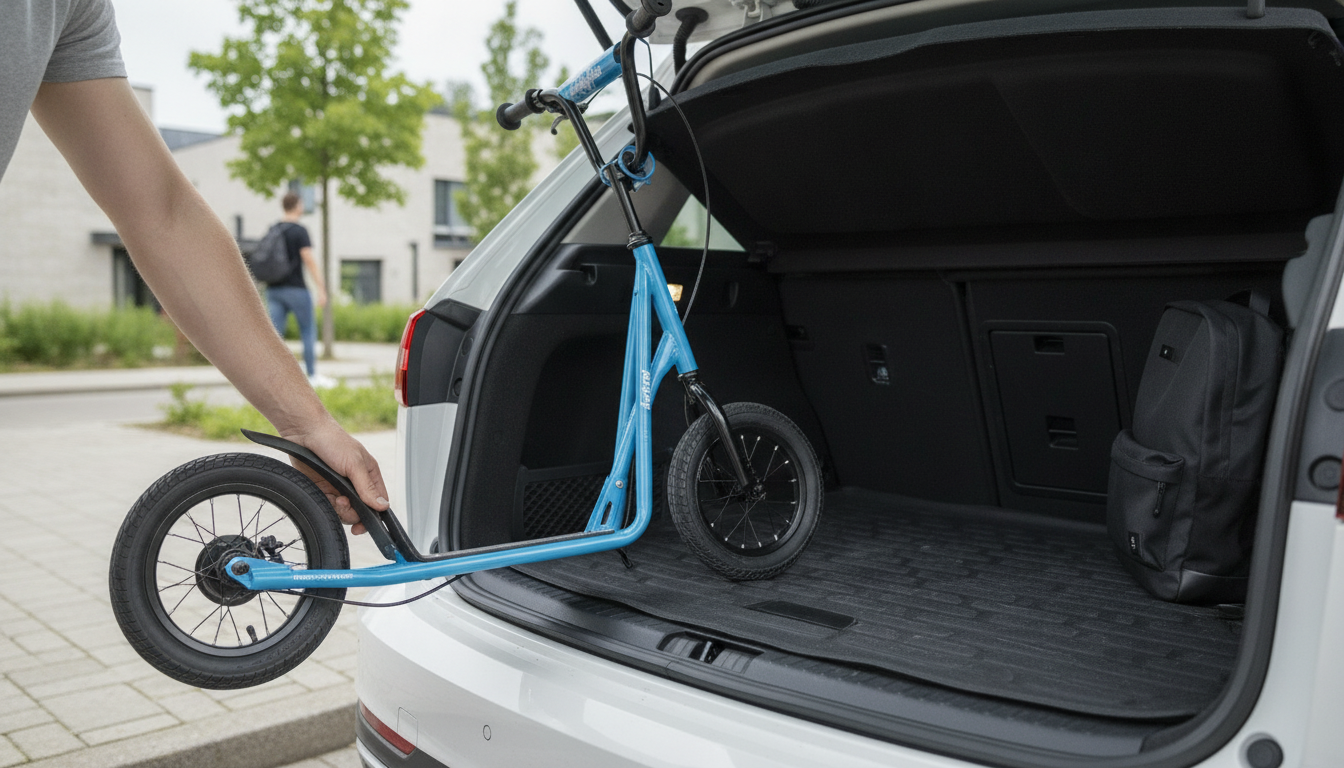
Is a kick scooter better than walking?
A kick scooter can be better than walking when the goal is to cover short-to-medium distances faster while still staying active. For a school run, a trip to the park, or getting around a neighborhood, scooting typically moves you along quicker than walking, with less time on your feet and less overall effort per mile.
That said, “better” depends on the rider and the route. Walking is simpler and works on any surface, while a scooter shines on smooth sidewalks and paths. A scooter is also easier to bring along than a bike in many situations—especially compact models that can be carried when needed.
Where a kick scooter tends to win
Speed and convenience: A few pushes can keep you gliding at a pace that outperforms a typical walk, which is useful for commuting short distances or keeping up with older kids.
Lower perceived effort: Because you alternate pushing and coasting, many riders find scooting feels easier than constant walking—especially on flat terrain.
Fun factor: Kids often choose scooting over walking because it feels like play, which can make it easier to get outside regularly.
Where walking is the better choice
Uneven terrain and crowded areas: Gravel, cracked sidewalks, grass, and busy sidewalks can make scooting frustrating or unsafe.
Long, uphill routes: Sustained hills can turn a scooter ride into a workout that may feel harder than walking.
Hands-free simplicity: Walking leaves both hands free and requires no gear, no storage plan, and no learning curve.
How to choose for a child or family use
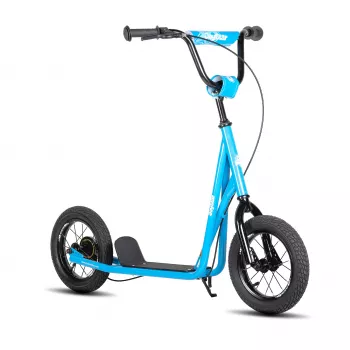
If the route is mostly smooth pavement and the rider can balance confidently, a kick scooter is often the more practical choice. Wheel size matters, too: larger wheels generally roll more smoothly over small cracks and bumps. For kid-focused guidance on fit, wheel size, and what to look for, see this 12-inch wheel kick scooter guide.
FAQ
What age is a kick scooter best for?
Many kids start on stable, kid-friendly scooters around ages 3–5, while older kids and teens can use larger models that prioritize speed and smoother rolling. The best age depends more on balance, coordination, and the scooter’s size than a strict number.









Leave a comment