Best 12-Inch Wheel Kick Scooter for Kids Ages 5–9
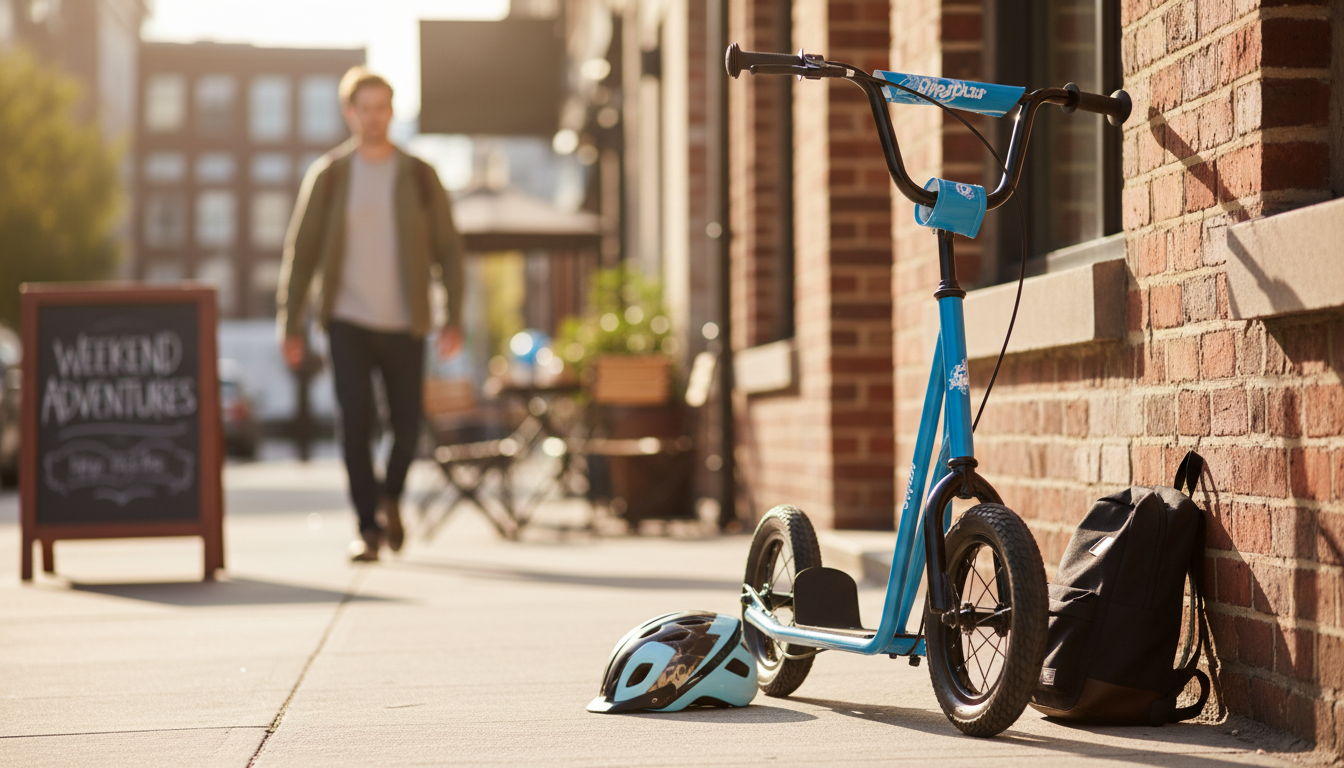
Smooth neighborhood rides start with the right scooter
A kid’s kick scooter should feel stable, roll smoothly, and fit growing riders without fuss. For ages 5–9, wheel size, deck space, braking control, and handlebar height make the difference between confident cruising and constant wobbling. A 12-inch-wheel kick scooter is a popular step-up choice because it bridges the gap between tiny “first scooters” and bigger, faster models—making everyday rides around sidewalks, cul-de-sacs, and park paths feel easier and more controlled.
Why 12″ wheels can be a big upgrade for ages 5–9
Bigger wheels change how a scooter behaves on real-world pavement. While smaller wheels can feel quick on smooth surfaces, 12-inch wheels tend to be more forgiving where kids actually ride—think sidewalk seams, driveway lips, and slightly rough paths.
- Smoother roll over everyday bumps: 12″ wheels handle small cracks and uneven patches more easily than smaller wheels, reducing sudden jolts.
- Less work to keep moving: Larger wheels typically maintain speed with fewer kicks, helping kids ride farther without getting tired as quickly.
- More stable at cruising speed: As kids pick up a little speed, bigger wheels can feel steadier, which helps newer riders relax and balance.
- More “growing room” in the frame: Many 12″ scooters pair the wheels with a slightly larger deck and frame—useful for longer legs and bigger shoes as kids grow.
For families who ride often, that smoother roll can also make practice more enjoyable. When a scooter glides consistently, kids spend less time recovering from wobbles and more time learning clean pushes, coasting, and safe braking.
Fit and sizing: getting the handlebar height right
A scooter can be perfectly built and still feel “off” if it doesn’t fit the rider. Handlebar height is the quickest way to improve control—especially for kids who are still mastering steering and stopping.
- Target range: With the child standing on the deck, handlebars should generally land between waist and belly-button height.
- Too low: Leads to hunching, shaky steering, and less leverage for turning.
- Too high: Can make braking and tight turns feel awkward and less predictable.
- Choose adjustability: An adjustable handlebar helps the scooter stay comfortable through growth spurts.
- Check pushing comfort: The supporting foot should sit flat on the deck while the pushing leg swings naturally—no overreaching needed.
Quick fit checklist for a comfortable ride
| What to check | Good sign | Why it matters |
|---|---|---|
| Handlebar height | Between waist and belly button | Better posture and steering control |
| Deck space | Both feet can rest without crowding | Easier balance and safer coasting |
| Grip comfort | Hands wrap fully around grips | Reduces slipping and hand fatigue |
| Brake reach | Brake works without overexertion | More predictable stopping |
Safety features that matter for everyday riding
For ages 5–9, safety isn’t just about protective gear—it’s also about a scooter that responds the same way every time. Consistency builds confidence, and confidence reduces panic-braking and sudden turns.
- Reliable rear braking: Look for a brake that engages consistently and is easy to press with sneakers.
- Deck traction: A grippy deck helps prevent foot slip during pushes, curb transitions, and quick slow-downs.
- Stable steering and solid clamps: A secure handlebar setup reduces wobble and keeps turning predictable.
- Visibility support: Bright colors and reflectors help near driveways and at dusk; reflective tape is an easy add-on.
- Protective gear basics: A properly fitted helmet is the priority; knee and elbow pads add reassurance for newer riders.
For additional guidance on helmets and wheeled-activity safety basics, review recommendations from the American Academy of Pediatrics and Safe Kids Worldwide. It’s also smart to stay aware of general safety notices and recalls via the U.S. Consumer Product Safety Commission.
Comfort and performance: what kids notice immediately
Kids may not describe “vibration dampening” or “weight distribution,” but they’ll absolutely react to how the scooter feels within the first few minutes.
Kick Scooter for Kids Ages 5–9 with 12″ Wheels: highlights to look for
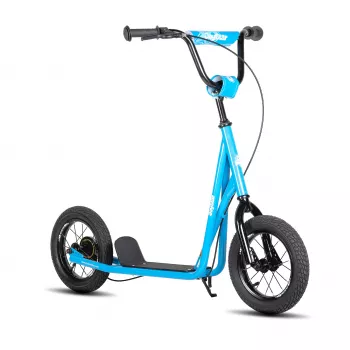
Consider the Kick Scooter for Kids Ages 5-9 with 12″ Wheels for a smoother neighborhood cruising feel, longer coasting, and steadier control as skills improve. Pair any new scooter with a quick pre-ride routine: tighten clamps, test brake response, and confirm handlebar height so the first ride feels comfortable and controlled.
To help keep riding routines consistent (helmet on, quick brake test, two-hands rule), some families like a simple daily checklist they can reuse. A digital resource like Mastering Your Day with Smart Habits and AI: Digital Guide, eBook, and Checklist for Self-Care, Productivity, and Daily Routine Optimization can be adapted into a family “before we ride” habit—especially helpful when multiple kids share the same scooter.
Setup and maintenance for a safer, longer-lasting scooter
FAQ
Are 12-inch wheels too big for a 5-year-old on a kick scooter?
Not necessarily. 12-inch wheels can improve stability and roll more smoothly over cracks, but the scooter still needs to fit the child’s height and reach; check handlebar height, comfortable stance on the deck, and easy brake control before committing.
What handlebar height is best for kids ages 5–9?
Aim for handlebars that land between waist and belly-button height when the child is standing on the deck. An adjustable handlebar is especially helpful to keep posture and control comfortable as kids grow.
What safety gear should kids wear on a kick scooter?
A properly fitted helmet is the essential first step. Knee and elbow pads can add confidence for new riders, and closed-toe shoes help with traction and braking control.









Leave a comment