Tadpole Frog Lure Tactics for Pads, Mats, and Grass
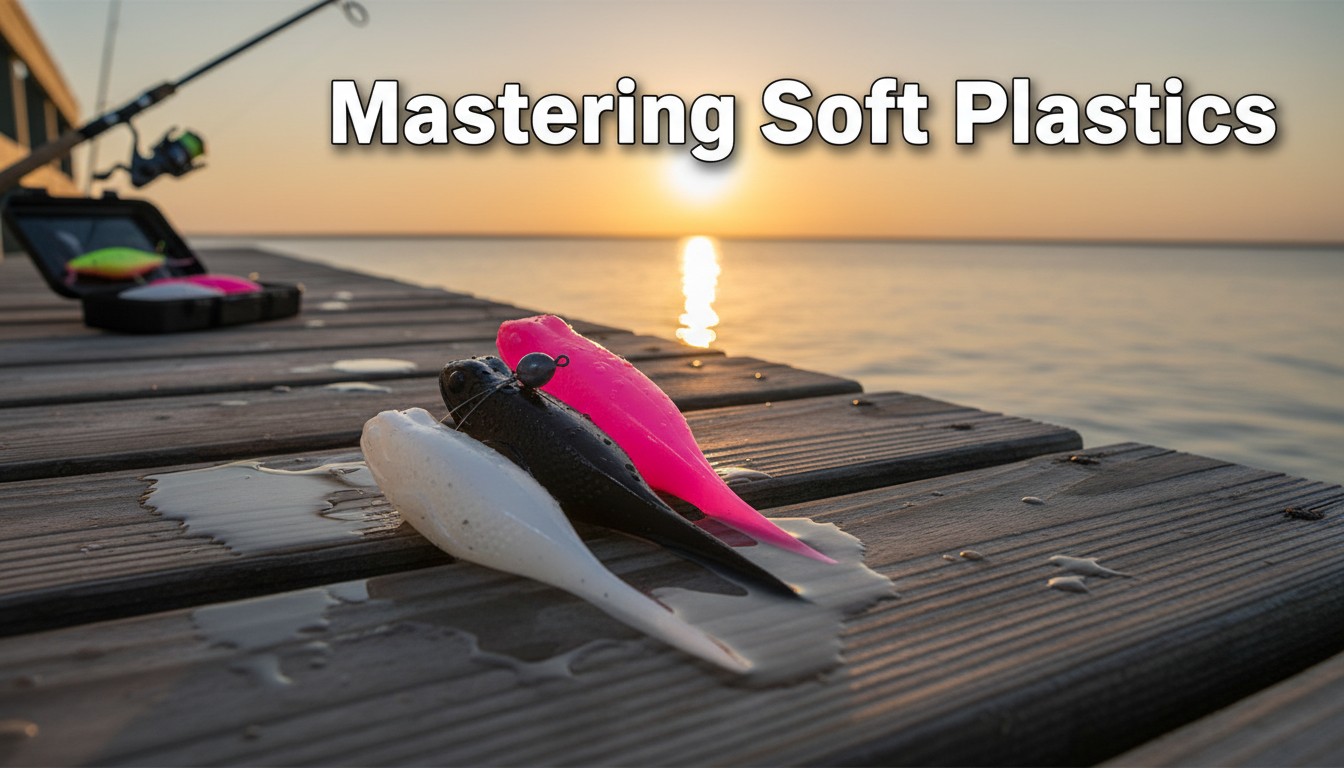
Tadpole Frog Fishing Lure: Topwater Strikes in Pads, Grass, and Shallow Cover
A tadpole-style frog lure is built for fishing where many hard baits fail—thick weeds, lily pads, flooded grass, and tight banks. Its compact profile skims and slithers over cover, calling fish up with surface commotion that often triggers explosive strikes. When bass (and other ambush predators) are tucked under a canopy of vegetation, a small “tadpole” silhouette can look like an easy, high-calorie meal drifting overhead.
What Makes a Tadpole-Style Frog Lure Different
A tadpole frog is all about efficiency in shallow, messy water. Instead of diving, snagging, or fouling in grass, it’s designed to travel across the top and stay in the strike zone longer.
- Compact “tadpole” body that looks natural around shallow cover, edges, and spawning flats.
- Topwater-first design for fish that ambush upward through vegetation.
- Simple cadence options—short twitches, steady pulls, or stop-and-go—to mimic a struggling amphibian.
- Best when fish are shallow or holding under mats, pads, and shoreline shade.
Because the profile is smaller and more “bite-sized,” it can be a strong choice when fish are curious but not fully committing to larger frogs.
When to Throw It: Conditions That Trigger Topwater Bites
Topwater is as much about timing as it is about location. A tadpole frog shines when fish feel comfortable tracking prey on the surface and exploding through cover.
- Low light windows: dawn, dusk, overcast days, and windy chop that breaks up the surface.
- Warm water periods when fish patrol shallow cover aggressively.
- After a cold front: tighten the action—slower pauses and shorter twitches can still pull reaction strikes in protected pockets.
- Pressured water: a smaller tadpole profile often looks less intrusive than oversized frogs.
- Visible forage: frogs, tadpoles, and small baitfish flicking in the shallows.
If you’re unsure, start with low light and visible vegetation. Those two factors alone create consistent “looking up” behavior.
Where It Shines: Target Zones That Produce
Think of a tadpole frog as a tool for “high-percentage cover.” The goal is to put it where fish can pin prey against shade, stems, or a mat ceiling.
- Lily pad fields: work lanes, pad edges, and isolated clumps that act like single “rooms” for a fish.
- Matted grass: crawl it across the mat and pause at openings like holes, seams, and thinner spots.
- Reeds and cattails: cast parallel and keep it tight to the stems to mimic a real amphibian traveling the edge.
- Docks and overhangs: skip or pitch to shade lines and let it sit before moving.
- Creek mouths and pockets: focus on corners and little indentations where water movement funnels food.
A good rule: fish transitions first—inside turns, mixed vegetation, and isolated patches—then expand to bigger stretches if you’re getting followers or short strikes.
How to Retrieve: Cadences That Get Commitment
Cadence changes are often what convert a “swirl and miss” into a clean eat. Rotate retrieves based on the cover type and how aggressive the fish feel.
- Walk and pause: rhythmic twitches with short slack, then a 1–3 second pause near holes in the cover.
- Slow crawl: a steady pull that pushes a subtle wake—especially effective over mats where fish track by vibration.
- Pop and stall: sharper snaps to spit water in open pockets, then a dead-stop to let fish locate it.
- Edge run: retrieve along the outside line of grass/pads, then turn it back into cover to trigger followers.
- Pause after the blowup: wait a brief beat before setting the hook to improve hookups on topwater strikes.
That last point is the difference-maker. Many misses happen because the lure gets yanked away before the fish fully closes its mouth and turns down.
Tackle Setup for Frog Fishing (Simple and Reliable)
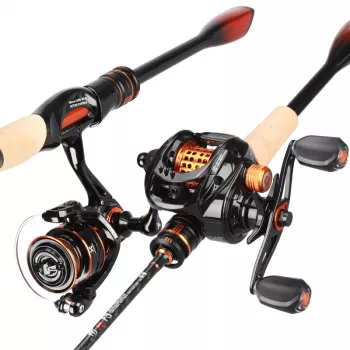
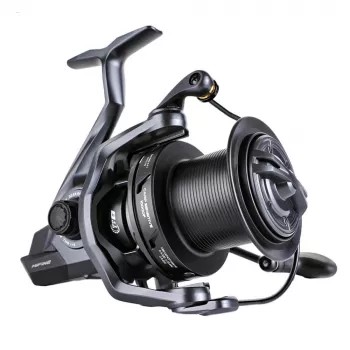
Frog fishing is a power game: you’re asking a fish to bite in the nastiest cover available, then you’re pulling it out before it wraps you up. Keep your setup straightforward and strong.
| Cover Type | Rod | Line Choice | Retrieve Style |
|---|---|---|---|
| Sparse weeds / open pockets | MH fast | Braid or strong mono | Walk/pause, pop/stall |
| Lily pads | MH–H fast | Braid | Edge run, walk/pause |
| Matted grass / heavy slop | H fast | Braid (heavier) | Slow crawl, long pauses at holes |
| Docks / shade lines | MH fast | Braid or fluoro leader setup if needed | Skip, dead-stick, short twitches |
Common Mistakes That Cost Fish (and Easy Fixes)
Product Snapshot: Tadpole Frog Fishing Lure
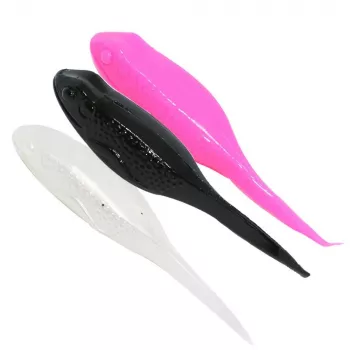
If you want a simple, budget-friendly way to get into frog fishing, the Tadpole Frog Fishing Lure is an easy addition to a pond or bank bag. It’s a practical choice for learning cadence, dialing in the “pause after the blowup,” and covering vegetation without constantly hanging up.
Optional add-ons (in stock)
- Using AI for Research & Data Summaries — Digital Download
- Mastering Your Day with Smart Habits and AI — Digital Guide
Learn More (Trusted Resources)
For broader fishing fundamentals and conservation-backed programs that support angling access and habitat, these are useful references: Take Me Fishing — Fishing tips and basics and the U.S. Fish & Wildlife Service — Sport Fish Restoration.
FAQ
Do frog lures work in open water?
They can, especially early or late in the day or around shade, but they’re most consistent around cover lines, vegetation edges, and shallow ambush zones where fish can strike upward.
What’s the best way to set the hook on a frog strike?
Pause briefly after the blowup, feel the fish’s weight, then make a firm upward sweep while reeling to remove slack. Keep steady pressure so the fish can’t bury into the grass.
What line works best for frog fishing in weeds?
Braid is commonly chosen because it cuts through vegetation and helps deliver solid hooksets. As cover gets thicker, anglers usually step up to stronger braid to keep fish moving.







Leave a comment