Smooth Tripod Moves: Heavy-Duty Manfrotto-Plate Fluid Head

Smooth Movement Starts with a Stable, Predictable Head
Smooth pans and controlled tilts depend on a head that stays stable under load, balances predictably, and locks down without drift. A heavy duty fluid video head with a Manfrotto-style quick release plate is built for video tripods that need repeatable movement, fast camera changes, and reliable leveling for interviews, events, and run-and-gun work. If you’ve ever fought “stiction” at the start of a pan or watched a locked shot slowly creep, a properly damped video head is one of the fastest upgrades you can make. For more guidance, see Review: Manfrotto 547B Tripod and 701HDV Head Combo.
What a Fluid Video Head Changes in Real Shooting
A fluid head is designed to make movement look intentional. Instead of fighting the head, you’re guiding it—especially when tracking a subject, reframing mid-interview, or doing slow establishing moves. For further reading, see Miscellaneous Camera Accessories.
- Fluid damping smooths starts and stops so pans and tilts look deliberate instead of jerky.
- Separate pan and tilt controls help dial resistance to match lens length and camera weight.
- A long handle improves leverage for slow moves and makes micro-adjustments easier.
- A quick release plate speeds up switching between tripod, slider, monopod, and handheld rigs.
For a deeper overview of how different head types behave, B&H’s guide is a helpful reference: Tripod Heads (Video vs Photo basics).
Key Parts and Why They Matter
Video heads seem simple, but the details determine whether your footage feels controlled or “almost right.” These are the parts that have the biggest impact on day-to-day results:
- Quick release plate and clamp: Determines how fast the camera mounts and whether it can slide fore/aft for balance.
- Pan base: Supports horizontal rotation; a smoother base helps maintain consistent speed during pans.
- Tilt mechanism: Controls vertical movement; good damping reduces bounce-back when you stop.
- Locks: Should hold position without creeping, especially during static interview frames.
- Bubble level / leveling support (if present): Speeds up horizon alignment for architectural lines and multi-camera setups.
Manfrotto Quick Release Compatibility: What to Check
“Manfrotto-style” is often used as shorthand, but Manfrotto has multiple quick release plate families. Before buying, confirm your plate and clamp are truly a match—especially if you’re mixing brands or reusing plates across several support tools.
- Confirm the plate style matches the clamp on the head and the plate you already own (Manfrotto has multiple plate families).
- Check camera screw options (commonly 1/4″-20; some plates include 3/8″ adapters).
- Look for fore-aft sliding travel on the plate to balance front-heavy rigs (long lenses, matte boxes, batteries).
- If mixing brands, verify whether the clamp is truly compatible with your existing Manfrotto-style plates or requires a matching plate.
- If using a cage, confirm the plate has anti-twist features or add a pin/stop to prevent rotation under torque.
Manfrotto’s own support resources can also help when identifying plate families and matching components: Manfrotto Support.
Compatibility checklist for a Manfrotto-style quick release
| Item to verify | Why it matters | What to look for |
|---|---|---|
| Plate family | Prevents fit issues | Same plate type as your existing Manfrotto-style plates |
| Screw size | Ensures secure mount | 1/4″-20 (common); 3/8″ adapter if needed |
| Sliding range | Helps balance the rig | Plate can slide forward/back in the clamp |
| Anti-twist support | Reduces camera rotation | Rubber pads, pins, or flange that resists twisting |
| Tripod connection | Matches your legs/bowl | Flat base thread or bowl size supported by your tripod |
Setup Steps for Stable Pans, Tilts, and Locked-Off Shots
Even a great head won’t feel right if the rig isn’t balanced and leveled. This quick routine helps you get repeatable movement and reliable lock-offs.
Choosing the Right Head for Your Camera Weight and Lens Length
At-a-Glance Spec and Fit Guide
| Check | Target | Notes |
|---|---|---|
| Plate/clamp style | Manfrotto-style match | Match your existing plate family |
| Mounting screw | 1/4″-20 (typical) | Adapter may be needed for 3/8″ setups |
| Balance adjustment | Sliding plate | Helps front-heavy lenses and cages |
| Tripod interface | Fits your legs | Flat base thread or bowl compatibility |
Product Options In Stock
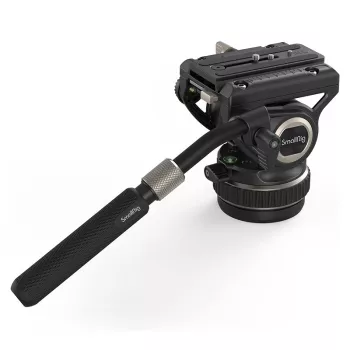
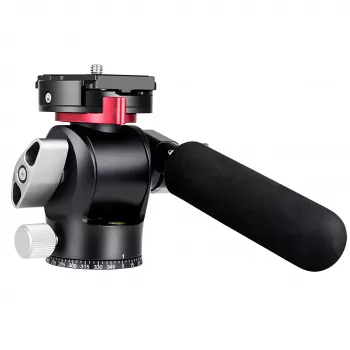
- Heavy Duty Fluid Video Head with Quick Release Plate for Manfrotto — designed for stable support and smooth movement with fast camera changes; a strong fit for creators who want a Manfrotto-style quick release workflow.
- Using AI for Research & Data Summaries — Digital Download — useful for planning shot lists, summarizing client notes, and organizing production research.
- Mastering Your Day with Smart Habits and AI — Digital Guide — a practical option for building consistent pre-shoot checklists and post-shoot workflows.
Care and Long-Term Reliability
FAQ
Will a Manfrotto plate fit this quick release?
Manfrotto uses multiple plate families, so compatibility depends on matching the specific plate/clamp style. Confirm the plate type, that it locks securely, and that you still have enough sliding travel to balance your rig.
How does a fluid head differ from a photo ball head for video?
A fluid head is built for controlled damping in pan and tilt, which makes starts, stops, and speed changes look smooth and repeatable. Ball heads can “jump” during framing and may sag slightly when tightened, which is frustrating for precise video work.
How do you stop a camera from tipping forward on a video head?
Balance the rig by loosening tilt slightly and sliding the plate forward or backward until the camera doesn’t want to fall in either direction. Then increase tilt drag to taste and confirm the tilt lock holds without drift.








Leave a comment