Pet First Aid Cheat Sheet: Printable Emergency Steps
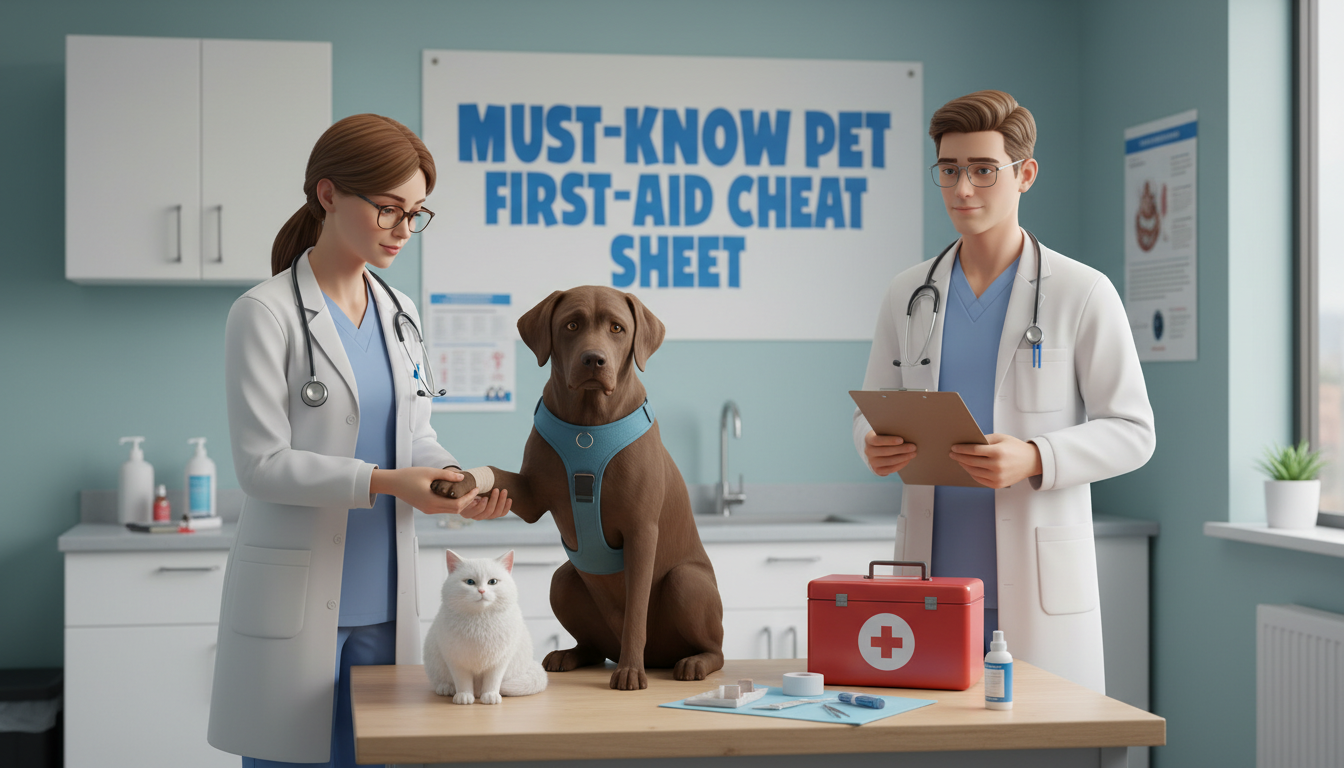
Must-Know Pet First-Aid Cheat Sheet: Emergency Printable Guide and Vet Tips for Pet Owners
Emergencies can unfold in seconds—choking, bleeding, heatstroke, poisoning, or sudden collapse. A calm plan and a simple, printable reference can help you act quickly, avoid common mistakes, and get to veterinary care faster. The steps below focus on practical first aid for dogs and cats, clear “stop and go” signals, and how to build a grab-and-go kit you can reach under stress.
The first 60 seconds: stay safe, assess, and call
Before touching your pet, scan for danger: traffic, smoke, electrical cords, spilled chemicals, or other animals. Pain can make even gentle pets bite, so use a barrier if needed—a leash, towel, blanket, or carrier. A muzzle can help only if your pet is conscious and not vomiting or struggling to breathe.
Do a rapid check: Is your pet breathing? Responsive? Bleeding heavily? Do you suspect poisoning? Is there an obvious fracture or an abnormal limb angle? If any of those are present, call your veterinarian or an emergency clinic immediately and start heading in while you listen to instructions. Share your pet’s weight, what happened, current symptoms, and any medications or toxins involved.
Breathing problems and choking: what to do (and what not to do)
Airway trouble is time-critical. Watch for gagging, pawing at the mouth, blue or pale gums, noisy breathing, panic, or collapse. If it’s safe, gently open the mouth and look for a visible object. Remove it only if it’s easy to grasp; never push deeper and never do a blind “finger sweep” in a tight mouth.
If your pet is fighting to breathe, prioritize transport while calling the emergency clinic. Avoid offering food, water, or oral medications during active choking or labored breathing—these can worsen obstruction or lead to aspiration.
Severe bleeding and wounds: control blood loss fast
Emergency quick actions by symptom
| Situation | Immediate steps | Avoid | Go to vet now if… |
|---|---|---|---|
| Choking / trouble breathing | Check mouth only if safe; remove visible object; keep calm; transport while calling | Finger sweeps in a tight mouth; forcing water/food; delaying care | Blue/pale gums, collapse, persistent distress, unable to inhale |
| Heavy bleeding | Direct pressure; add layers; pressure bandage; keep pet warm | Removing soaked pads; powders not labeled for pets | Spurting blood, large wound, bleeding >10 minutes |
| Suspected poisoning | Remove access; keep packaging; call vet/poison hotline; transport | Inducing vomiting without instruction; home “antidotes” | Tremors, seizures, collapse, ingestion of unknown toxin |
| Heatstroke | Move to shade/AC; offer small sips if alert; cool with lukewarm water; fan | Ice baths; forcing water; delaying vet visit | Vomiting, collapse, rectal temp remains high, altered mentation |
| Seizure | Keep away from stairs; time it; dim lights; protect head with padding | Putting hands near mouth; restraining tightly | Seizure >5 minutes, repeats, or recovery is delayed |
Poisoning: fastest path to the right help
If a chemical is on the fur or paws, prevent licking and rinse with lukewarm water unless a veterinary professional advises otherwise. Save labels, wrappers, and note the time and estimated amount. Do not induce vomiting unless instructed—some substances cause more damage coming back up. For additional guidance, consult ASPCA Animal Poison Control and then follow the directions of your veterinarian or emergency clinic.
Heat and cold emergencies: stabilize during transport
Cold exposure can cause hypothermia—shivering, weakness, cold ears/paws, and slow breathing. Warm with blankets and warm (not hot) water bottles wrapped in cloth. All suspected heatstroke or hypothermia cases need veterinary evaluation, even if your pet perks up. See practical background details via the Merck Veterinary Manual overview of heatstroke in dogs.
Seizures and collapse: protect, time, and prepare to leave
Collapse can signal a heart problem, airway crisis, toxin exposure, internal bleeding, or a metabolic emergency. Treat it as urgent and transport immediately. If possible, call ahead so the team can be ready on arrival. For more general first-aid reminders from a veterinary authority, review the AVMA first aid tips for pet owners.
Fractures, sprains, and spinal concerns: limit movement
Build a grab-and-go pet first-aid kit (home and car)
Printable cheat sheet: where to keep it and how to use it under stress
If you want a ready-to-print layout with quick steps, contacts, and transport reminders, keep a copy of Must-Know Pet First-Aid Cheat Sheet (Printable Emergency Guide) with your kit.
A ready reference for real emergencies
A concise, printable layout makes it easier to act when seconds matter. Consider pairing emergency planning with a simple routine system for keeping contact info and supplies current; a small monthly reminder can prevent last-minute scrambling. If you like checklists for staying on top of recurring tasks, Mastering Your Day with Smart Habits and AI: Digital Guide, eBook, and Checklist can help you schedule those quick kit and paperwork check-ins.
FAQ
What should be in a pet first-aid kit for dogs and cats?
Include gauze pads/rolls, nonstick pads, vet wrap, medical tape, blunt-tip scissors, tweezers, saline rinse, a digital thermometer, and gloves, plus a blanket or carrier for transport. Add emergency phone numbers, microchip ID, a medication list, allergies, and a current photo.
Should vomiting be induced if a pet eats something toxic?
No—call a veterinarian or a pet poison resource first. Inducing vomiting can be dangerous with certain substances (or if your pet is weak, choking, or not fully alert), and the safest plan depends on what was ingested and when.
When is an emergency vet visit necessary after first aid?
Go immediately for breathing difficulty, uncontrolled bleeding, collapse, seizures lasting over five minutes or repeating, suspected poisoning, heatstroke, pale/blue gums, severe pain, or suspected fractures/spinal injury. If you’re unsure, call an emergency clinic while you prepare to leave.











Leave a comment