Large Kids Toy Organizer: Bins, Cubbies & Cabinets
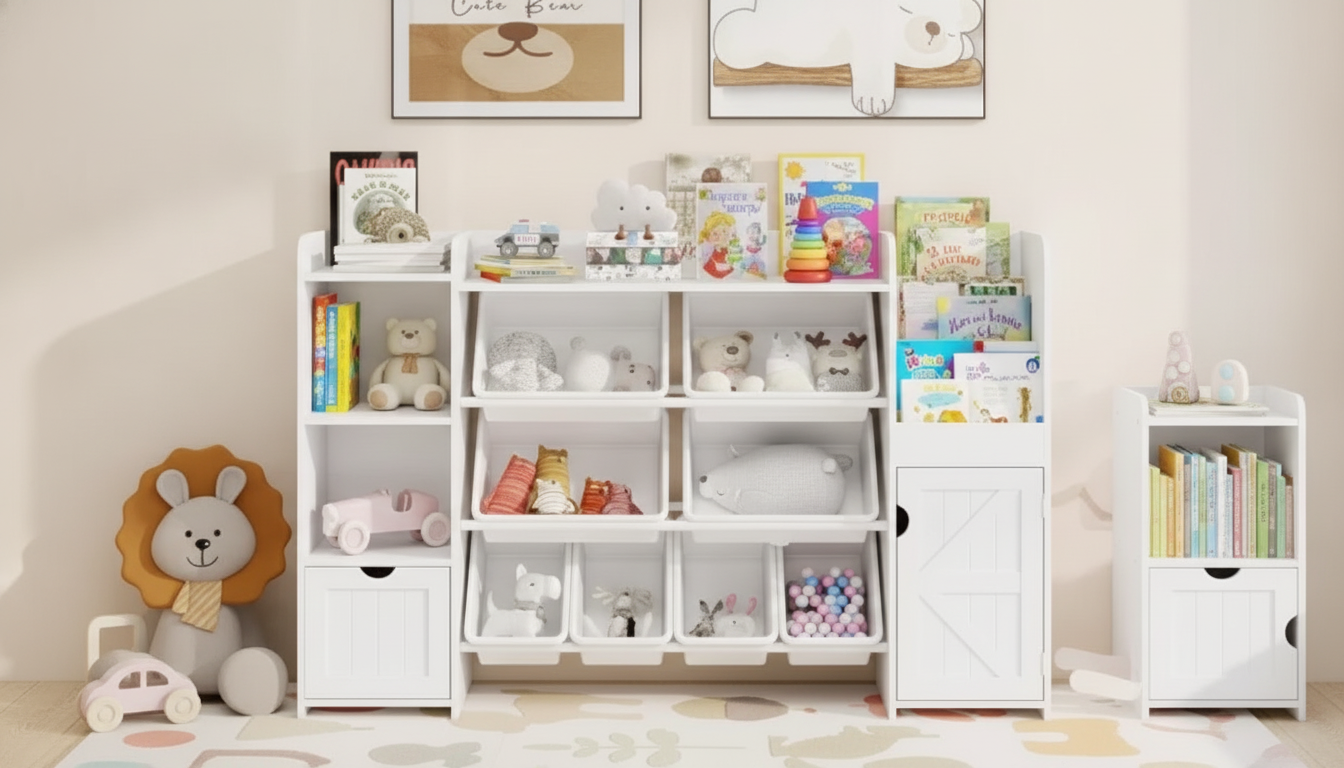
Large Kids Toy Organizer with Storage Bins, Bookshelf Cubbies & Cabinets: A Clean-Up System That Grows with Your Child
A well-designed toy organizer can turn daily clean-up into a simple routine while keeping books, games, and crafts easy to find. A mixed layout—open bins for quick toss-in storage, cubbies for sorting and display, plus closed cabinets for bulky or messy items—helps bedrooms and playrooms feel calmer, more usable, and easier to reset at the end of the day.
What this organizer solves in real life
- Reduces floor clutter by giving toys a clear “home” by category
- Makes clean-up faster with open bins and reachable cubbies
- Encourages independent tidying by keeping storage at kid-friendly height
- Protects calmer spaces by hiding visual clutter behind cabinet doors
- Creates a single station for books, toys, and art supplies instead of multiple scattered shelves
Storage layout: bins, bookshelf space, cubbies, and cabinets
The most effective kid storage isn’t one-size-fits-all. Different toy types behave differently—loose pieces need fast drop zones, books need visibility, and certain items are better off behind closed doors.
- Bins handle high-rotation toys (blocks, cars, dolls, pretend food) with quick drop-in access.
- Bookshelf-style shelves keep story time favorites upright and visible, which makes it easier for kids to choose (and return) books.
- Cubbies work well for baskets, puzzles, board games, and “sets” that should stay together.
- Cabinets are ideal for overflow, fragile items, messy supplies, or parent-only storage (batteries, glue, small parts).
- A mixed layout supports both everyday use and long-term organization as toy collections change.
Room placement ideas that keep mess contained
- Playroom wall: Create a single “toy zone” so the rest of the room stays open for building, pretend play, and movement.
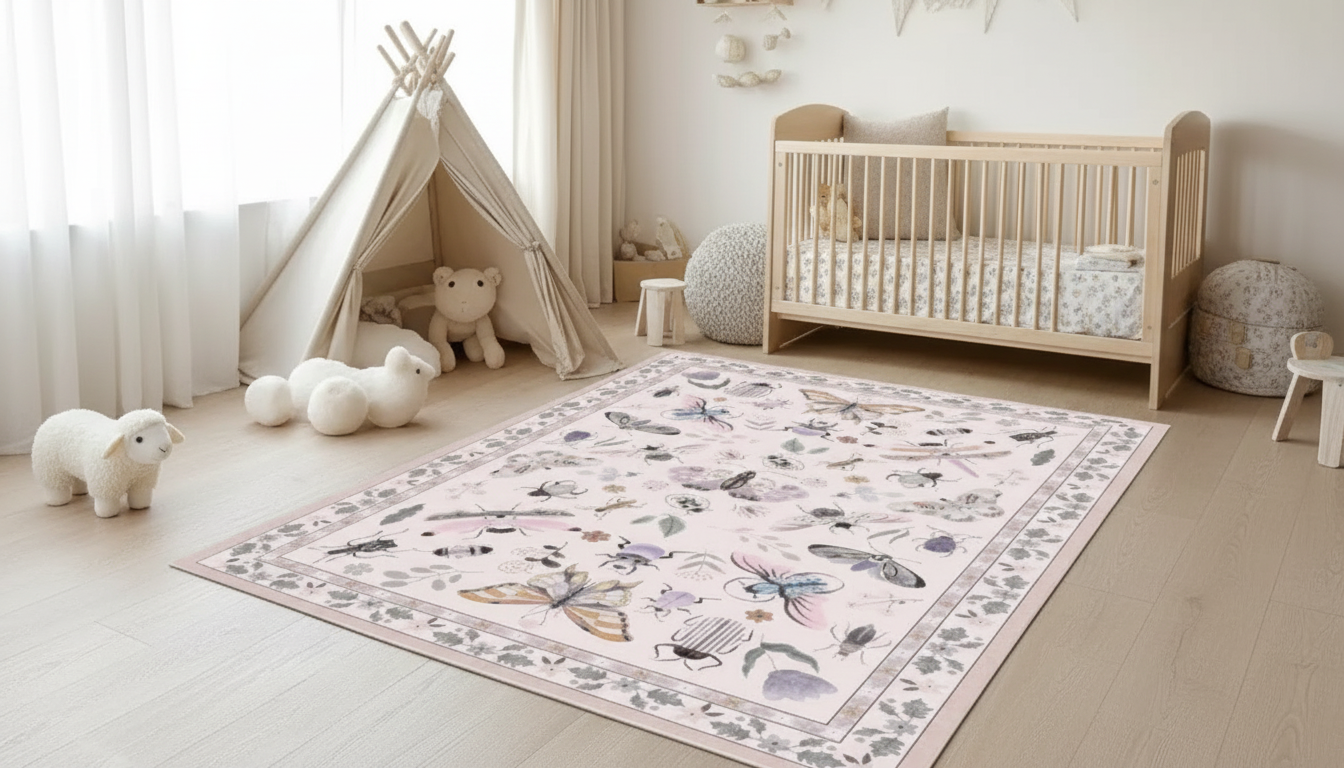
- Bedroom corner: Pair the unit with a small reading rug to turn the bookshelf area into a mini reading nook.
- Shared spaces: Use cabinets to hide mixed-age toys while keeping bins labeled for daily rotation.
- Near the entry to a play area: Encourages a quick drop-off clean-up before transitions (meals, bedtime).
- Practical clearance: Avoid blocking vents and ensure doors/cabinets can open fully without hitting furniture.
A simple sorting system that kids can follow
A toy organizer works best when the system is easy enough for kids to run it themselves. The goal is fewer decisions, clearer categories, and a predictable reset routine.
- Start with 5–8 categories max (blocks, dolls, vehicles, art, pretend play, puzzles, plush, “favorites”).
- Use picture labels for pre-readers and word labels for older kids.
- Keep “daily toys” in the most reachable bins and cubbies; store “sometimes toys” behind cabinet doors.
- Use one bin as a weekly reset bin for stray pieces, then sort it on a set day.
- Keep small-piece sets in zip pouches or lidded containers inside a cubby to prevent mixing.
Choosing the right organizer size and features
Quick matching guide: toy types to storage zones
| Toy / Item Type | Best Storage Zone | Why It Works | Tip to Keep It Tidy |
|---|---|---|---|
| Blocks, cars, figurines | Open bins | Fast access and fast clean-up | Limit each bin to one category |
| Picture books, early readers | Bookshelf shelves | Spines/covers stay visible | Rotate weekly to reduce overcrowding |
| Puzzles, board games | Cubbies | Flat storage, easy stacking | Store vertically in magazine files if space is tight |
| Art supplies, slime, messy kits | Cabinets | Hides clutter and protects surfaces | Use a tray or bin inside to prevent spills |
| Seasonal/overflow toys | Cabinets or top cubbies | Out of the daily path | Do a monthly donation/rotation check |
Safety and setup basics
- Anchor to the wall when possible, especially in rooms where children climb or pull. For tip-over prevention guidance, review recommendations from the U.S. Consumer Product Safety Commission (CPSC).
- Keep heavier items in lower bins/cubbies to reduce tipping risk.
- Avoid storing small choking-hazard parts where toddlers can reach; the American Academy of Pediatrics’ toy safety guidance is a helpful reference for age-appropriate storage decisions.
- Check edges and hardware regularly; tighten as needed.
- During assembly, sort hardware by step and verify each section is square before final tightening.
Featured option: Large Kids Toy Organizer with Storage Bins, Bookshelf Cubbies & Cabinets
If the goal is one primary storage piece that can handle most of what shows up in a kid space, Large Kids Toy Organizer with Storage Bins, Bookshelf Cubbies & Cabinets is built around that “all-in-one station” idea.
Helpful add-on for building consistent clean-up routines
Once the storage zones are set, consistency is what keeps them working. For households that like a repeatable checklist approach (especially during busy weeks), Mastering Your Day with Smart Habits and AI: Digital Guide, eBook, and Checklist for Self-Care, Productivity, and Daily Routine Optimization can support a simple, scheduled “reset” habit so toys don’t slowly drift back onto the floor.
FAQ
What should go in bins vs cubbies vs cabinets?
Use bins for loose daily toys, cubbies for puzzles, games, and contained sets, and cabinets for overflow or messy supplies. Keep heavier items low, and rotate favorites so the most-used toys stay easiest to reach.
How do you keep a toy organizer from turning into a junk shelf?
Keep categories limited, label each zone, and cap how much goes in each bin so it can actually be put away. A weekly reset bin for stray pieces also helps prevent “miscellaneous” piles from taking over.
Is a toy organizer with cabinets better than open shelves only?
Cabinets help reduce visual clutter, protect messy supplies, and create a calmer-looking room—especially in shared spaces. Open zones still matter for kid-led clean-up, so a mixed layout often feels easier to maintain.






Leave a comment