Multi-Level Cat Tree Towers: Sturdy Vertical Space
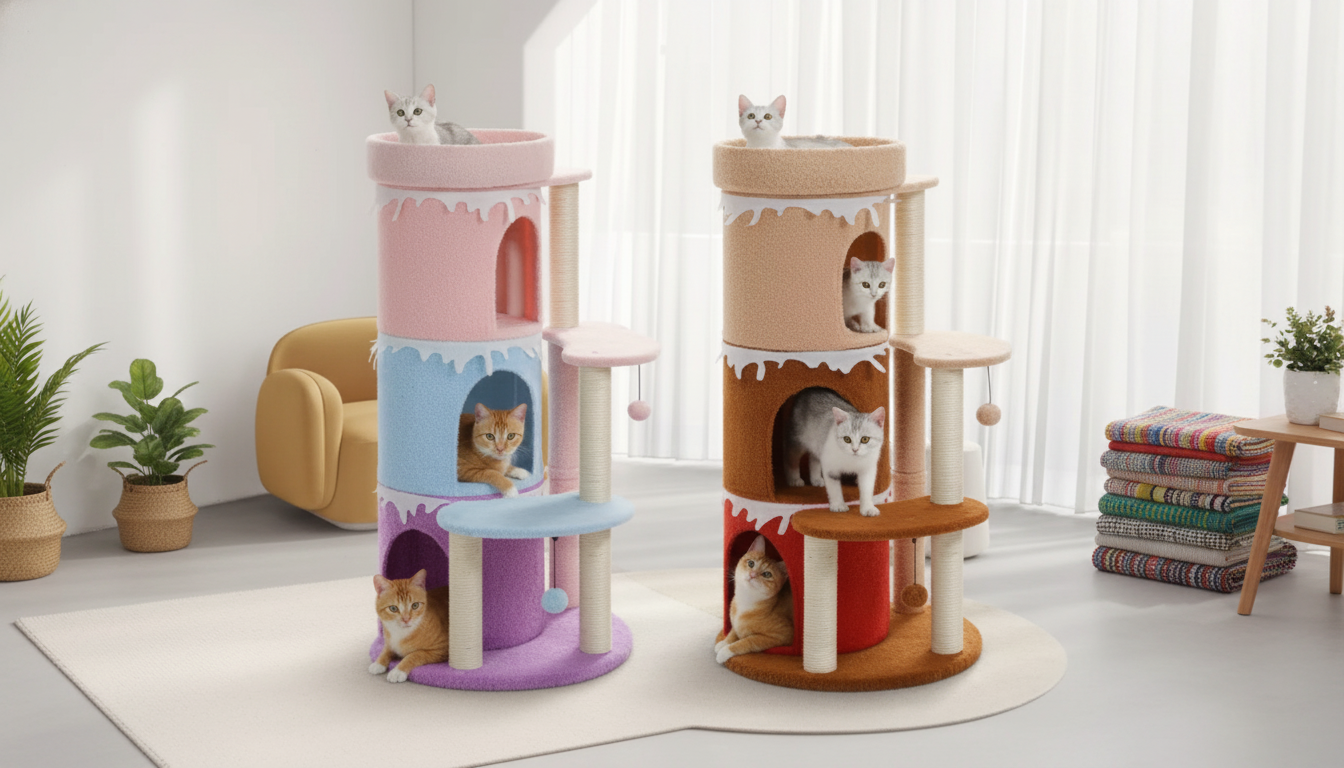
Multi-Level Indoor Cat Tree Towers: A Vertical Home Base for Climbing, Scratching, and Napping
A multi-level indoor cat tree tower turns unused vertical space into a daily routine of climbing, perching, scratching, and resting. The right tower can reduce furniture scratching, add safe exercise, and give cats a predictable “home base” that supports calmer behavior—especially in multi-cat homes or smaller apartments.
Why a multi-level tower works for indoor cats
Indoor cats still carry the same instincts they’d use outdoors: get to a higher vantage point, keep a safe distance from threats, and leave scent marks through scratching. A multi-level tower concentrates those needs into one familiar spot.
- Supports natural behaviors: climbing, observing, hiding, and scratching—without sacrificing your shelves or sofa arms.
- Creates vertical territory: height offers “separate zones,” which can reduce tension when multiple cats share the same rooms.
- Adds movement opportunities: frequent short climbs and jumps help burn energy and can support weight management.
- Provides consistent resting spots: elevated platforms tend to feel safer and are often away from foot traffic (and away from curious dogs).
Feline enrichment is more than toys on the floor; it’s also structure, routine, and choice. For deeper guidance on creating a cat-friendly environment, the American Association of Feline Practitioners (AAFP) environmental needs guidelines and the ASPCA’s cat care resources are solid references.
What to look for in a sturdy cat tree tower
A tower can look plush and impressive but still feel shaky or awkward to climb. Prioritize confidence-building design—cats notice the difference immediately.
- Stable base: a wider footprint and heavier bottom reduce tipping when a cat launches upward.
- Solid posts: thicker vertical supports help the structure feel “grounded,” especially for larger cats.
- Scratch zones: sisal-wrapped posts or durable scratch panels should be positioned where cats naturally stretch—often near the first step up.
- Comfort surfaces: soft fabric matters, but easy-to-clean materials matter more once shedding season hits.
- Perch layout: staggered platforms should match a cat’s mobility; big leaps are exciting for some cats and intimidating for others.
- Multi-cat usability: more than one perch and at least two “routes” up and down helps prevent standoffs in narrow bottlenecks.
Sizing and placement inside the home
Cat trees earn their keep when they’re placed where your cat already wants to be. Before choosing a model, measure your available floor area and check ceiling height so the tower feels proportional (and so you can safely assemble it).
- Measure first: confirm both the footprint and the tower’s height fit the room without crowding walkways.
- Try a window-adjacent spot: a view of birds, people, and sunlight turns a perch into a daily destination.
- Leave a buffer zone: keep a small gap from fragile décor or shelves so “zoomies” don’t become a home-renovation project.
- Avoid HVAC vents: direct hot/cold airflow can make a favorite platform uncomfortable and reduce use.
- Match the cat’s personality: timid cats often settle faster in a quieter corner; social cats may prefer a living room location for “hangout height.”
Safety and stability checklist
Once a tower becomes part of a cat’s routine, it gets used hard—jumped on, scratched, and sometimes launched from at full speed. A quick maintenance rhythm keeps it safe.
- Check for wobble after assembly: retighten hardware after 7–10 days of use as bolts settle.
- Skip strong chemical odors: choose materials that don’t smell harsh; air out new items in a ventilated area.
- Anchor tall towers when possible: wall anchoring can be a smart upgrade for athletic cats or homes with kids running past.
- Inspect plush edges and seams: trim loose threads early to reduce chewing or snag risks.
- Monitor dangling toys: ribbons, strings, and long attachments should be supervised to prevent tangles.
Quick comparison: how levels and features change daily use
| Feature | Best for | What to check |
|---|---|---|
| Tall top perch | Cats that like to observe and nap up high | Wide platform, lip/bolster, stable base |
| Multiple mid-level steps | Kittens, seniors, cautious jumpers | Short gaps between platforms, non-slip fabric |
| Sisal scratch posts | Redirecting scratching away from furniture | Post thickness, tight wrap, placement at “traffic areas” |
| Cubby/hideaway | Shy cats, multi-cat stress reduction | Ventilation, easy access, washable cushion |
| Hanging toy/interactive element | Play-driven cats and solo enrichment | Secure attachment, safe length, supervised use |
Getting cats to use a new tower (without a struggle)
Care, cleaning, and keeping it looking new
Product spotlight: Multi-Level Indoor Cat Tree Tower
If you’re building a cat-friendly vertical “home base,” the Multi-Level Indoor Cat Tree Tower is designed as an indoor hub for perching, climbing, scratching, and downtime. It’s a practical way to add territory without taking over the room’s floor space.
If you’re also refining a shared family space where pets and people naturally gather, The Cozy Corner That Changes Mornings: Ultimate Breakfast Nook with Banquette Seating Guide can help with layout ideas—useful when you’re deciding where a cat tower can live without disrupting daily traffic patterns.
FAQ
How tall should a multi-level cat tree tower be for an indoor cat?
Choose a height that fits your room and matches your cat’s mobility and confidence. A stable tower with well-spaced steps matters more than maximum height, and placing it near a window can make the top perch more appealing.
Is a multi-level tower safe for kittens or senior cats?
Yes, when the layout has shorter gaps between platforms, wide steps, and non-slip surfaces. Supervise early use, and prioritize a sturdy base (and anchoring for taller towers) so climbing feels secure.
How do you stop a cat tree from wobbling?
Retighten all bolts, confirm the base sits level on a firm surface, and recheck hardware after a week of use. For taller units or high-energy cats, wall anchoring can significantly reduce sway.









Leave a comment