Moissanite Wedding Ring Sets: Sparkle Meets Daily Wear
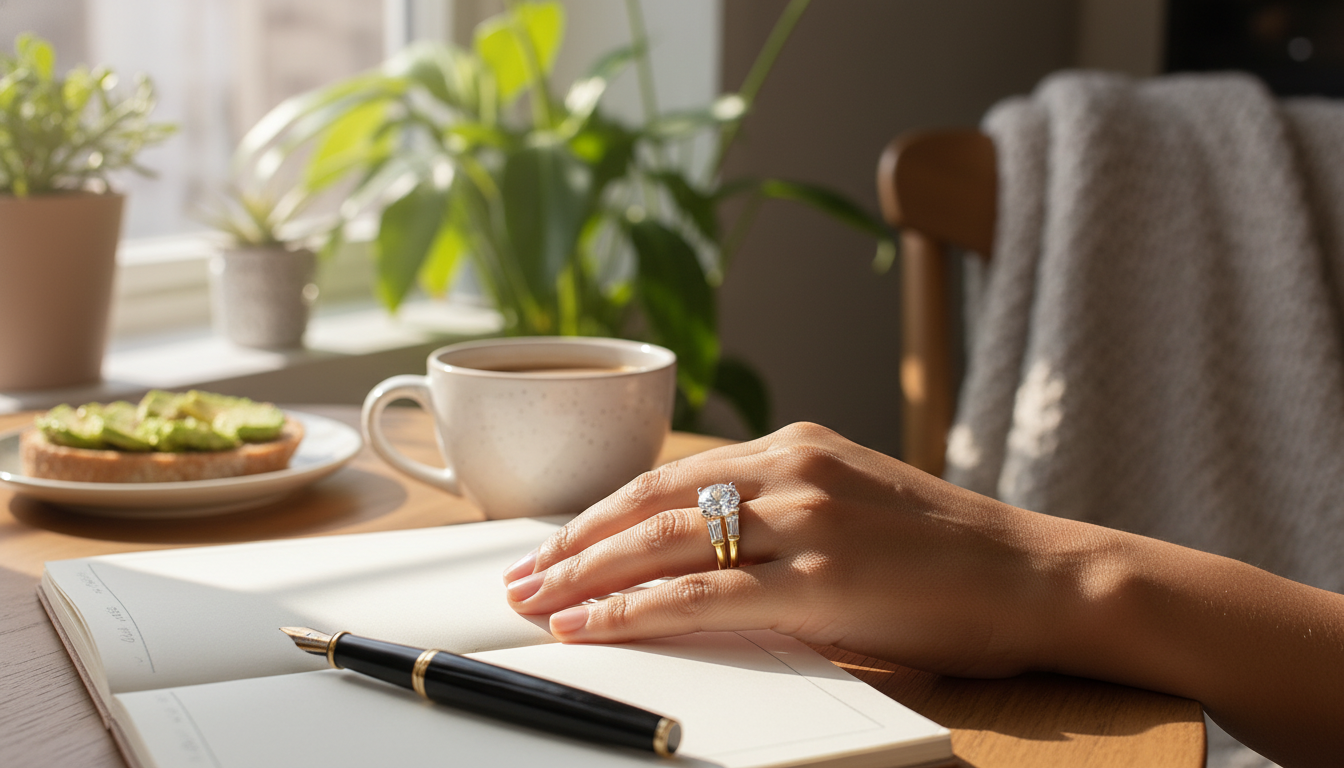
Moissanite Wedding Ring Set: A Bright, Practical Pairing for Everyday Wear
A wedding ring set pairs an engagement ring with a matching band for a cohesive look that’s easy to wear daily. Moissanite adds standout sparkle with strong durability and a typically lighter price tag than many traditional options, making it a popular choice for couples who want brilliance without being overly precious about everyday life.
What a wedding ring set includes (and why it matters)
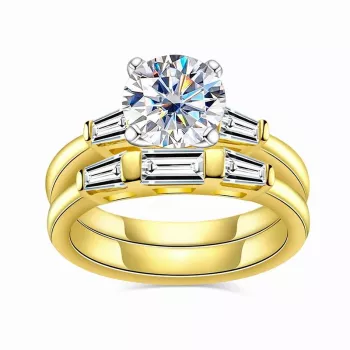
A wedding ring set usually includes two pieces designed to work together: the engagement ring and the wedding band. When the pair is engineered as a set, everyday wear tends to feel smoother, look more intentional, and require fewer compromises.
- Designed to sit flush or stack neatly: A matched set often reduces gaps between rings, which can also cut down on snagging on sweaters, hair, or gloves.
- More comfortable as a pair: Two rings with aligned profiles can feel better than mixing unrelated styles that pinch or spin differently.
- Style decisions are already coordinated: Metal tone, stone shape, and band width are chosen to complement each other, so the look reads cohesive from every angle.
- Maintenance is simpler when the rings are meant to be together: Depending on the design, resizing and upkeep can be more straightforward when the jeweler is working with a matched set.
Moissanite at a glance: sparkle, durability, and look
Moissanite is a lab-created gemstone prized for its bright, lively look—especially under spotlights, sunlight, and indoor lighting. Many people recognize it for a distinctive “fire,” meaning rainbow flashes that can be more noticeable than what some expect from a traditional diamond appearance.
- Brilliance and fire: Moissanite is known for high sparkle with colorful flashes in many lighting conditions. For background on what moissanite is and how it’s described gemologically, see Gemological Institute of America (GIA) – Moissanite.
- Everyday durability: It ranks high on the Mohs scale, which supports daily wear with sensible care. (Mohs hardness is a helpful baseline for scratch resistance; reference: Mindat – Mohs Hardness Scale.)
- Color range: Stones can run near-colorless to warmer tones. The right grade depends on whether you want a crisp, icy look or a slightly softer warmth—especially important if you’re choosing yellow or rose metal.
- Optical differences vs. diamond: Moissanite can show more colorful fire. If a more subdued look is preferred, choosing a strong cut and a near-colorless grade can help keep the look clean and bright rather than extra “rainbow.”
How moissanite compares to other popular center-stone options
Center-stone choice affects not only sparkle, but also how a ring looks after months and years of handwashing, cooking, travel, and everyday bumps. Durability isn’t just hardness—secure settings and lifestyle habits matter too.
| Option | Sparkle style | Hardness (Mohs) | Typical cost profile | Notes for ring sets |
|---|---|---|---|---|
| Moissanite | Very bright with noticeable fire | 9.25 | Often lower than diamond | Great for daily wear; choose a secure setting if very active |
| Diamond | Balanced brilliance/fire | 10 | Typically highest | Classic choice; cost varies widely by cut and grading |
| Cubic zirconia (CZ) | Bright at first, can dull over time | 8–8.5 | Usually lowest | May show wear/clouding faster; budget-friendly for occasional wear |
When comparing options, it also helps to know basic jewelry terminology and marketing rules. The Federal Trade Commission – Jewelry Guides is a useful reference for how materials should be described in the U.S.
Choosing the right set style: solitaire, halo, and stack-friendly shapes
The “best” style is the one that matches how the ring will be worn: daily, occasionally, with gloves at work, or alongside additional bands later. A well-chosen style also reduces irritation points like rubbing, snagging, and awkward gaps.
- Solitaire sets: Timeless, clean, and often easiest to pair with future anniversary bands. With moissanite, a great cut can deliver maximum sparkle without extra details.
- Halo sets: A halo can make the center stone look larger and add extra shimmer. For daily wear, check the halo height so it won’t grind against the wedding band and wear the metal faster.
- Three-stone looks: These offer symbolism and finger coverage. For comfort, confirm spacing so side stones don’t press into neighboring fingers.
- Stone shapes: Round tends to maximize sparkle; oval and pear can elongate the finger; cushion and princess often read more modern and structured.
- Band pairing: If a larger center stone creates a gap, consider a contour band designed to hug the engagement ring’s profile for a more “locked-in” look.
Metal choices and finishing details
Fit, sizing, and comfort considerations for two rings worn together
Care and long-term upkeep
A ready-to-wear option to consider
- Moissanite Wedding Ring Set (In Stock) is a coordinated pairing designed to simplify styling and everyday wear.
- For getting-ready routines around engagement photos, date nights, or travel, 5-in-1 Hair Dryer & Styler Brush with Auto Curling and Frizz Control (In Stock) can be a convenient all-in-one styling tool.
FAQ
Does moissanite hold up for everyday wear in a wedding ring set?
Yes—moissanite ranks high for hardness, making it a practical choice for daily wear. For long-term security, prioritize a sturdy setting, check prongs periodically, and remove the rings for harsh chemicals or heavy-impact activities.
Will a moissanite wedding ring set look too “rainbow” compared to diamond?
Moissanite often shows more colorful fire than diamond, especially in bright or mixed lighting. Cut quality, stone size, and color grade can influence how noticeable that effect is, and near-colorless options can look more crisp and understated.
How should a wedding band sit next to the engagement ring in a set?
Ideally, the band should sit flush or stack neatly to reduce gaps that catch and rub. If a larger center stone creates space, a contour band can follow the engagement ring’s shape, and it’s smart to size with both rings together for comfort.







Leave a comment