Large-Opening Snack Bag Clip for Fresh, Tidy Storage
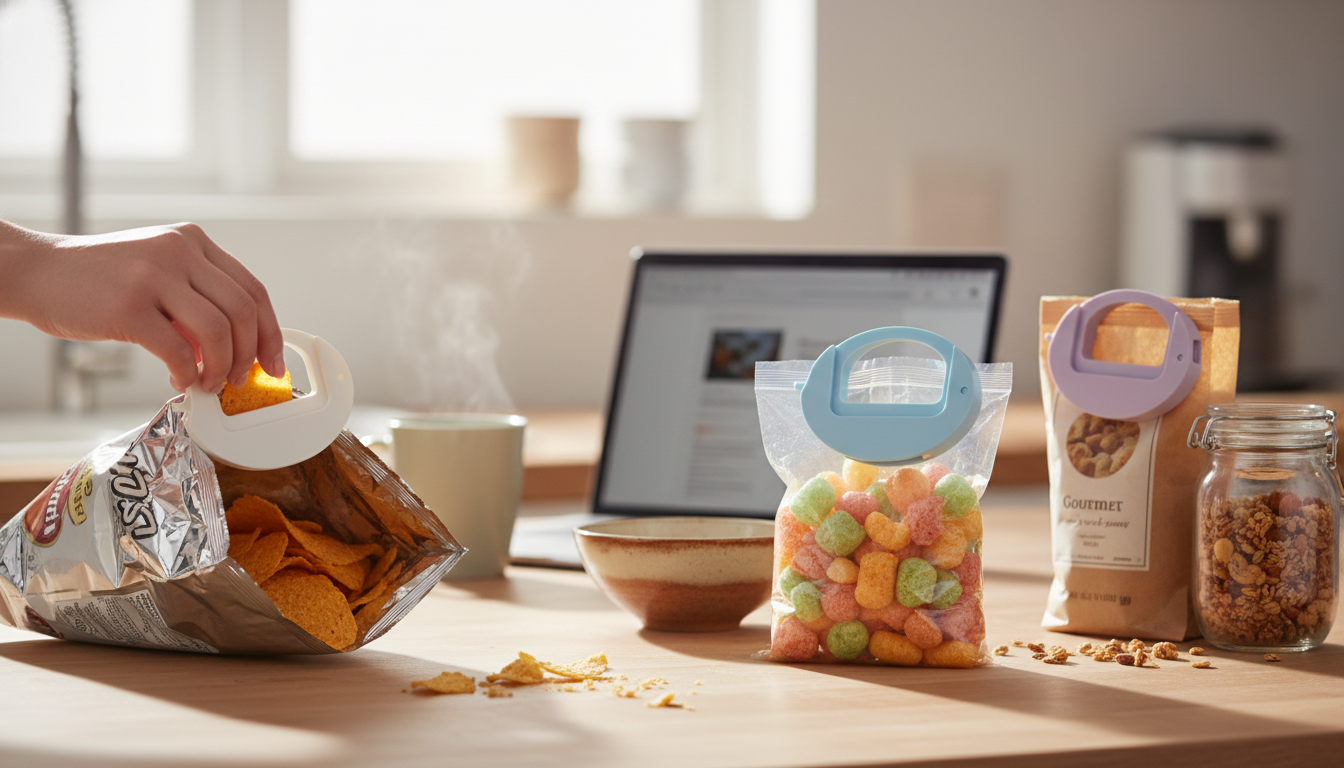
Large Opening Snack Bag Clip: Keep Snacks Fresh and Cabinets Tidy
A sturdy bag clip can do more than pinch a bag closed—it helps reduce staleness, prevents spills in backpacks, and keeps pantries looking organized. A large-opening snack bag clip is especially handy for family-size chips, bulky cereal liners, and stiff freezer bags that smaller clips can’t comfortably grip. Below are practical ways to choose, use, and care for a wide-jaw clip so everyday snacking stays simpler and less messy.
Why a Large-Opening Clip Makes Daily Snacking Easier
Not all packaging is created equal. Thin sandwich bags close easily, but snack and pantry staples often come in thicker, wider plastic that fights back when you try to fold it neatly. A large-opening clip is built for those real-life bags.
- Handles bulky packaging: Wide jaws hold thicker, crinkly bags that small clips struggle with (chips, cereal liners, frozen foods).
- Cuts down on mess: A secure clamp keeps lightweight bags from toppling and spilling in drawers, pull-out bins, or on pantry shelves.
- Speeds up grab-and-go routines: Quick reseals are ideal for kids’ snacks, lunch prep, and after-school grazing.
- Helps protect texture: Less air exposure between servings can slow the softening of chips and the staling of crackers.
Where It Helps Most Around the Home
A wide-opening clip earns its keep because it moves easily from one storage spot to another without needing special containers for everything.
- Pantry: Reseal chips, crackers, cookies, and cereal liners to help slow staling and keep shelves looking neat.
- Freezer: Close partially used frozen fruit, vegetables, fries, or even small ice packs. Place the clip where it won’t crush delicate contents.
- Countertop: Keep baking add-ins like chocolate chips, nuts, or dried fruit contained during meal prep (especially when you’re opening and closing the bag repeatedly).
- On-the-go: Clip rolled snack bags inside lunchboxes to prevent crumbs from migrating into everything.
- Pet area: Close treat bags to help reduce odors and limit moisture exposure that can make treats go stale faster.
Features to Check Before Buying
Two clips can look similar, yet feel totally different in day-to-day use. These details make the difference between a clip you reach for constantly and one that gets lost in the back of a drawer.
- Opening width: Larger jaws fit folded or rolled bags without tearing the plastic or forcing awkward folds.
- Clamping strength: Firm tension helps maintain a seal; overly aggressive clamps can deform very thin bags.
- Jaw design: Ridges or grippy surfaces help prevent slipping on smooth, glossy packaging.
- Handle size: Bigger handles are easier to operate with wet hands or for anyone with limited grip strength.
- Material and safety: Choose durable, food-contact-safe plastics; avoid materials that hold lingering odors or have dyes that rub off.
- Storage-friendly shape: A hanging hole or slim profile makes it easier to keep clips visible and accessible.
Quick fit guide for common bags
| Bag type | Typical challenge | What to look for in a clip | Tip for a better seal |
|---|---|---|---|
| Chips and snacks | Air sneaks in; bag is slippery | Strong clamp + ridged jaws | Press out excess air, fold top twice, then clamp |
| Cereal liners | Thicker plastic and wider folds | Wide opening + long jaw | Roll tightly before clipping |
| Frozen vegetables | Cold, stiff plastic | Wide opening + firm hinge | Wipe frost off the closing area before sealing |
| Candy or nuts (stand-up pouches) | Heavy contents pull the seal open | Strong clamp + wide jaw | Clip above the zipper for extra security |
Simple Ways to Get a Tighter Seal
A good clip helps, but technique matters just as much. A few small habits can noticeably improve how well snack bags stay closed.
- Remove extra air: Gently press the bag flatter before folding or rolling the top edge.
- Use a double-fold: Two small folds create a thicker edge that clamps more securely than a single flimsy fold.
- Match clip placement: Clamp across the full width of the folded area, not only at one corner.
- For tall bags: Roll downward until the contents support the roll, then clamp to keep the roll from uncoiling.
- For powdered foods: Keep the closure area clean—powder on the edge can prevent a snug hold.
Care, Cleaning, and Food Storage Notes
Clips are low-maintenance, but a quick rinse now and then keeps them gripping like they should.
For food storage timing and safety basics, authoritative references like the USDA FoodKeeper App and the FDA’s guidance on safe food storage can help you make confident choices.
A Practical Pick for Wide and Bulky Bags
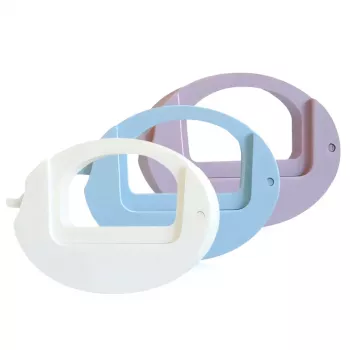
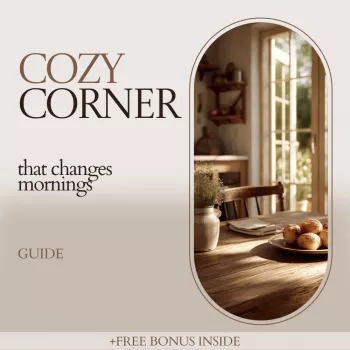
If you want a simple, everyday option, the Large Opening Snack Bag Clip is made for wider folds and faster reseals. For a broader kitchen refresh that supports a tidier routine, pairing small tools with a comfortable, organized eating space can help—see The Cozy Corner That Changes Mornings: Ultimate Breakfast Nook with Banquette Seating Guide for layout ideas that make snacks and meals feel less chaotic.
FAQ
Do bag clips actually keep food fresh?
They help by reducing air exchange and preventing spills, which can slow staling for everyday snacking. For maximum freshness over longer periods, airtight containers can work better, but clips are very effective when you fold or roll the top well before clamping.
Can a bag clip be used in the freezer?
Many clips can be used in the freezer as long as the closure area is dry to prevent frost buildup. Place the clip above the food so it seals the bag without crushing delicate items.
How do you stop a clip from slipping off smooth plastic bags?
Press out extra air, double-fold the top to create a thicker edge, and clamp across the full width of the fold. If the packaging is oily, wash and dry the clip jaws so they can grip properly again.






Leave a comment