Interactive Dancing Bunny Robot: Music, Moves & Play
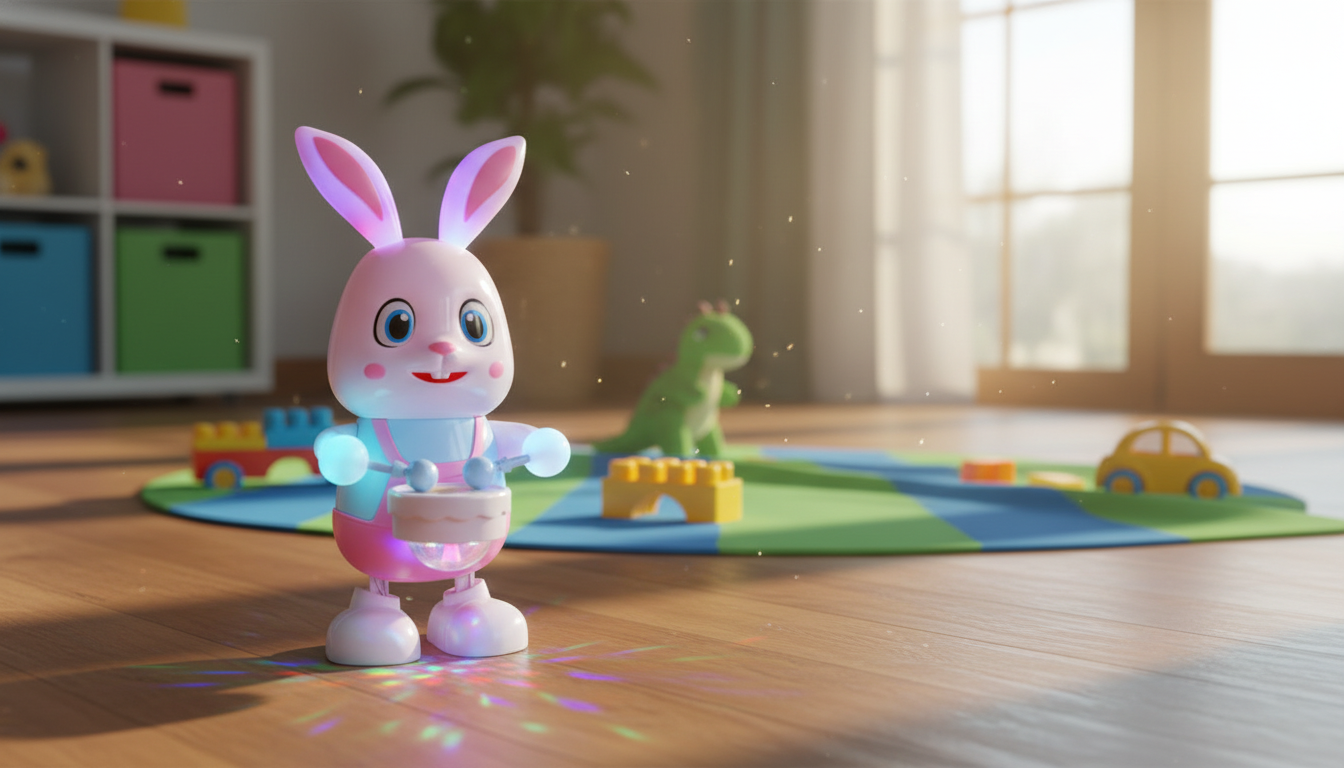
Interactive Dancing Bunny Robot: A Playful Companion for Music, Movement, and Giggles
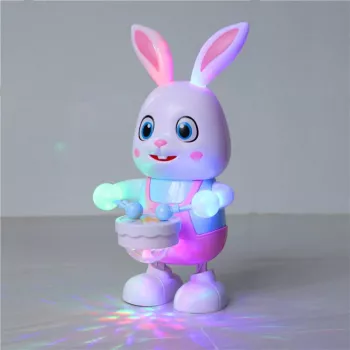
An interactive dancing bunny robot pairs an adorable character look with motion, music, and often lights—turning a regular play break into a mini “dance party” that kids can lead. It’s the kind of toy that naturally invites giggles, copying, and repeat play, whether you’re filling a rainy afternoon or helping a little one shake out extra energy before dinner.
Below is a practical guide to what these toys typically do, when they fit best into family routines, what to double-check before gifting, and a few easy ways to keep the fun going without tipping into overstimulation.
What an Interactive Dancing Bunny Robot Does
- Moves to music: Simple dance motions (bouncing, swaying, turning) designed to entertain and encourage kids to mimic movement.
- Plays music and/or sound effects: Tunes, upbeat rhythms, and playful sounds help create a lively, “press-and-react” experience.
- Adds visual feedback: Many models include light-up elements that flash or glow during motion and music.
- Encourages interactive play: Depending on the model, kids may clap along, copy motions, or press buttons to trigger different actions.
Best Moments to Use It
- Indoor energy breaks: A quick dance session can reset attention between puzzles, coloring, or story time.
- Playdates: A shared dance-along toy helps kids warm up socially because the “activity” is already defined.
- Family time: Easy routines like “press → dance → laugh → repeat” make it simple for siblings and caregivers to join in.
- Celebrations and gifting: A memorable pick for birthdays, holidays, and bunny-themed baskets or parties.
Quick Product Snapshot
If you’re deciding whether a dancing bunny robot fits your space and your child’s temperament, a fast checklist can save a lot of guesswork—especially around noise level, movement style, and where it will be used.
At-a-Glance Checklist
| What to Check | Why It Matters | Good Fit If… |
|---|---|---|
| Sound and volume | Some musical toys can feel loud in smaller rooms | A volume setting exists, or your play space isn’t noise-sensitive |
| Movement style | Bouncing/turning can surprise pets or very young toddlers | Kids enjoy dancing, copying motions, and energetic play |
| Power source | Battery changes vs. rechargeable convenience affects daily use | Your preferred option matches household habits (spares or charging routine) |
| Play surface | Hard floors vs. carpet can change how smoothly it moves | You have a stable area where it can move without obstacles |
| Cleaning approach | Frequently handled toys should be easy to wipe down | The exterior can be cleaned with a soft cloth and gentle methods |
Featured Picks Available Now
For a ready-to-gift option, start with the main event: the Interactive Dancing Bunny Robot ($22.97). It’s a straightforward way to add music-and-motion play without a screen, and it’s easy to bring out for short bursts when kids need to move.
If you’re also refreshing a family space where play happens—like a breakfast corner that doubles as crafts and dance breaks—The Cozy Corner That Changes Mornings: Ultimate Breakfast Nook with Banquette Seating Guide ($7.99) can help inspire a cozy, practical setup where toys can live and routines can stick.
How It Supports Learning Through Play
- Gross motor practice: Dancing, hopping, and copying motions can support coordination, balance, and body awareness.
- Rhythm and listening: Music cues help kids follow patterns like start/stop, fast/slow, and “wait for the next beat.”
- Cause-and-effect: Pressing a button and seeing an immediate reaction reinforces simple sequences and turn-taking.
- Imaginative play: A character-style robot often becomes a “friend” in pretend games—hosting a concert, leading a parade, or starring in story time.
Safety and Comfort Checks Before Handing It Over
- Age fit: Follow the manufacturer’s recommended age range, and supervise younger kids who may startle easily or mouth objects.
- Small parts and access panels: Confirm the battery compartment is secure and requires a tool if indicated.
- Volume considerations: If sound is intense, keep sessions short and avoid close-range play right next to ears.
- Play zone setup: Clear a small “dance zone” away from stairs, sharp corners, or wobbly furniture.
- Pet awareness: Moving, sound-making toys can spook animals; introduce gradually and pause play if a pet is stressed.
For broader guidance on toy safety and best practices, consult resources from the U.S. Consumer Product Safety Commission (CPSC) and the American Academy of Pediatrics. For manufacturers and safety-focused shoppers, the ASTM F963 toy safety standard overview is also a helpful reference point.
Tips for Getting More Play Value
When It Makes a Great Gift
FAQ
What age is an interactive dancing bunny robot best for?
Start with the manufacturer’s recommended age range, then match it to your child’s comfort with sound and sudden movement. Toddlers often enjoy short, supervised sessions, while preschoolers and early elementary kids tend to get more mileage from dance games and imitation play.
Is it loud, and can the volume be controlled?
Volume varies by model, so it helps to check whether there’s a volume setting or multiple sound levels. If it plays loudly in your space, use shorter sessions and place it a bit farther away rather than right next to your child.
What’s the best way to clean it?
Power it off first, and avoid getting moisture near seams or battery compartments. Wipe the exterior with a soft, lightly damp cloth and gentle cleaner as needed, and follow any care instructions included with the toy.







Leave a comment