Inflatable Sleeping Pad with Pillow for Camping Comfort
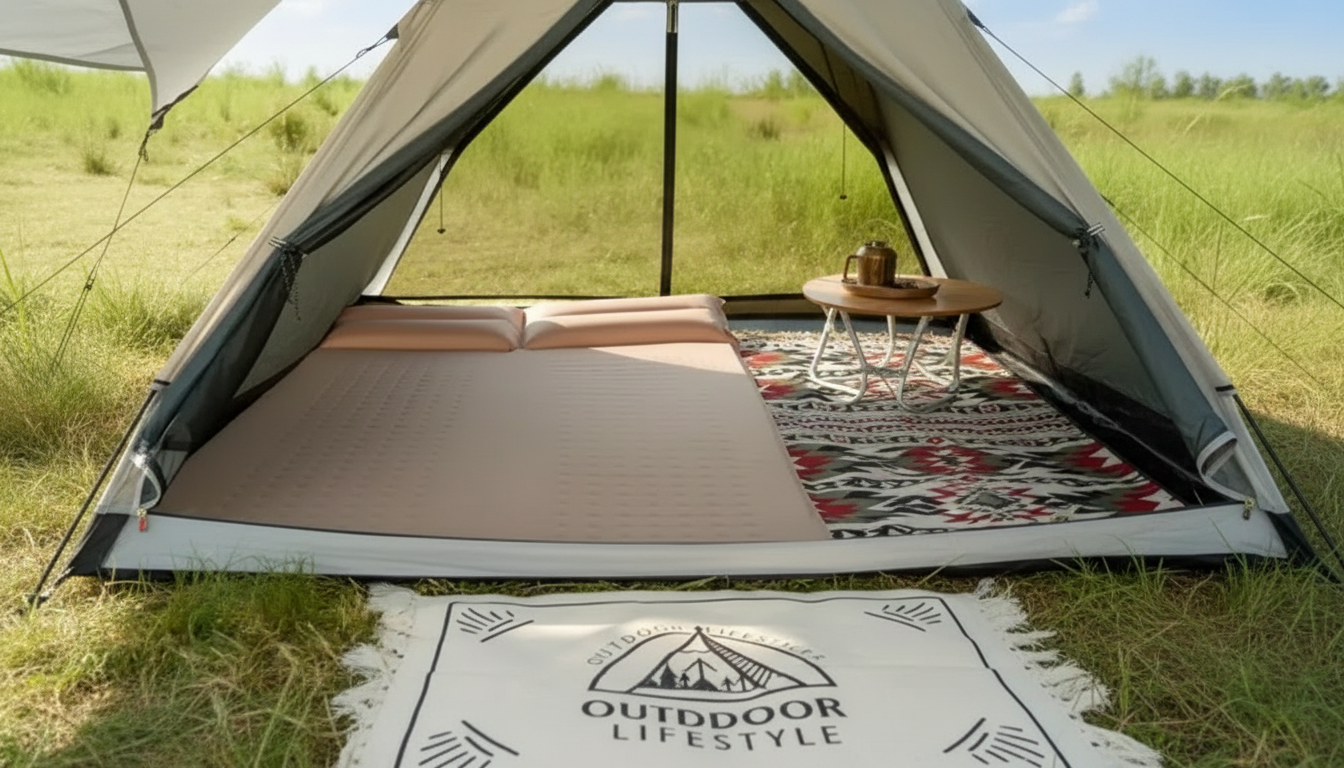
Inflatable Camping Sleeping Pad with Pillow: Comfortable Sleep for Car Camping and Backpacking
A good night’s sleep outdoors starts with a pad that cushions pressure points, blocks cold ground, and packs down small. An inflatable sleeping pad with an integrated pillow simplifies the sleep setup—fewer loose items to chase around the tent, a faster camp routine, and steadier head/neck support. Below is what to expect from an inflatable pad-with-pillow, how to dial it in quickly, and which details matter most for comfort, warmth, and durability. For more guidance, see Inflatable camping sleeping pad with pillow and built in ….
What an inflatable pad with pillow does better than a foam pad
Closed-cell foam pads are reliable and simple, but inflatable designs usually win when comfort and packability are the priority. For further reading, see Camping pillow?.
- Greater cushioning for hips and shoulders, especially for side sleepers who tend to “bottom out” on thinner foam.
- More efficient pack size for travel, trunk storage, or backpacking—helpful when every cubic inch counts.
- Integrated pillow convenience that reduces the need for extra camp pillows or bundled clothing shifting around at night.
- Adjustable firmness: add or release air to dial in comfort for different sleepers, sleeping positions, and ground conditions.
Comfort setup that actually works on the first night
Most “bad pad” experiences come from an overly firm setup. A couple minutes of adjustment can make the difference between waking up sore and sleeping through the night.
- Start slightly under-inflated, then add air in small increments until hips and shoulders stop touching the ground.
- Keep the pillow moderately firm; too firm can push the head forward and strain the neck.
- Protect the bottom fabric by placing the pad on a smooth tent floor or groundsheet to reduce abrasion.
- Reduce sliding by adding a thin fabric layer (sheet/liner) or using a non-slip tent footprint if your tent floor is slick.
Warmth: how to think about insulation and R-value
Warmth comes down to how well the pad slows heat loss into the ground. That’s what R-value measures: higher numbers mean more resistance to heat transfer and typically a warmer sleep. For a deeper overview of how pad insulation works, see REI’s sleeping pad R-value guidance. For the standardized lab method behind many published ratings, reference ASTM F3340.
- Mild summer nights: a low-to-moderate R-value can be sufficient, especially if the ground is warm and dry.
- Shoulder seasons: prioritize a higher R-value, or pair an inflatable pad with a closed-cell foam pad to boost insulation.
- Cold sleepers: often benefit from a warmer pad even when the forecast looks “not that cold,” because ground chill can sneak up.
- No stated R-value: choose based on the coldest ground conditions you expect, and plan for layering if temperatures drop overnight.
Durability and puncture resistance: small habits that prevent leaks
Inflatable pads can last a long time with basic care. Most leaks are preventable with a few habits at camp.
Inflation and deflation: speed, noise, and convenience
Integrated pillow: what it changes for sleep quality
Quick feature checklist (match the pad to the trip)
| Trip type | Top priority | Helpful features to look for | Common trade-off |
|---|---|---|---|
| Backpacking | Packability | Compact roll size, efficient valve, stable baffles, integrated pillow | Less “mattress-like” feel than bulky car-camping pads |
| Car camping | All-night comfort | Thicker cushioning, quieter fabric, easy valve access, integrated pillow | More bulk in storage |
| Shoulder season | Warmth | Higher R-value or layered system, full-body coverage, good ground seal | May weigh more or cost more |
| Hot summer | Ventilation/comfort | Moderate firmness, less insulation needed, easy deflation for quick mornings | Can feel cooler if temperatures drop overnight |
Care, cleaning, and storage between trips
Product spotlight: Inflatable Camping Sleeping Pad with Pillow
If the goal is a simpler, more comfortable sleep setup, Inflatable Camping Sleeping Pad with Pillow combines a single-piece pad and built-in pillow so bedtime is faster and head support stays put. It’s a practical choice for car camping, travel, and packable overnights where comfort still matters. It’s currently listed as in stock—check the product page for current pricing and availability.
More in-stock picks to round out the routine
- Mastering Your Day with Smart Habits and AI: Digital Guide, eBook, and Checklist (digital) for building a repeatable packing, planning, and morning routine that helps trips run smoother.
- Using AI for Research & Data Summaries — Digital Download (digital) for organizing gear notes, campground details, and trip checklists into quick summaries you can reference on the go.
FAQ
How firm should an inflatable sleeping pad be for side sleeping?
Inflate until your hips and shoulders don’t touch the ground, then release a small amount of air to reduce pressure points. Make changes in short bursts and keep the pillow moderately firm so your neck stays aligned.
Is an integrated pillow enough, or should a separate pillow be packed too?
An integrated pillow is often enough for back sleepers and minimalist setups, especially when paired with a sleeping bag hood or a soft layer on top. Side sleepers sometimes add a thin jacket or buff for extra height and comfort.
How can a slow leak be found and fixed on a camping sleeping pad?
Inflate it at home and listen/feel for escaping air, then use a little soapy water to spot bubbles. Mark the leak, dry the area fully, and apply a patch following the kit instructions; bringing a patch kit on trips helps you handle surprises fast.









Leave a comment