High-Carbon Baitcasting Combo: Tuning, Control & Power
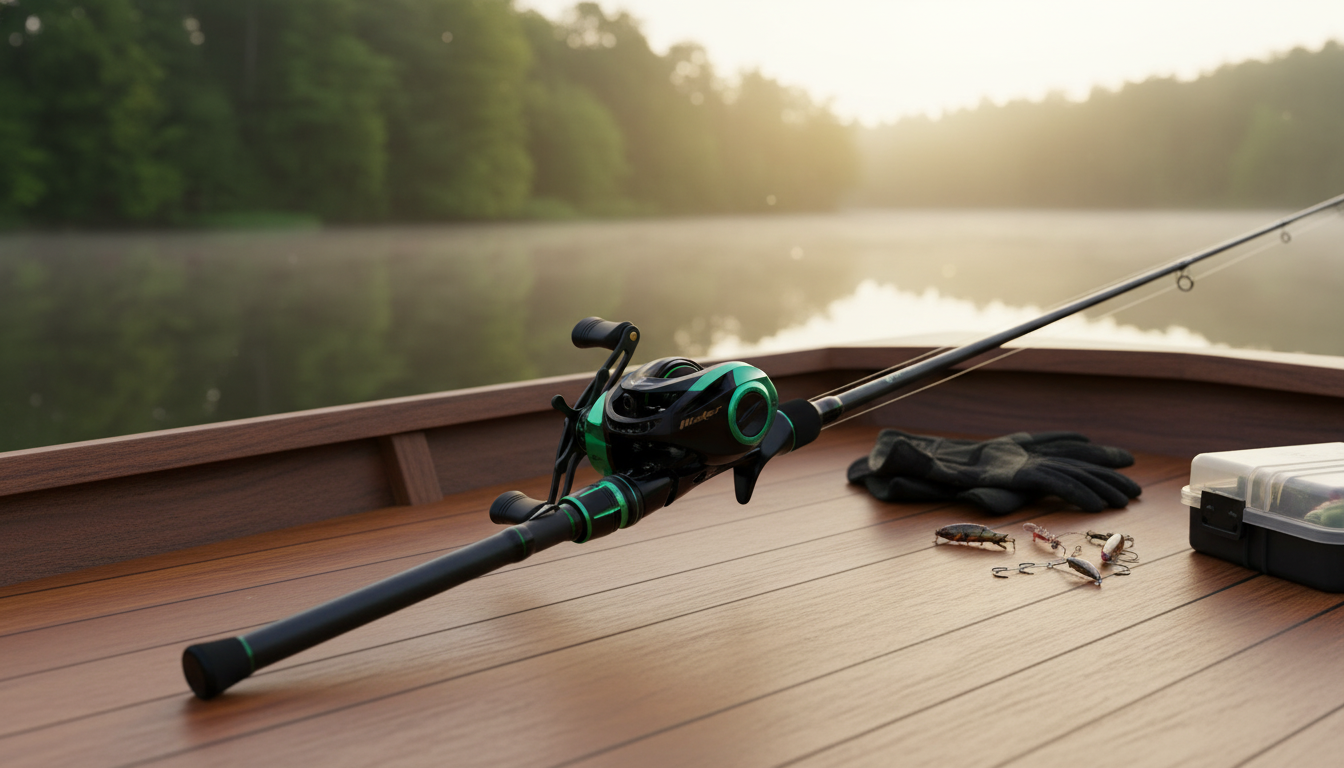
High Carbon Baitcasting Rod & Reel Combo: Power, Control, and a Clean Setup
A baitcasting combo built around a high-carbon rod is designed for anglers who want crisp lure control, solid hooksets, and a setup that feels responsive in the hand. High-carbon construction tends to sharpen feedback and tighten up casting accuracy, especially when working structure, cover, and bottom-contact presentations. Below is a practical breakdown of what a high-carbon baitcasting rod & reel combo does well, what to watch for before buying, and how to get your reel tuned quickly so you spend more time fishing and less time picking out backlashes.
What “high carbon” changes on a baitcasting combo
High-carbon blanks are known for a quick, connected feel. That difference shows up most when the lure is doing something you need to track—ticking rock, sliding through grass, or getting “loaded” by a subtle bite.
- Faster response: high-carbon blanks typically recover quicker after a cast or twitch, helping accuracy and lure action.
- More sensitivity: better vibration transfer can make bottom contact and light pickups easier to detect.
- Stronger backbone-to-weight feel: carbon construction often delivers a firm midsection without feeling bulky.
- Trade-offs to know: higher stiffness can be less forgiving when fighting fish on light line or treble-hook baits if drag and rod angle aren’t managed.
To keep that crisp feel from costing fish, run a smooth drag and avoid high-sticking—keep a more moderate rod angle and let the reel’s drag do its job on surging runs.
Quick feature checklist before buying
A “good” baitcasting combo depends on what you throw most. Use this checklist to narrow it down fast.
- Rod power and action: medium-heavy/fast is a versatile starting point for many bass-style techniques; lighter powers can favor smaller baits and open water.
- Reel braking system: magnetic and/or centrifugal braking helps control spool speed; more adjustability can shorten the learning curve.
- Gear ratio: higher ratios pick up slack quickly for jigs and soft plastics; moderate ratios can feel smoother for steady retrieves.
- Handle and grip: palm comfort matters on baitcasters; look for a grip shape that stays stable when setting the hook.
- Guides and alignment: smooth inserts and straight guide alignment reduce friction and help casting consistency.
- Drag performance: a smooth drag reduces pulled hooks, especially on short-line fights near the boat or bank.
Combo features that matter most
| Feature | Why it matters on the water | What to check before checkout |
|---|---|---|
| High-carbon rod blank | Improves responsiveness and bite feel | Comfortable stiffness level for the lures planned |
| Braking controls | Reduces backlashes and improves control in wind | Easy-to-reach external adjustments if available |
| Drag system | Protects line and keeps fish pinned | Smooth start-up and enough range for your line strength |
| Ergonomics | Less fatigue and better accuracy | Reel seat comfort, grip texture, balanced feel in hand |
| Line compatibility | Affects casting distance and manageability | Spool size and line type suited to your baits |
Best uses for a high-carbon baitcasting combo
This style of combo is a natural fit when precision and leverage matter—especially around cover or when the bite is subtle.
- Bottom-contact presentations: jigs, Texas rigs, and creature baits where sensitivity and quick hooksets help.
- Single-hook moving baits: spinnerbaits and chatter-style lures where control and power matter around cover.
- Light-to-moderate frogging and topwater work (setup dependent): rod backbone helps drive hooks, while drag tuning keeps fish pinned.
- Cover fishing: working edges of grass, laydowns, docks, and rocks where accuracy and leverage are valuable.
- Not always ideal for: very small lures, ultra-light line, or techniques that benefit from a softer rod (unless matched with an appropriate rod action and drag setting).
How to set up the reel to avoid backlashes
A few minutes of setup can make a baitcaster feel predictable. If you’re learning, start conservative and adjust toward distance only after control is consistent. For more casting fundamentals, see Take Me Fishing’s baitcasting basics.
Rod, reel, and line pairings that work well
If you fish waters with specific rules, seasons, or access considerations, check local guidance like the Florida Fish and Wildlife Conservation Commission freshwater resources. For best practices on handling fish and conservation, consult NOAA Fisheries guidance.
Care and maintenance for long-lasting performance
A ready-to-fish option: High Carbon Baitcasting Rod & Reel Combo
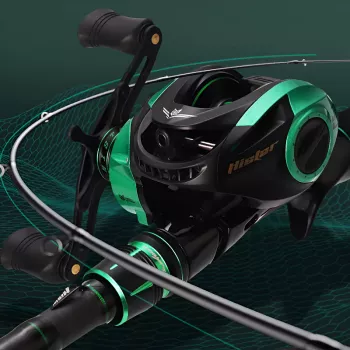
If you want a matched setup that reduces guesswork, the High Carbon Baitcasting Rod & Reel Combo is designed to feel responsive and controlled, with the baitcasting format aimed at accurate casts around cover and efficient line pickup. It’s currently in stock at $93.01 USD, making it a straightforward way to build a dedicated casting outfit for common freshwater techniques.
More in-stock picks
- 5-in-1 Hair Dryer & Styler Brush with Auto Curling and Frizz Control
- Women’s Suede Leather Lace-Up Loafers
- The Cozy Corner That Changes Mornings: Ultimate Breakfast Nook with Banquette Seating Guide
FAQ
Is a baitcasting combo hard to learn?
It’s manageable with the right starting settings: snug the spool tension until side play disappears, set the brakes higher than you think you need, and practice with a heavier, aerodynamic lure. As control improves, reduce braking gradually to gain distance without inviting backlashes.
What line works best on a baitcasting reel for beginners?
A predictable, manageable diameter helps most. Many beginners do well with braid plus a leader to reduce memory, or a slightly thicker mono/copolymer that’s forgiving and resists sudden overruns; match strength and diameter to lure weight and the amount of cover you’re fishing.
When is a high-carbon rod most noticeable?
It stands out most during bottom-contact fishing and subtle bites, where sensitivity and fast recovery help detect changes and drive clean hooksets. With treble-hook lures, keep the drag smooth and avoid overpowering the fish to reduce pulled hooks.











Leave a comment