Heated Shiatsu Neck Massager: 3D Kneading + Infrared
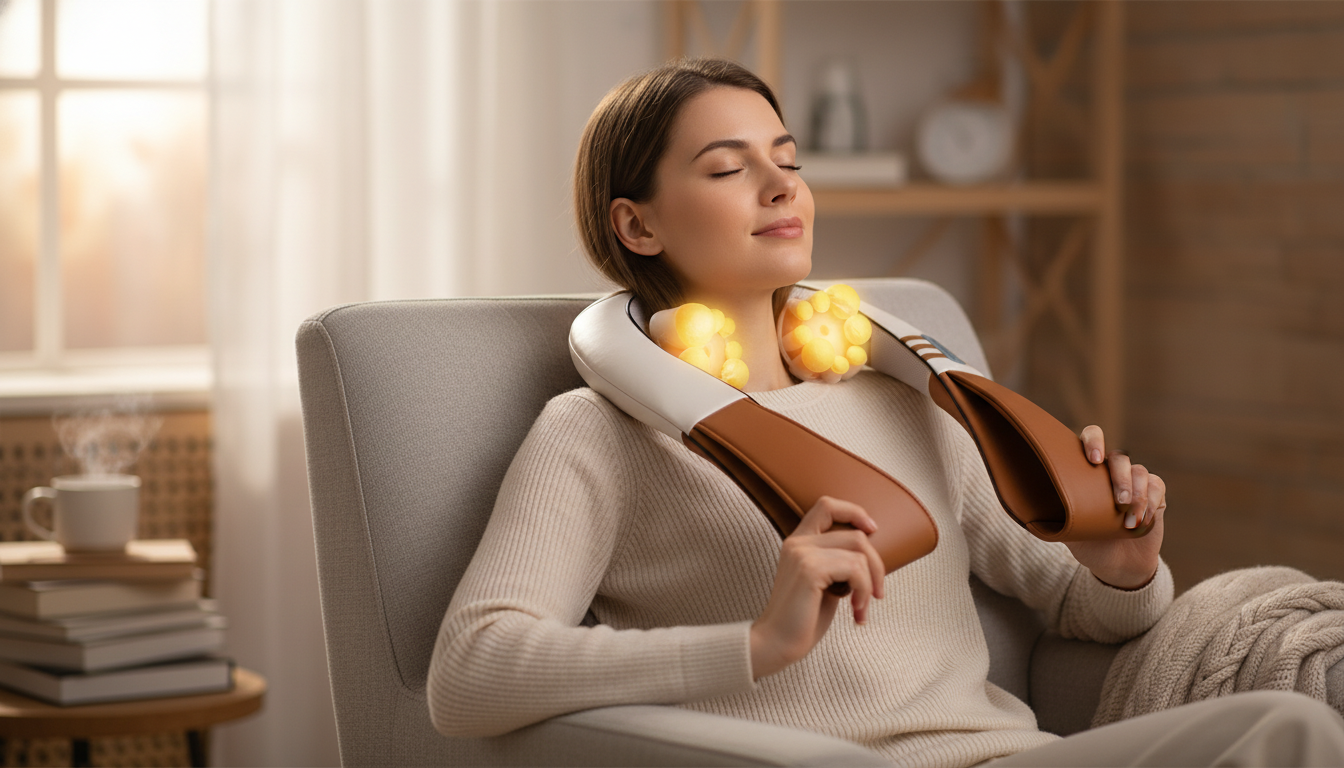
Heated Shiatsu Neck and Shoulder Massager with Infrared and 3D Kneading: Daily Relief for Tight Muscles
Neck and shoulder tension can build quickly from desk work, driving, workouts, or stress. A shiatsu-style massager with heat and infrared warmth is designed to mimic firm, circular kneading so tight areas feel looser and circulation feels boosted. This guide breaks down what 3D kneading and heat can do, how to use the massager comfortably, and what to look for to match your body and routine.
What 3D kneading and infrared heat feel like
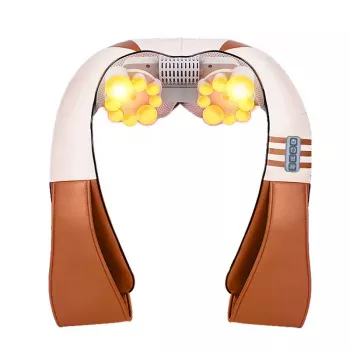
“3D kneading” usually means the massage nodes don’t only rotate in a circle—they also shift, reverse, and press in a way that feels closer to real thumbs working through a tight band of muscle. That extra movement can help the massage feel less repetitive, especially across the upper trapezius (top of the shoulders) and the base of the neck.
Infrared heat is typically experienced as a gentle, steady warmth. It doesn’t replace massage pressure, but it can make the session feel more relaxing and help stiff muscles feel less guarded—particularly when you’ve been sitting still, working in a chilly office, or waking up tight.
The best sessions tend to include small repositioning so the nodes cover multiple “hot spots”: the meaty portion of the shoulders, the area where the neck meets the shoulder, and the upper back between the shoulder blades. Comfort depends on node spacing, padding, and how securely the device stays anchored while kneading.
How the main features translate to real-world use
| Feature | What it does | Best for | Quick tip |
|---|---|---|---|
| 3D kneading nodes | Simulates circular, pressing motions across tight spots | Deep knots and post-workday stiffness | Start on a lower intensity and increase after 1–2 minutes |
| Heated / infrared warmth | Adds gentle heat to help muscles feel more pliable | Cold-weather tightness and relaxation | Use heat for 10–15 minutes, then reassess comfort |
| Direction changes | Reduces “same-spot” fatigue and feels more natural | Broader coverage on each side | Switch direction when a spot feels overstimulated |
| Strap-style hold / handles | Helps control pressure by pulling down or easing off | Custom pressure control | Let the device do the work—avoid over-pulling |
Who this massager tends to help most
Shiatsu-style kneading is especially popular with people who want targeted, “hands-on” pressure rather than a light buzz. It can be a practical add-on to daily recovery, particularly for:
- Desk and laptop users with forward-head posture and shoulder rounding, where the upper traps often feel overworked.
- Drivers and commuters who hold the shoulders elevated or tense for long periods.
- Gym-goers after upper-body sessions, when traps, rhomboids, and rear delts can feel tight.
- Anyone who wants a repeatable routine that fits between meetings, after workouts, or before bed.
- People who prefer firm kneading over vibration-only devices, since shiatsu-style pressure often feels more precise.
For general background on massage benefits and limitations, the National Center for Complementary and Integrative Health offers a clear overview: Massage therapy: What you need to know.
How to use it for neck and shoulders (comfortable, not punishing)
The difference between “relief” and “regret tomorrow” often comes down to placement and pressure control. A few adjustments can make firm kneading feel productive rather than harsh.
- Place nodes on muscle, not bone. Aim for the meaty part of the shoulders and upper traps rather than directly on the spine or the bony point of the shoulder.
- Use handles/straps to fine-tune pressure. A light pull increases intensity; easing off slightly can smooth out a sharp sensation without ending the session.
- Follow a simple routine. Try 5 minutes with heat on each side of the neck/upper shoulder, then 3–5 minutes across the upper back where shoulder blades feel “stuck.”
- Pair it with gentle movement. After the session, slow neck turns and shoulder rolls can help keep the area from tightening right back up.
- Listen to your signals. If anything becomes numb, tingly, or painful, stop and reposition—more pressure isn’t automatically better.
If your tightness is paired with ongoing neck pain symptoms, Mayo Clinic’s overview can help you understand common causes and when to get checked: Neck pain: Symptoms and causes.
When to use heat vs. no heat
Heat changes the feel of a session. Some days it’s the missing piece; other days, skipping heat keeps the massage from feeling “too much.”
Safety notes and common mistakes
A practical pick for daily relief
If you’re shopping for an easy, repeatable recovery tool, the Heated Shiatsu Neck and Shoulder Massager with Infrared and 3D Kneading is designed for that firm, circular kneading feel with optional warmth—ideal for post-work tension or end-of-day decompression.
- 5-in-1 Hair Dryer & Styler Brush with Auto Curling and Frizz Control for a quick, polished finish after a shower.
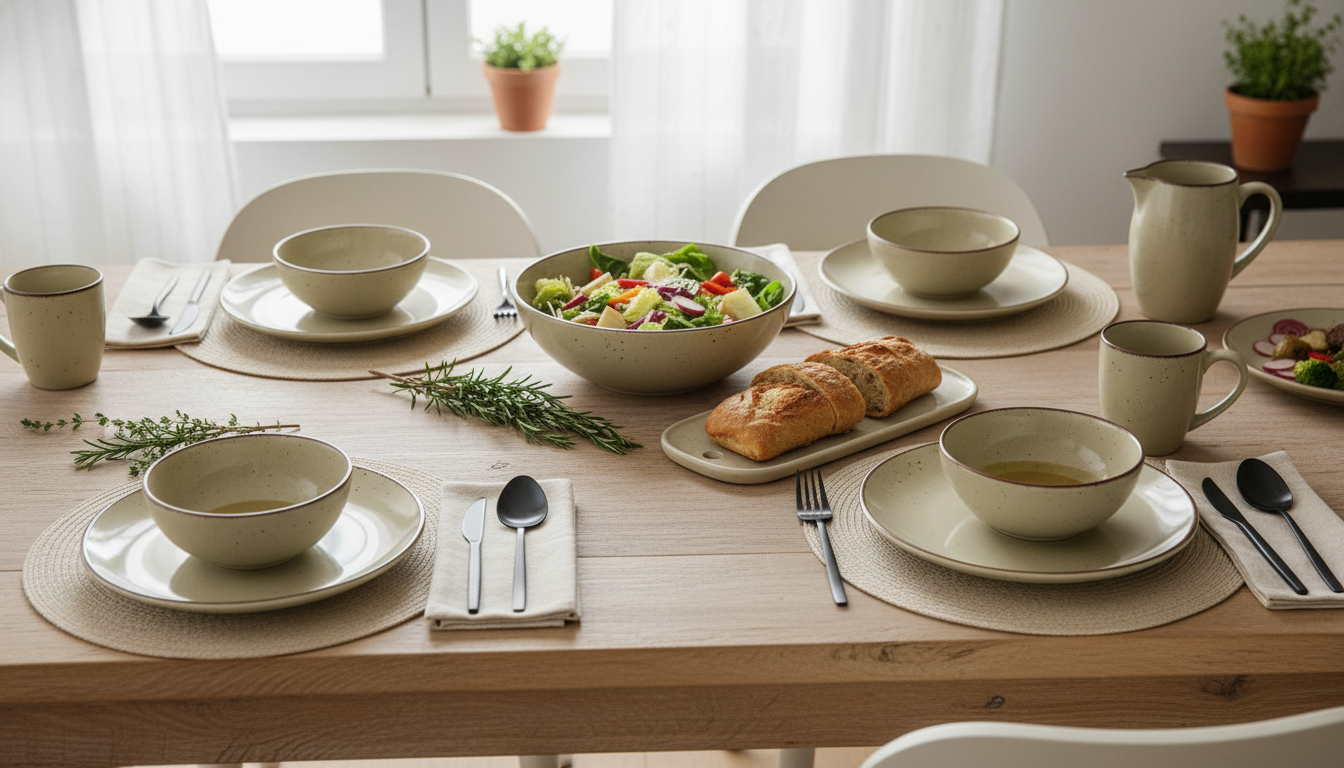
- The Cozy Corner That Changes Mornings: Ultimate Breakfast Nook with Banquette Seating Guide if you’re building a more comfortable daily space (supportive seating setups can make long mornings feel less tense).
FAQ
Can a shiatsu neck and shoulder massager help with tension headaches?
It can help some people if tight neck and shoulder muscles are contributing to headache tension, since kneading and warmth may encourage relaxation. It isn’t a cure, so keep pressure gentle and seek medical advice if headaches are frequent, severe, or changing.
How long should a session be with heat on?
A common range is 10–20 minutes, starting shorter until you know what feels comfortable. If the area feels irritated or sore, take a break and avoid using heat on spots that feel inflamed.
Is it safe to use a heated massager every day?
Many people use one daily as long as sessions stay moderate and the skin and muscles tolerate it well. Rotate areas, watch for sensitivity, and check with a clinician first if you have medical conditions that affect nerves, circulation, or bleeding risk.








Leave a comment