Head & Eye Massager Helmet: Screen-Fatigue Relief Guide
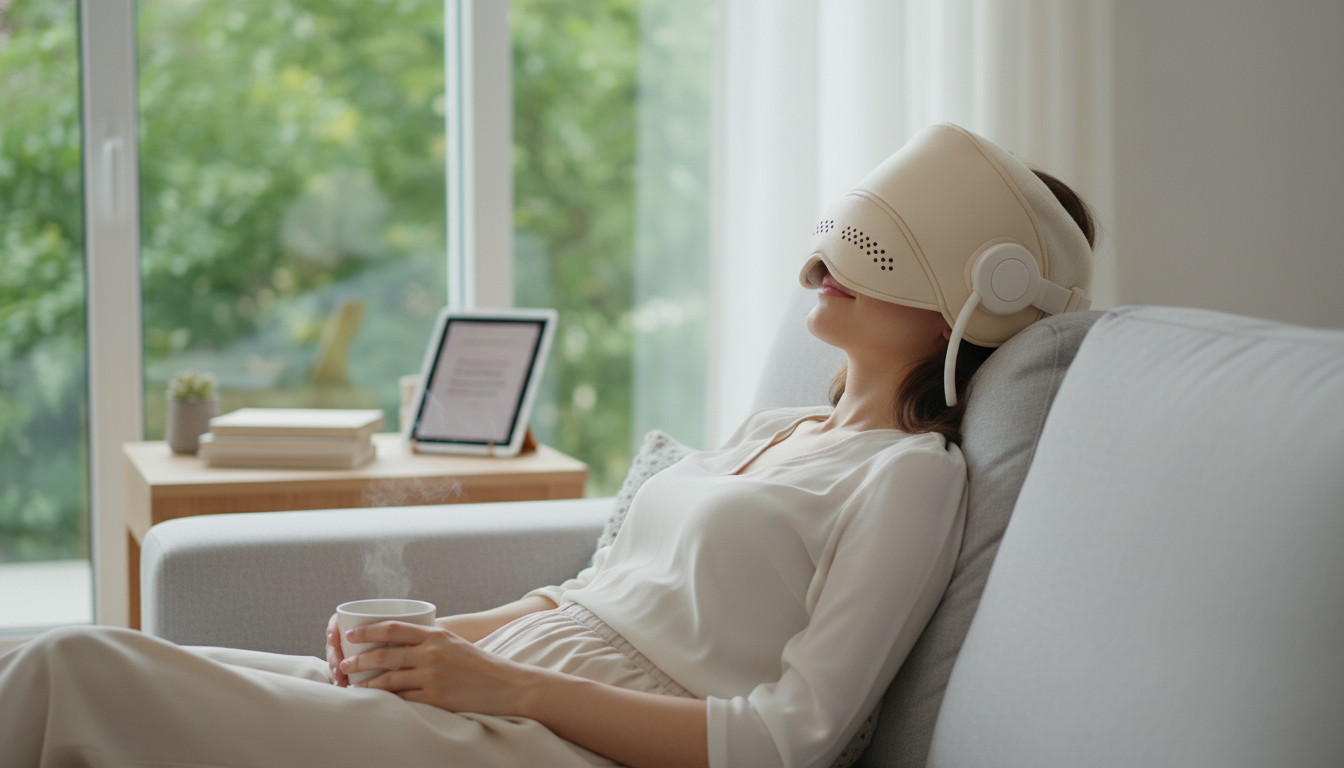
Fully Automatic Head & Eye Massager Helmet for Daily Relaxation and Screen-Fatigue Relief
A head-and-eye massager helmet combines gentle compression, vibration, and optional warmth to help unwind facial and scalp tension—especially after long screen time, commuting, or intense focus. The experience is designed to feel like a short, low-effort reset: you put it on, choose a program, and let the device run a preset sequence while you rest your eyes in a dimmer, quieter environment.
Below is a practical guide to what these helmets do, what the massage typically feels like, which features matter most for comfort, how to use one consistently, and how to keep it clean so it stays fresh and reliable.
What a head & eye massager helmet does
A head & eye massager helmet is built to create a more immersive relaxation moment than a simple eye mask. It typically:
- Covers the eye area and upper face while surrounding parts of the head to create a low-light, “pause button” environment.
- Runs automated sequences that may include air pressure/compression, vibration, and warmth to ease tension around the brow, temples, and scalp.
- Encourages short recovery breaks that can help with perceived fatigue from reading, screens, or concentration-heavy work.
- Supports at-home use when a quick reset is needed without booking an appointment.
For anyone battling long workdays at a monitor, it can also reinforce healthy habits like stepping away regularly. The American Academy of Ophthalmology summarizes practical prevention tips for digital eye strain, including taking breaks and mindful blinking (AAO: Computer Vision Syndrome).
How the massage experience typically feels
While each model has its own “signature,” most head-and-eye massager helmets rely on a familiar set of sensations:
- Compression cycles: a slow inflate/deflate rhythm around the eye area and temples to mimic gentle pressure.
- Vibration patterns: light pulsing intended to reduce the “tight” feeling across the forehead and scalp.
- Warmth (if available): a mild heat sensation around the eyes/upper face that can feel especially comforting in cool rooms.
- Session flow: preset programs should feel firm-but-not-painful and should not force the eyelids or press harshly on the nose bridge.
- Sound environment: some models include built-in audio; many people prefer silence, calm breathing, or a short relaxation track played externally.
Common modes and when to use them
| Mode | Best time to use | What it focuses on | Comfort tip |
|---|---|---|---|
| Gentle/Relax | Midday break | Light pressure + calmer rhythm | Start here to gauge pressure sensitivity |
| Deep/Intense | After long work sessions | Stronger compression + more pronounced pulses | Reduce intensity if sinus/temple area feels too firm |
| Heat/Warm | Evening wind-down | Warmth around eyes/upper face | Keep sessions shorter if heat feels too strong |
| Sleep/Night | Before bed | Slower pacing + quieter feel | Pair with dim lighting and a consistent bedtime routine |
| Focus/Refresh | Between meetings | Brisker sequence to feel re-energized | Limit to short sessions to avoid overstimulation |
Features that make a real difference
Two helmets can look similar but feel completely different once you wear them. These are the comfort and usability details that tend to matter most over weeks of daily use:
- Adjustable intensity: multiple pressure levels help accommodate sensitive temples and different preferences day to day.
- Fit and adjustability: a secure, adjustable strap helps maintain even pressure without squeezing.
- Nose-bridge comfort: a well-shaped interior prevents pinching and helps keep breathing comfortable.
- Heat control: warmth should feel soothing, not hot, especially for regular evening sessions.
- Noise level: quieter motors noticeably improve relaxation—especially at night or around family.
- Easy controls: simple program selection makes it easier to use consistently (which is where the benefits add up).
- Hygiene-friendly materials: wipeable surfaces and removable pads (when available) help keep the face-contact area clean.
For broader context on massage and what research does (and doesn’t) show, the National Center for Complementary and Integrative Health offers a balanced overview (NCCIH: Massage Therapy).
Who it’s suited for (and who should be cautious)
These devices are commonly used for comfort and decompression rather than as medical treatment. They can be a good fit for:
How to use it for consistent, comfortable results
For sleep-focused routines, the CDC’s sleep hygiene guidance pairs well with a short wind-down session and reduced evening stimulation (CDC: Sleep Hygiene Tips).
Cleaning, storage, and longevity
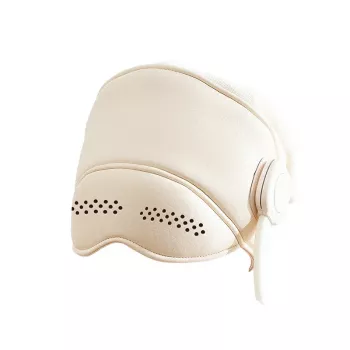
Product spotlight: Fully Automatic Head & Eye Massager Helmet
If the goal is a simple, repeatable way to decompress after screen-heavy work, studying, or travel, the Fully Automatic Head & Eye Massager Helmet is designed to deliver automated head-and-eye relaxation sessions with minimal setup. The most comfortable results typically come from starting with gentle settings, ensuring a balanced fit around the temples and brow, and keeping sessions part of a consistent routine.
For a broader self-care lineup, consider pairing your relaxation routine with practical daily-use items like the 5-in-1 Hair Dryer & Styler Brush with Auto Curling and Frizz Control for quicker mornings, or comfortable everyday footwear such as the Women’s Suede Leather Lace-Up Loafers if your “reset” also includes getting outside for a short walk between work blocks.
FAQ
Can a head & eye massager helmet help with digital eye strain?
It can help relax the surrounding muscles and encourage you to take recovery breaks, which may reduce the “tired” feeling around the eyes. It doesn’t treat underlying vision issues, so it’s still important to use smart screen habits like regular breaks, blinking, and comfortable lighting.
How long should a session be?
Start with short sessions on a gentle mode, then adjust based on how you feel afterward. If there’s any discomfort—especially with heat or stronger compression—end the session early and reduce intensity next time.
Is it safe to use if headaches are common?
Gentle settings may feel relaxing for tension, but pressure can worsen certain headache types. Test cautiously on the lowest intensity and consult a clinician if migraines or persistent headaches are a concern.







Leave a comment