Flat-Pack Folding Wood Stove for Camping & Emergencies
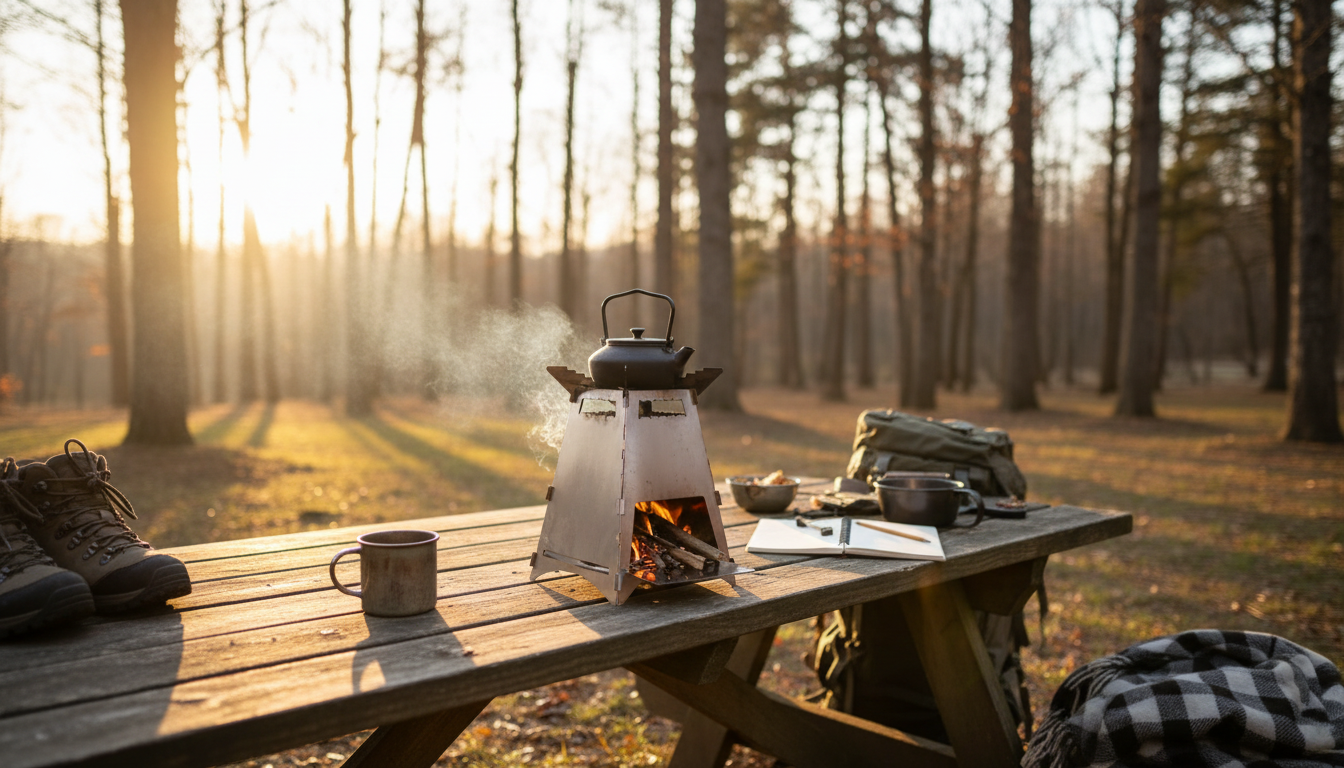
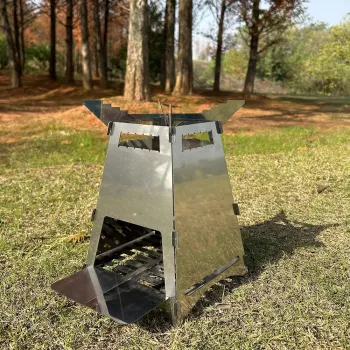
Portable Outdoor Folding Wood Stove for Campsites, Picnics, and Emergency Cooking
A folding wood stove adds a reliable cooking and warming option when propane can’t be packed, refilled, or used. With a flat-pack design, it can travel easily, set up quickly, and burn small pieces of wood found or carried in. Whether you’re boiling water for coffee, heating up a quick meal, or building a backup plan for power outages, a compact stove helps you cook with a contained flame and a predictable pot platform.
What a folding wood stove is best for
- Campsite cooking: Offers a stable platform for small pots and pans when a fire ring is unavailable or conditions are too wet to light a ground fire.
- Backyard and picnic cooking: Creates a contained flame for quick boils, simple meals, and hot drinks without committing to a full grill setup.
- Emergency preparedness: Runs on sticks and split kindling when gas and power are out; useful for boiling water and heating food outdoors where ventilation is good.
- Low-impact cooking: Keeps the burn contained and helps reduce scorching the ground when placed on a heat-resistant base.
Key features to check before buying
- Folded size and packed shape: Flat packs fit better in car kits, tote bins, and camp boxes. Check whether it stores in a sleeve or case so soot stays off other gear.
- Cooking surface support: A well-designed top supports a pot evenly, reducing tipping and uneven heating (especially with narrow backpacking pots).
- Airflow and burn control: Venting and door/opening design affect how quickly it lights, how much smoke it makes, and how steadily it burns.
- Fuel access: Larger openings make feeding sticks easier. Side/top access can reduce the need to lift the pot every time you add fuel.
- Material and heat tolerance: Stainless steel helps resist rust. Thicker metal typically warps less over time, while lighter metal packs smaller and is easier to carry.
- Cleanup and ash handling: Look for a design you can shake out or empty without fully disassembling hot parts.
Setup and safe placement
- Choose a stable, non-flammable base: Mineral soil, sand, gravel, or a fireproof mat are ideal. Avoid dry grass, duff, wooden decks, and picnic tables.
- Create wind protection thoughtfully: Use natural windbreaks or a dedicated screen, but keep airflow paths open so the stove drafts well and avoids smoke-back.
- Keep clearances: Leave space around the stove for fuel and safe foot traffic. Keep kids and pets outside the cooking zone.
- Follow local rules: Many areas regulate open flames. Confirm whether contained wood stoves are allowed during seasonal restrictions.
- Have extinguishing supplies ready: Keep water plus dirt/sand nearby, and use a heat-resistant glove if you must adjust hot parts.
For broader safety guidance, review the National Fire Protection Association’s outdoor fire safety tips and your local land manager’s posted fire rules.
How to light it and maintain steady heat
If smoke is a recurring issue, it’s often a fuel-moisture problem. The EPA Burn Wise resources explain why dry wood burns cleaner and how airflow impacts smoke.
Performance expectations: what you can realistically cook
Quick planning guide for common outdoor cooking tasks
| Task | Heat goal | Best pot/pan choice | Fuel approach | Helpful tip |
|---|---|---|---|---|
| Boil 2 cups of water | High, steady flame | Small pot with lid | Pencil-to-finger thick sticks fed frequently | Use a lid and keep wind off the pot |
| Sauté vegetables | Medium heat | Skillet | Let coals form, then add small sticks as needed | Pre-cut ingredients to minimize time over flame |
| Simmer soup | Low, consistent heat | Pot with lid | Start hot, then reduce feed rate to maintain coals | Stir occasionally to prevent hot spots |
| Reheat ready-to-eat meal pouch (in hot water) | Gentle simmer | Pot | Maintain a small coal bed | Use a pot handle or glove; avoid tipping |
Care, storage, and longevity
Responsible use in camp and during fire season
For low-impact practices, follow Leave No Trace guidance on minimizing campfire impacts.
Portable Outdoor Folding Wood Stove: quick overview
In-stock picks
- Portable Outdoor Folding Wood Stove — a compact flat-pack option for campsite meals, picnics, and backup cooking when gas isn’t available.
- Women’s Suede Leather Lace-Up Loafers — a comfortable casual shoe option for day trips and picnic setups when you want something easy to wear off the trail.
- 5-in-1 Hair Dryer & Styler Brush with Auto Curling and Frizz Control — handy at home or in a powered campsite setup for quick drying and styling after humid or rainy outings.
FAQ
Can a folding wood stove be used under a tarp or in a tent vestibule?
No—avoid using a folding wood stove in enclosed or poorly ventilated areas due to serious fire and carbon monoxide risk. Cook outdoors with ample clearance above and around the stove, and keep the flame well away from any fabric or gear.
What wood size works best for a compact folding stove?
Dry, small-diameter fuel works best: tinder plus pencil-thick to finger-thick sticks. Plan to feed small pieces often to keep airflow open and flames steady, and avoid wet or oversized wood that smolders and creates smoke.
How should ash be disposed of after cooking?
Wait until ash is completely cold, then follow local rules—some areas require packing it out. Never dump hot ash, and keep any dispersed ash away from dry vegetation or flammable surfaces.










Leave a comment