Covered Kids Sandbox with Corner Seats for Cleaner Play
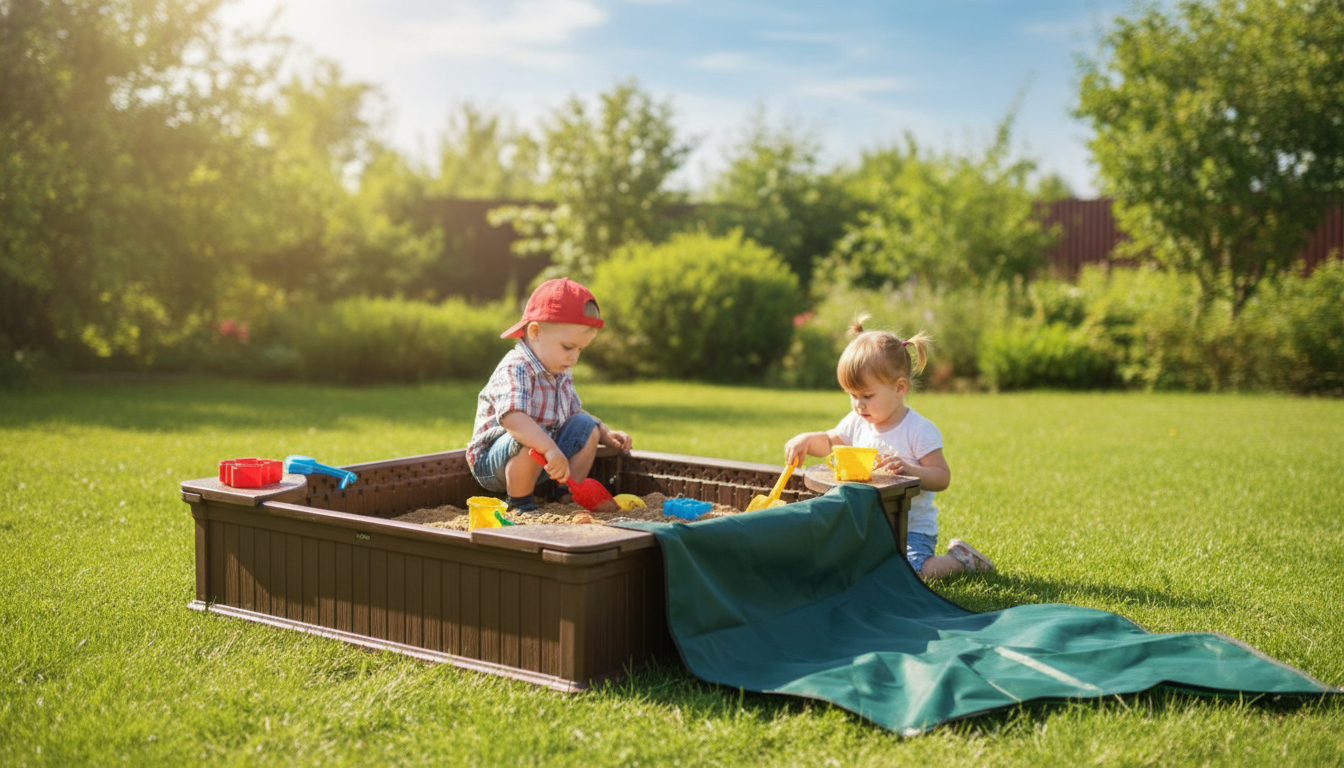
Kids Outdoor Sandbox with Cover and Corner Seats: A Backyard Play Space That Stays Clean
A well-designed sandbox can turn a small patch of yard into a daily destination for digging, building, and sensory play. A cover and built-in corner seats make a noticeable difference: less debris in the sand, fewer muddy surprises after rain, and a more comfortable place for kids to settle in and create. Below are practical pointers for choosing, placing, setting up, and maintaining a sandbox so it stays inviting—without becoming a constant cleanup project.
Why a Covered Sandbox with Corner Seats Works So Well
A sandbox is simple, but the right design details save time and frustration. A cover helps keep out leaves, rainwater, and neighborhood critters when playtime is over, so the sand stays cleaner between sessions. Corner seats give kids a place to perch, scoop, and sort without stepping directly into the build zone—handy for keeping structures intact and reducing sand kicked over the edges. Defined borders also keep sand contained and make end-of-day tidy-up faster. Most importantly, a dedicated sandbox space supports open-ended, screen-free outdoor play that can flex from “construction site” to “bakery” to “dinosaur dig” in minutes.
Product Snapshot: Kids Outdoor Sandbox with Cover and Corner Seats
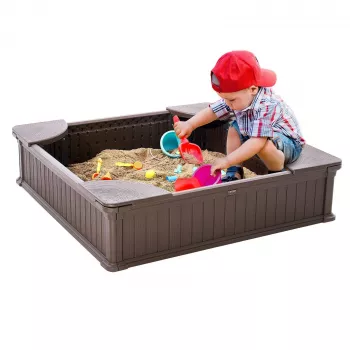
If a ready-to-go backyard setup sounds appealing, the Kids Outdoor Sandbox with Cover and Corner Seats is designed for outdoor play with a protective cover to reduce mess between sessions. Corner seating creates built-in spots for resting, sorting tools, or shaping sand structures—especially helpful when multiple kids play at once. It’s a practical option for families who want a tidier close-up routine (cover on, toys gathered, done) rather than constant raking and resetting.
| Item | What to know |
|---|---|
| Product | Kids Outdoor Sandbox with Cover and Corner Seats |
| Price | $194.51 USD |
| Availability | In stock |
| Best for | Backyard sand play with a cleaner close-up routine (cover) and seated corners |
Where to Place It for Cleaner, Drier Play
Placement is one of the biggest factors in how “fresh” sand feels over time. Choose a level area with partial sun—enough warmth to dry sand after a damp night, plus some shade so the surface and seats don’t get uncomfortably hot. Avoid low spots where water pools after rain; consistently damp sand clumps, packs down, and can start to smell musty. If possible, keep the sandbox away from overhanging trees to reduce the steady drop of leaves, seeds, and sticky sap.
Convenience helps with consistency. Position the sandbox near a hose or outdoor spigot for quick handwashing and toy rinsing. If local animals are common, place it where you can easily secure the cover and do a quick visual check before kids jump in.
For overall outdoor comfort, it also helps to follow common sun-safety basics—shade breaks, protective clothing, and sunscreen guidance as appropriate for your child’s age (see the American Academy of Pediatrics’ recommendations at HealthyChildren.org).
Setup Essentials: Base Layer, Sand Choice, and Fill Level
As a simple habit, sift or rake occasionally to remove twigs, stones, and broken toy fragments that can scratch or poke. For general outdoor play-space safety considerations, resources like the EPA’s playground surface guidance can be a helpful starting point: EPA.gov.
Cover Habits That Keep Sand Fresh
Using Corner Seats for Safer, Happier Play
Simple Maintenance Routine (Weekly and Seasonal)
Seasonally, top up sand as it compacts or gets tracked out, and consider a partial refresh if it becomes dusty, dirty, or difficult to keep clean. In colder months, keep the cover on when not in use and avoid leaving wet toys buried in the sand. For general family safety upkeep outdoors, it’s also smart to stay up to date on tetanus vaccination guidance from the CDC: CDC — Tetanus Vaccination.
| Timing | Task |
|---|---|
| After each play | Close and secure the cover; pick up toys and shake sand off seating areas |
| Weekly | Rake/level sand; remove debris; inspect cover condition |
| Monthly | Sift sand; clean and dry toys; check for sharp fragments |
| Seasonally | Add fresh play sand as needed; deep clean/refresh if odor or contamination occurs |
When a Sandbox Might Not Be the Best Fit
Optional Add-On for Smoother Outdoor Playdays
Keeping outdoor play simple often comes down to routines: a quick rinse station, a small toy bin, and a consistent “close the cover” habit. If building better daily rhythms would help the whole household, Mastering Your Day with Smart Habits and AI is a digital guide and checklist that can be used to organize recurring tasks—like weekly sandbox sifting or seasonal refresh reminders—so outdoor time stays fun instead of feeling like another unfinished chore.
FAQ
How often should sand be replaced in an outdoor sandbox?
Most families top up play sand as it compacts or gets tracked out, and do a partial or full refresh if the sand becomes contaminated, develops a persistent odor, or stays very wet for long periods. Regular sifting, keeping it covered, and airing it out after rain can significantly extend how long the sand stays usable.
Is it safe to leave a sandbox outside year-round?
Yes, as long as it’s kept covered, has good drainage underneath, and is aired out after heavy rain. Seasonal care—like removing debris, checking for pests, and topping up sand when needed—helps keep it comfortable and hygienic.
What can be done to reduce sand tracking into the house?
Place an outdoor rug or doormat next to the sandbox, add a small foot-brush or quick rinse station nearby, and encourage kids to keep shoes off while playing in the sand. Storing toys in a bin right next to the sandbox also reduces trips back and forth with sandy hands.









Leave a comment