Catnip Self-Grooming Corner Brush: Less Shedding, More Calm
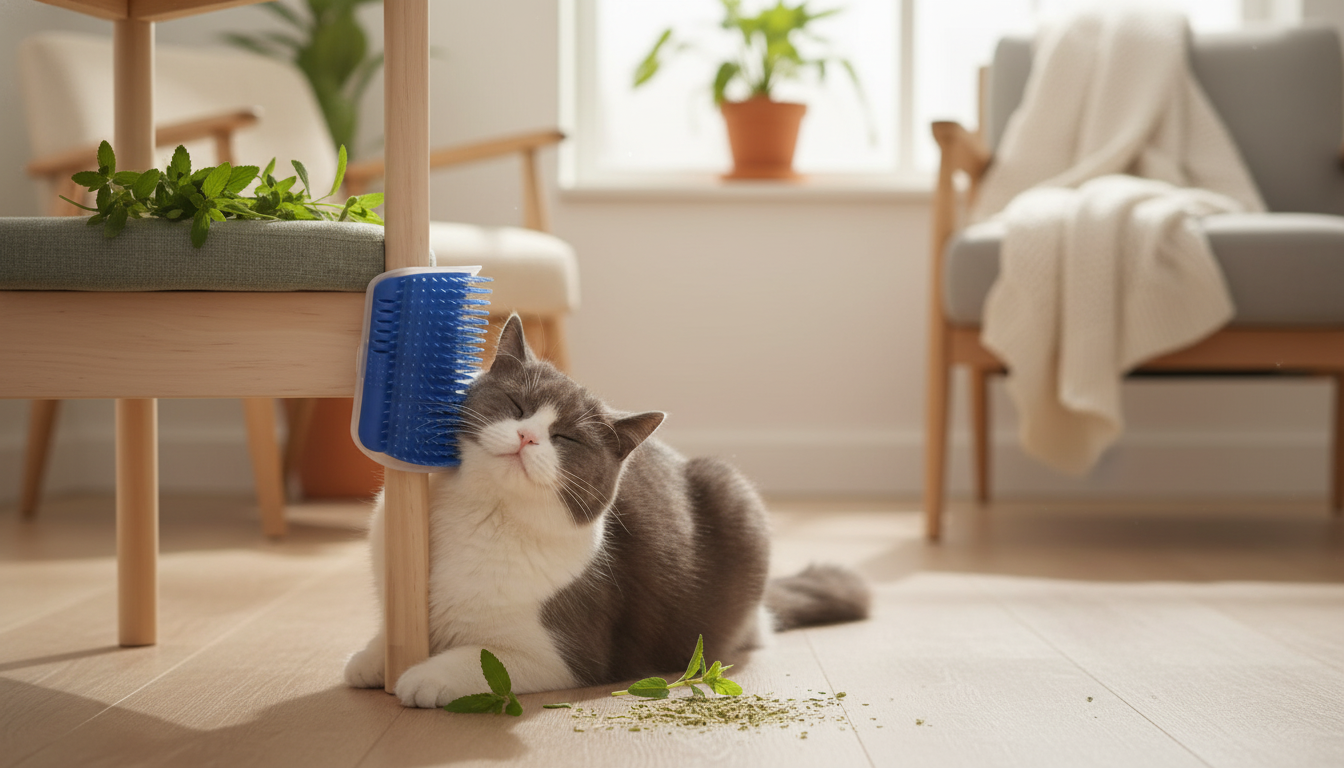
Cat Self-Grooming Brush with Catnip: An Easy Way to Reduce Shedding and Keep Cats Comfortable
A self-grooming corner brush gives cats a safe place to rub, scratch, and collect loose hair—without turning every sofa edge into a grooming station. With a built-in catnip compartment, it can also encourage regular use, helping many cats feel calmer while keeping fur under control.
What a Self-Grooming Brush Does (and Why Cats Use It)
Cats naturally rub their cheeks, neck, and shoulders on corners and furniture edges. That rubbing helps them deposit scent and can also loosen shed hair. A self-grooming corner brush channels that instinct into a dedicated spot that’s designed to be both satisfying and safe.
- Provides a dedicated surface for cheek, neck, and shoulder rubbing where cats naturally deposit scent and remove loose fur.
- Helps capture shed hair before it ends up on floors, furniture, and clothing.
- Offers enrichment and routine: many cats self-soothe by rubbing and brushing.
- Works well for cats that dislike hand brushing, or as a supplement between brushing sessions.
For general grooming best practices—especially if shedding seems excessive—ASPCA’s guidance is a helpful baseline: ASPCA: Cat Grooming Tips.
Why Catnip Can Make the Difference
A brush that’s technically perfect won’t help much if a cat ignores it. Catnip can improve the odds by making the brush “interesting” enough to approach, sniff, and eventually rub against—especially during the first week.
- The catnip compartment can attract curious cats and build a positive association with the brush.
- Useful for shy cats: a familiar scent can reduce hesitation around a new object.
- Not all cats respond to catnip (commonly less responsive kittens and some adults), so placement and training still matter.
- Refresh catnip occasionally and keep it sealed when not in use to maintain potency.
If you’re unsure how your cat might react (calm, playful, or indifferent), VCA’s overview explains typical responses and why some cats don’t respond at all: VCA Hospitals: Catnip and Cats.
Key Features to Look For
Not all corner brushes feel the same to a cat. Small design details affect comfort, cleaning, and whether the brush stays put when a cat leans into it.
- Bristle shape and flexibility: firm enough to remove loose hair, gentle enough for daily rubbing.
- Easy-clean design: hair should pull off in clumps and surfaces should wipe clean.
- Mounting options: adhesive pads and/or screws for stability on walls, corners, or furniture sides.
- Catnip compartment with a secure lid: helps prevent spills and keeps the scent where it belongs.
- Rounded edges and durable plastic: reduces snagging and accidental scratches.
Quick Comparison: Self-Grooming vs. Hand Brushing
Corner brushes shine as low-effort daily maintenance, while hand brushing remains the go-to for full-coat grooming. Many households get the best results by combining both.
| Aspect | Self-Grooming Corner Brush | Hand Brush/Comb |
|---|---|---|
| Best for | Daily rubbing, loose surface hair, enrichment | Deep coat care, undercoat, tangles/mats (with proper tool) |
| Effort required | Low (cat chooses when to use) | Moderate (owner-led sessions) |
| Coverage | Head/neck/shoulders most common | Full-body |
| Training needed | Sometimes (placement and catnip help) | Often (handling tolerance) |
| Clean-up | Pull hair off brush + wipe | Remove hair from bristles; may need multiple tools |
Placement Tips That Get Cats Using It Faster
Placement can matter more than the brush itself. The goal is to position it where rubbing is already likely, then let the cat “discover” it naturally.
- Install at head height where the cat naturally passes: near doorways, feeding areas (but not directly beside bowls), or favorite scratching spots.
- Corners tend to work best because cats can push from both sides and get better pressure.
- Avoid unstable surfaces; if the brush wobbles, many cats will stop using it.
- If using adhesive, clean and dry the surface first and allow time to set before the cat rubs.
How to Introduce It (Without Stress)
Most cats accept a self-grooming brush quickly when it’s introduced as an optional “bonus,” not as a forced interaction. Keep early experiences quiet and positive.
If rubbing becomes obsessive or seems tied to anxiety, it can help to review common behavioral factors with a trusted resource like Cornell’s feline behavior overview: Cornell Feline Health Center: Behavior Problems in Cats.
Using the Cat Self-Grooming Brush with Catnip
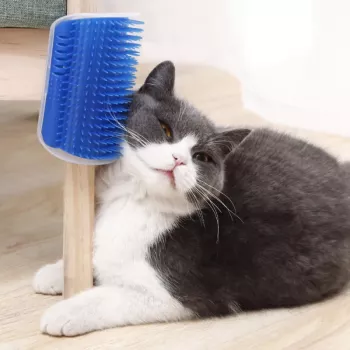
The Cat Self-Grooming Brush with Catnip is a compact corner brush designed for self-grooming and everyday shedding control. Its catnip compartment helps attract attention and support routine use, making it a simple, low-effort add-on for many homes—especially during heavy shedding seasons.
Cleaning, Maintenance, and Safety Notes
Who It’s Best For
More In-Stock Picks
- Cat Self-Grooming Brush with Catnip
- 5-in-1 Hair Dryer & Styler Brush with Auto Curling and Frizz Control
FAQ
How often should a cat use a self-grooming brush?
Many cats use it daily in short sessions, especially when it’s placed on a common route through the home. Consistent access and clean bristles usually matter more than trying to increase usage.
Is catnip safe to use every day with a grooming brush?
For most cats, small amounts are fine. If your cat becomes overly wound up or loses interest, use less and refresh it less often while keeping catnip sealed between refills.
Will a self-grooming brush replace regular brushing?
Usually not, particularly for long-haired cats or heavy undercoats. It works best as a supplement that reduces loose hair and supports comfort between full brushing sessions.











Leave a comment