BJD Doll Liano (1/4 Scale): Posing, Styling, Care Tips
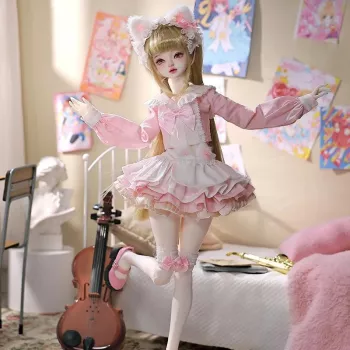
1/4 BJD Doll Liano: Display-Ready Details, Posing, and Styling Ideas
Liano is a 1/4 scale ball-jointed doll designed for expressive posing and character styling. This guide walks through what the scale feels like in daily handling, how to plan outfits and accessories without guesswork, and how to care for a BJD so it stays photo-ready and enjoyable to pose over time. (If you’re curious about the “ball joint” term itself, Dictionary.com offers a clear definition of ball joint.) For more guidance, see WorldBankGroupArchivesFolder….
What Makes Liano’s 1/4 Scale So Versatile
1/4 scale hits a sweet spot for collectors who want detail without needing a full display cabinet. It’s large enough to show off styling choices—layered outfits, textured wigs, and small props read well in photos—yet compact enough for bookshelves, desk displays, and quick “pick up and pose” sessions. For further reading, see biennials verplank tsukino biysk woode nunnery icici gavar.
Compared with smaller dolls, outfit changes and accessory handling are typically more comfortable at 1/4 scale: tiny closures, shoe straps, and miniature jewelry are easier to manage while still feeling collectible rather than life-size. This size also supports a wide range of character builds. Casual looks, fantasy themes, academy uniforms, and modern streetwear tend to translate cleanly because proportions leave room for visual storytelling without overwhelming your setup.
Quick Specs and Purchase Snapshot
If you’re deciding whether Liano fits your collection, a fast snapshot helps. The 1/4 BJD Doll Liano is positioned for collectors who enjoy posing, styling, and display photography.
| Item | Detail |
|---|---|
| Model | 1/4 BJD Doll Liano |
| Price | 199.47 USD |
| Availability | In stock |
| Category | Ball-jointed doll (BJD) |
For collectors who like to keep a neat rotation of looks and photo concepts, pairing a new doll with an organization or planning tool can make the hobby feel smoother. A digital checklist can help track wigs, outfits, and prop sets by theme or season—some collectors even keep a small “lookbook” folder for consistency across shoots.
Display and Photography: Getting a Character Look Fast
A strong character look comes from a few intentional choices, not a crowded setup. Start with one clear theme—everyday casual, academy, fantasy, or seasonal—and aim for color harmony across outfit, wig, and a single accent prop. When everything shares a palette (even loosely), photos look styled even with a simple background.
Lighting matters more than gear. Begin with soft, indirect window light or a diffused lamp placed slightly above face level. Harsh overhead lighting can carve deep shadows under the brow and nose, which may hide face details. If the face looks “flat,” try rotating the doll a few degrees toward the light rather than increasing brightness.
Backgrounds should match the scale. Textured paper, linen scraps, miniature furniture, and neutral walls often read as “real” at 1/4 scale. If patterns feel too large in photos, switch to smaller textures (tight weaves, subtle wood grain, fine wallpaper). For posing, choose a silhouette-forward stance: a slight hip shift, bent elbows, or a seated pose with relaxed shoulders helps joints look natural rather than mannequin-stiff.
Finally, add one story prop rather than many—book, tote bag, flower stem, or a café cup—so the focus stays on Liano’s styling and expression.
Posing Basics: Stability, Balance, and Joint Care
Work on a clean surface when posing or changing hands/shoes, especially if you’re using tiny clips or elastics. A soft towel or mat also reduces the chance of scuffs if a piece slips.
Outfits, Wigs, and Accessories: Building a Compatible Wardrobe
A compact “styling kit” keeps sessions smooth: wig cap, gentle brush, spare elastics, tiny pins/clips, and a microfiber cloth for fingerprints and quick dusting. For collectors who enjoy documenting each outfit and prop set, a lightweight digital planner can be handy—some use Mastering Your Day with Smart Habits and AI as a checklist-style way to structure hobby time and keep project notes in one place.
Care and Handling: Keeping the Doll Looking New
Staining is a common concern with dark fabrics. Light-colored underlayers can reduce risk, and it’s smart to remove tight or dark garments after photo sessions rather than leaving them on for weeks. For general cleaning, use a soft cloth and gentle motions—abrasive cleaners and solvents can damage the finish. The Met’s conservation guidance for caring for your personal collection is a helpful reference for building careful habits that apply well to display items and collectibles.
Gift and Collection Planning
In-Stock Picks to Build Your Setup
- 1/4 BJD Doll Liano (199.47 USD) — a 1/4 scale base for posing, styling, and character-focused photography.
- Mastering Your Day with Smart Habits and AI: Digital Guide, eBook, and Checklist (12.99 USD) — useful for keeping outfit plans, prop lists, and display projects organized.
FAQ
What does 1/4 scale mean for clothing and accessories?
1/4 scale is a common BJD size, but clothing and shoe fit can still vary by body proportions and pattern style. Check measurements (especially chest, waist, hips, and foot length) and compare them to seller sizing charts before buying outfits, shoes, and wigs.
How can staining from dark outfits be prevented?
Wash or pre-treat dark fabrics when possible, use light-colored protective underlayers, and limit wear time for tight or dark garments. Monitor common contact points (waistbands, cuffs, socks, collars) and remove dark outfits after photo sessions for safer long-term storage.
Is a doll stand necessary for display?
Some stable, neutral poses can stand without support, but a stand is recommended for dynamic poses, heels, or long-term display. It helps prevent falls and reduces ongoing stress on joints and stringing.







Leave a comment