Beryllium-Coated 9.2mm IEMs: Cohesive Single-Driver

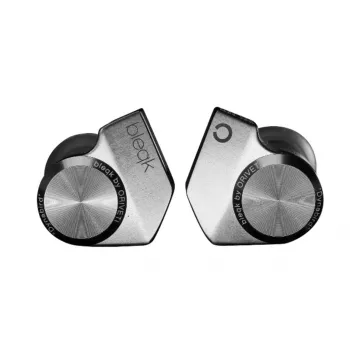
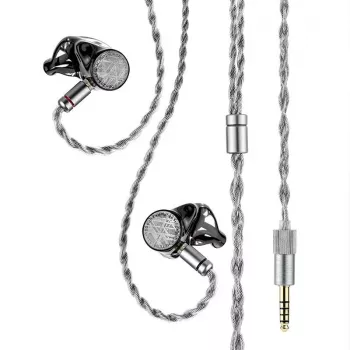
A single-driver in-ear design can deliver a cohesive, “all-from-one-place” presentation—especially when the diaphragm is engineered for stiffness and speed. The High-Fidelity 9.2mm Beryllium-Coated Single Driver In-Ear Headphones uses a 9.2mm beryllium-coated dynamic driver to emphasize clean transients, controlled bass, and natural timbre for everyday listening, commuting, and focused sessions.
What Makes a Beryllium-Coated Single Driver Different
Single-driver earphones keep the entire frequency range on one diaphragm, which can translate into a more continuous, unified sound—no crossover points, no handoffs between drivers, and fewer chances for subtle phase mismatches. For many listeners, that means instruments and vocals feel like they occupy one consistent “space” rather than coming from slightly different layers.
Beryllium coatings are often used to boost stiffness while keeping mass low. In driver terms, that stiffness-to-weight advantage can help the diaphragm start and stop quickly, improving attack on drums and plucked strings while reducing unwanted “breakup” as frequencies rise. Material alone isn’t magic, but paired with sensible tuning it can support a clear, nimble presentation with a stable timbral character across the spectrum.
With a well-implemented 9.2mm dynamic driver, the goal is typically a satisfying balance: sub-bass extension that doesn’t spill into the mids, vocals that remain centered and intelligible, and highs that resolve detail without turning sharp or tiring. For listeners who value consistency—especially across acoustic instruments—this kind of design can be a strong match.
Sound Signature Expectations (Real-World Listening)
How these in-ears sound in practice will still depend on fit, ear tips, and source volume, but a beryllium-coated single dynamic often aims for speed, clarity, and cohesion rather than sheer quantity of bass or exaggerated treble sparkle.
Bass
Expect punch and definition over “loose bloom.” On pop and electronic tracks, kick drums can land with a tighter edge, while bass lines stay more separated from vocals. If you listen at lower volumes, a good seal becomes even more important to keep sub-bass from thinning out.
Midrange
Single-driver sets frequently shine with vocal continuity. Male and female voices tend to keep a stable tone as they move between lower and higher notes, and instruments like guitars and piano can sound more “of one piece” rather than stitched together across driver ranges.
Treble
Beryllium-coated diaphragms can bring out micro-details—cymbal shimmer, reverb tails, subtle room cues—without requiring aggressive treble tuning. If the tuning is conservative, you’ll usually get clarity that stays listenable on longer sessions and mixed-quality recordings.
Imaging
Because the driver behaves coherently across the spectrum, left-right placement can feel precise at moderate volumes. That can be especially noticeable on live recordings, small jazz ensembles, and well-panned electronic tracks.
Fit as Part of the Tuning
Tip choice and insertion depth can swing the tonal balance more than many people expect. A deeper, more secure insertion often increases perceived bass and smooths upper treble; a shallow seal can reduce bass and make the top end seem brighter.
Comfort, Fit, and Isolation
Isolation is largely a seal problem: when the tip fully seals the ear canal, outside noise drops and bass response becomes more linear. Better isolation also encourages safer listening habits because you don’t need to raise volume to overcome ambient noise. For general hearing health guidance, the CDC’s NIOSH Noise and Hearing Loss Prevention resources are a practical reference.
Comfort depends on nozzle angle, housing weight, and tip material. Silicone tips often feel lighter and cooler over time, while foam tips can increase isolation and stabilize the fit, though they may add a bit of warmth to the sound and require periodic replacement. For long sessions, prioritize a fit that doesn’t create pressure points—rotating through tip sizes (even mixing sizes between ears if needed) can reduce fatigue.
If one ear suddenly loses bass or sounds brighter than the other, it’s usually the seal. Re-seat the earphone, try a slightly larger tip, and confirm that the nozzle isn’t being pushed out by the outer ear.
Quick Specs and Purchase Details
For shoppers who want the essentials first, here’s a quick snapshot of the current listing and key basics.
| Item | Details |
|---|---|
| Driver | 9.2mm beryllium-coated dynamic (single driver) |
| Type | In-ear headphones |
| Price | $161.01 USD |
| Availability | In stock |
| Product page | View product |
Beryllium’s properties are one reason it appears in high-performance audio designs; for a general overview of the element itself, see Encyclopaedia Britannica’s beryllium entry. For a broader look at audio engineering research and standards, the Audio Engineering Society (AES) publications overview is a helpful starting point.
Getting the Best Sound: Setup Tips
Who These In-Ears Suit
More In-Stock Picks
- High-Fidelity 9.2mm Beryllium-Coated Single Driver In-Ear Headphones
- Mastering Your Day with Smart Habits and AI: Digital Guide, eBook, and Checklist
- Using AI for Research & Data Summaries — Digital Download
FAQ
Does a single-driver in-ear headphone sound more natural than multi-driver models?
Single-driver designs often sound more coherent because everything comes from one diaphragm, which can help timbre feel consistent. Well-tuned multi-driver models can sound just as natural, so fit, tuning, and source matter as much as driver count.
What does “beryllium-coated” mean for sound quality?
Beryllium coating is typically used to increase diaphragm stiffness while keeping it light, which can support faster transients and reduced distortion at higher frequencies. The final result still depends heavily on how the driver is designed and tuned.
How can fit affect bass and clarity on in-ear headphones?
Fit controls the seal, and the seal controls bass: a poor seal usually reduces low-end and can make treble feel sharper. If sound is thin or uneven between ears, re-seat the earphones and try a larger tip or a different tip material.










Leave a comment