AI-Guided Evening Wind-Down: Calm, Personal, Repeatable
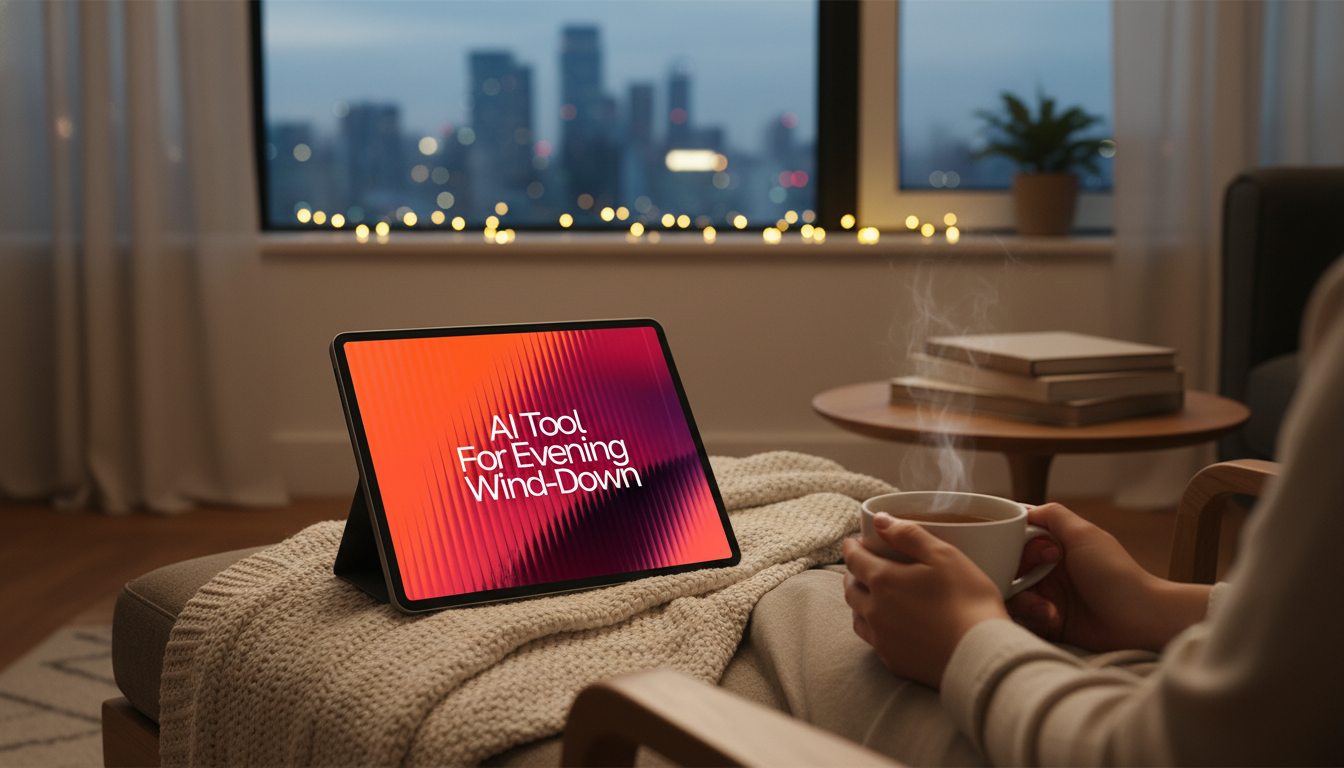
An AI-Assisted Evening Wind-Down That Feels Personal, Calm, and Repeatable
Evenings can get crowded with unfinished tasks, screens, and a racing mind. A structured wind-down helps the body shift from “on” to “off,” but many routines fail because they’re too rigid or too vague. An AI-assisted approach bridges that gap: it can suggest calming steps based on time available, stress level, and preferred relaxation style—then keep the routine consistent without feeling repetitive. The goal is simple: fewer late-night spirals, gentler transitions, and a bedtime rhythm that becomes easier to maintain night after night.
What an AI-assisted wind-down is (and what it isn’t)
A wind-down is a planned transition period—typically 30–90 minutes—designed to lower stimulation and prepare for sleep. AI-assisted routines add light personalization (preferences, schedule, quick mood check-ins) to suggest options like paced breathing, guided reflection, gentle stretching, screen boundaries, or reading cues.
It isn’t a replacement for medical care. If insomnia is persistent or you notice symptoms tied to anxiety, depression, or sleep apnea (like loud snoring and daytime sleepiness), professional support matters. For general sleep hygiene guidance, reputable references like the Sleep Foundation and the CDC can be helpful starting points.
The best results come from small, repeatable behaviors: consistent timing, dimmer lighting, calmer content, and fewer decision points late at night. Think of a digital guide as a menu and a gentle coach—offering options while keeping the sequence easy to follow.
Why evenings feel harder: common friction points that derail rest
Nighttime often triggers “cognitive overflow”—the brain tries to close open loops (unfinished work, worries, tomorrow’s plan) exactly when the body needs downshifting. Bright light and stimulating content can delay sleepiness, and scrolling tends to extend time-in-bed while reducing true rest.
Irregular routines also make it harder to build cues for sleep, the same way consistent morning routines cue alertness. Stress habits hide inside “harmless” behaviors—checking email, doomscrolling, and last-minute chores—that spike arousal. A wind-down should reduce mental load, not add it, and personalization helps avoid routines that feel like homework.
The core building blocks of a calming night routine
- Environment cue: Dim lights, a slightly cooler temperature, and a tidy “landing zone” (water, a book, and ideally a charger outside the bedroom).
- Body cue: 2–5 minutes of slow breathing, progressive muscle relaxation, or a short stretch sequence to reduce physical tension.
- Mind cue: A brief reflection practice—brain dump, gratitude, or a one-line “tomorrow plan”—to reduce rumination.
- Boundary cue: A clear cutoff for work messages and high-stimulation media; substitute with calm audio or light reading.
- Consistency cue: Repeat the same 3–5 steps in the same order so your brain learns “sleep is next.”
A practical framework: choose a 30-, 60-, or 90-minute wind-down
The most sustainable routines flex with real life. If time is tight, AI assistance shines by proposing a streamlined sequence so the routine still happens on busy nights. The key is adapting without negotiation: when energy is low, the system should offer the easiest next step—rather than abandoning the routine altogether.
30 minutes (minimum viable)
Dim lights + breathing + quick brain dump + hygiene + bed. This builds consistency fast and reduces the “what should I do now?” friction.
60 minutes (balanced)
90 minutes (deep reset)
| Time | Sequence (example) | Best for |
|---|---|---|
| 30 minutes | 2 min breathing → 5 min tidy/prepare → 5 min brain dump → hygiene → lights out | Busy nights, consistency building |
| 60 minutes | 10 min stretch → 5 min breathing → skincare/shower → 10 min journaling → 10 min reading | Moderate stress, screen reduction |
| 90 minutes | 15 min walk/stretch → shower → 15 min reflection → prep for tomorrow → 20 min reading/body scan | High stress days, deep decompression |
How an AI-guided digital guide can personalize without overcomplicating
Mindfulness practices can be especially effective for downshifting. For a science-based overview, the American Psychological Association has a clear introduction to how mindfulness supports stress management.
A ready-to-use option: AI Tool for Evening Wind-Down
If consistency is the hard part, a structured digital guide can make the routine feel almost “pre-decided.” AI Tool for Evening Wind-Down | Digital Guide to Relaxation, Mindfulness, and AI-Assisted Night Routines is designed to support relaxation, mindfulness, and AI-assisted night routines with an easy-to-follow flow.
If a calming shower is part of your night routine and you like to reduce morning decision fatigue, pairing a consistent nighttime reset with a faster get-ready system can help. A tool like the 5-in-1 Hair Dryer & Styler Brush with Auto Curling and Frizz Control can streamline styling so evenings don’t turn into “prep marathons” that push bedtime later. For anyone motivated by better mornings, a complementary read like The Cozy Corner That Changes Mornings: Ultimate Breakfast Nook with Banquette Seating Guide can reinforce the idea that better nights set up calmer days.
Common pitfalls and quick fixes
FAQ
How long should an evening wind-down routine be?
A practical range is 30–90 minutes, but consistency matters more than length. On late nights, a 10–15 minute “minimum routine” (dim lights, a few minutes of breathing, quick brain dump, hygiene) keeps the habit intact.
Can mindfulness help if the mind won’t stop racing at night?
Yes—mindfulness can reduce the struggle with thoughts by shifting attention back to the body. Try paced breathing (slow exhales) or a simple body scan; if insomnia persists for weeks or significantly affects daytime function, consider professional support.
What should an AI-assisted night routine personalize?
It should personalize time available, stress level, and preferences (movement vs. journaling vs. breathwork), then output a simple step-by-step sequence with brief prompts. It shouldn’t diagnose conditions, and it should avoid overstimulation while respecting privacy and keeping inputs minimal.









Leave a comment