3-Level Modern Cat Tree for Small Spaces & Big Play
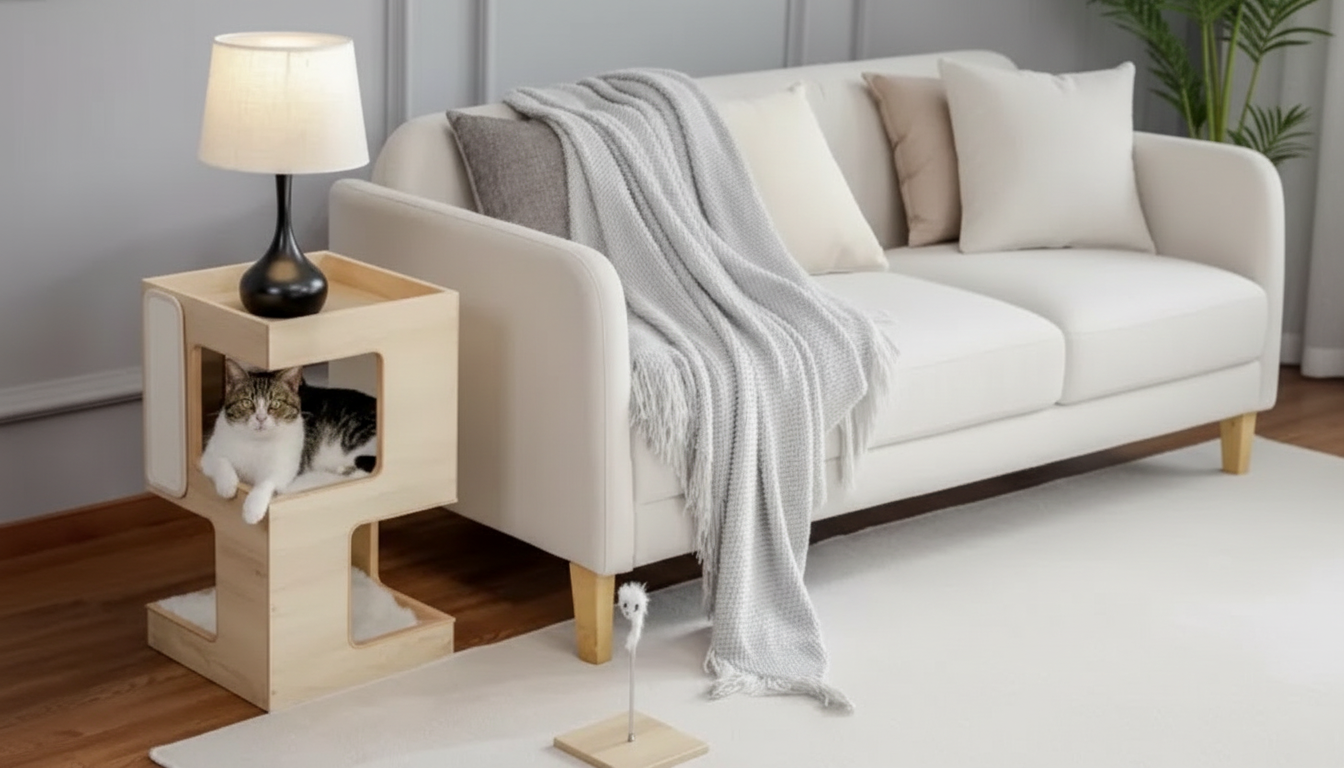
Modern 3-Level Cat Tree: Small Footprint, Big Daily Enrichment
A compact cat tree can add vertical space, protect furniture from scratching, and give cats a predictable place to nap, hide, and play. This 3-level modern design combines a scratching pad, cushioned platforms, a cozy condo, and a dangling toy to support daily enrichment in a small-to-mid home footprint—without the bulky, carpeted “tower” look that can dominate a room. For more guidance, see Supports 28 Lbs Indoor Cat Tree Natural Wood.
For many indoor cats, the sweet spot is a setup that covers core needs: a safe perch to survey the home, a dedicated scratch zone, and a quiet retreat. When those essentials live in one stable piece, it’s easier for cats to build consistent routines (and easier for people to keep the rest of the home intact). For further reading, see Modern Wooden Cat Tree with Perch Condos and ….
What This 3-Level Cat Tree Adds to a Home
- Vertical territory for climbing and perching without taking over a room
- A dedicated scratching surface to redirect clawing away from sofas and rugs
- A covered condo that supports hiding, decompression, and quiet naps
- Cushioned resting spots for comfort on each level
- A built-in toy for quick bursts of solo play and stalking practice
Environmental enrichment isn’t just a “nice to have.” Feline behavior guidelines consistently emphasize the value of predictable resting areas, scratching outlets, and opportunities to climb and observe. For more detail, see the American Association of Feline Practitioners (AAFP) Environmental Needs Guidelines.
Quick Feature Overview
- Three tiers for step-up climbing and lookout lounging
- Scratching pad area to satisfy natural scratch-and-stretch behavior
- Condo enclosure for privacy and warmth
- Cushions that make platforms more inviting for frequent naps
- Toy element for engagement when humans are busy
At-a-Glance: Comfort, Play, and Scratch Zones
| Area | Primary use | Best for | Tip |
|---|---|---|---|
| Top platform | Perching and observing | Cats who like to monitor rooms | Place near a window for bird-watching |
| Middle level | Resting and transitioning between levels | Cats who prefer step-by-step climbs | Add a soft throw if a cat likes extra warmth |
| Condo | Hiding and sleeping | Shy cats or multi-cat homes | Position away from loud appliances |
| Scratching pad | Scratching and stretching | Cats who scratch furniture edges | Reward use with treats or catnip nearby |
| Hanging toy | Batting and pouncing | Play-driven cats and kittens | Rotate additional toys weekly to keep interest |
Who This Style Fits Best
- Apartment dwellers who need enrichment in a smaller footprint
- Indoor cats that benefit from predictable daily outlets for climbing and scratching
- Cats that alternate between social time (perching) and alone time (condo)
- Kittens and young adults that need frequent play prompts
- Homes that prefer a cleaner, modern look over bulky, carpeted towers
It can also work well for “two-mode” cats—those that want a high vantage point when the home is active, but also need a quieter hideaway when guests arrive or household noise picks up.
Placement and Setup Tips for Fast Adoption
- Choose a stable spot: a corner or wall-adjacent placement reduces wobble and feels safer.
- Start near an existing favorite area: a window, couch arm, or regular nap spot encourages exploration.
- Use positive association: sprinkle catnip on the scratching area or place a treat on each level.
- Keep the condo inviting: add a familiar blanket for scent comfort during the first week.
- If multiple cats: provide clear routes around it so one cat can pass without being ambushed.
- Check nearby hazards: avoid placing beside hot radiators, swinging doors, or fragile shelves.
A practical rule: if the best perch is also the safest perch, it gets used more. Cats tend to avoid elevated spots that wobble, especially if they’ve had one slip that spooked them.
Scratching, Comfort, and Enrichment: Getting the Most Value
- Redirect scratching: praise or reward when claws hit the pad; gently interrupt scratching elsewhere and move the cat to the tree.
- Maintain cushions: vacuum hair regularly; spot-clean as needed so platforms stay appealing.
- Rotate stimulation: pair the built-in toy with occasional wand-play to reinforce the tree as a “fun zone.”
- Support senior cats: if a cat hesitates to climb, place a low step (like a sturdy ottoman) near the first level.
- Respect individual preference: some cats prefer the condo, others prefer the highest perch—both outcomes are normal.
Care, Safety Checks, and Longevity
Shop In-Stock Picks
- 3-Level Modern Cat Tree with Scratching Pad, Cushions, Condo and Toy ($61.51)
- Bohemian Style 24-Piece Ceramic Dinnerware Set for 6 – Plates & Bowls ($170.47)
- Mastering Your Day with Smart Habits and AI: Digital Guide, eBook, and Checklist ($12.99)
FAQ
Is a 3-level cat tree enough for an active indoor cat?
It can be, especially when it includes a scratch zone, a perch, and a hideaway, and it’s placed where your cat naturally wants to spend time. For very high-energy cats or multi-cat homes, daily interactive play and/or an additional perch can help prevent boredom and competition.
How can scratching be redirected to the pad instead of furniture?
Place the tree near the current scratching spot, reward every use of the pad with treats or praise, and make the pad more appealing with catnip. Consistency matters—avoid punishment, and temporarily block or protect the furniture edge while the new habit forms.
Where should the cat tree be placed for the best use?
A corner or wall-adjacent spot improves stability, and placing it near a window can add natural entertainment. Keep the condo side away from loud appliances so it stays a reliable retreat, and position the tree along your cat’s regular pathway so it becomes part of daily routines.








Leave a comment