22L Cooler Box Tips for Car Camping & Day Trips
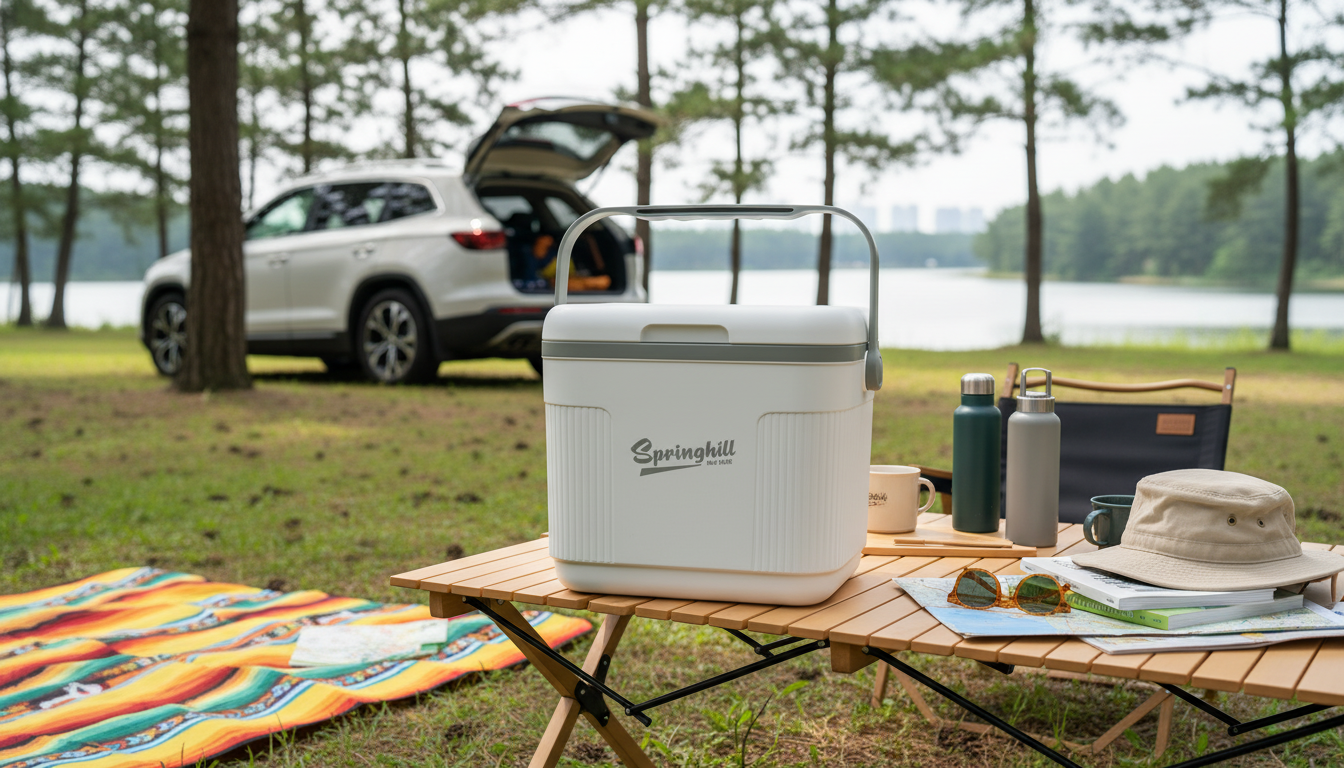
22L Portable Insulated Cooler Box for Car Camping and Outdoor Days
A compact cooler can make car camping simpler: cold drinks within reach, groceries protected on the drive, and fewer trips to find ice. A 22L portable insulated cooler box hits a practical middle ground—easy to lift and stow, yet roomy enough for meal basics for a small crew. Below are the situations it shines in, packing methods that extend chill time, and simple safety habits that keep food (and the ride) comfortable.
What a 22L cooler box is suited for
A 22L cooler is built for trips where portability matters as much as cold retention. It’s a smart match for day trips, scenic drives, and overnight car camping when trunk space is limited and carrying a big chest cooler would be a hassle.
- Day trips and overnight car camping where a manageable size matters as much as keeping items cold
- Keeping drinks, sandwich fixings, fruit, and a small amount of meat or dairy chilled for a small group
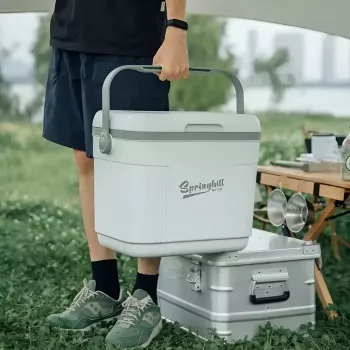
- Serving as a “grab-and-go” cooler that can move between the trunk, campsite table, and picnic area
- Reducing mess with a dedicated cold zone that’s easier to clean than a soft bag after spills
Capacity planning: making 22L feel bigger
With a compact cooler, efficiency is everything. Start by reserving space for the items that truly need refrigeration, then use the remaining volume for beverages and snacks.
- Use the volume for essentials first (protein, dairy, medicines if needed), then fill gaps with drinks and snacks
- Pre-chill items at home; the cooler performs best when it maintains cold rather than trying to create it
- Use block ice or frozen water bottles for longer hold time; cube ice cools quickly but melts faster
- Pack in layers: bottom ice, then the most temperature-sensitive foods, then items you’ll access often near the top
- Leave a small “access lane” for frequent grabs (one corner for drinks) to avoid warming the whole interior
Example pack list for a 22L cooler (adjust to trip length and climate)
| Item | Typical amount | Packing note |
|---|---|---|
| Frozen water bottles | 2–4 x 500ml | Acts as ice and becomes drinking water as it thaws |
| Ice (cubed) | 1–2 kg | Top up around items for fast cooling; expect faster melt than blocks |
| Drinks | 6–12 cans | Chill before loading; keep a “quick access” corner |
| Sandwich/protein items | 2–6 servings | Store sealed; keep near ice to stay below 40°F/4°C |
| Fruit/veg snacks | 4–10 pieces | Use a small container to prevent bruising and sogginess |
| Condiments | Small bottle/tub | Place in a leak-proof bag to avoid odor and cleanup |
Keeping things colder, longer: practical habits
Small coolers can perform impressively when you treat them like a “cold keeper,” not a mini fridge. The goal is to load everything already cold, minimize warm air exchange, and reduce heat hitting the outer shell.
- Pre-cool the cooler with ice for 20–30 minutes before final packing, then drain meltwater if needed
- Limit lid openings; group tasks (grab everything at once) instead of repeated peeks
- Use separate pouches/containers so items can be removed quickly without digging
- Keep the cooler out of direct sun; a reflective blanket or towel can reduce heat gain at camp
- In the car, place it on the floor behind a seat or in the cargo area away from sunny windows
If you’re traveling on a hot day, consider bringing one dedicated “road cooler” (drinks, frequent snacks) and leaving perishables deeper in the load so they’re opened less often.
Using a cooler safely for food on the road
Food safety gets overlooked on outdoor days, but a few simple checks keep the trip smooth. Perishable foods should stay at or below 40°F/4°C, especially on long drives or in summer heat. USDA guidance on refrigeration and safe cold storage is a useful reference for trip planning: USDA FSIS refrigeration and cold storage.
For outdoor eating scenarios (picnics, tailgates, group campsites), the FDA’s event-focused food safety reminders can help you avoid common temperature mistakes: FDA food safety for special events.
Setups that work for car camping
Care, cleaning, and odor control
When a 22L cooler is the right choice (and when it isn’t)
Product picks for a compact car-camping setup
- 22L Portable Insulated Cooler Box for Car, Camping & Outdoor Use ($308.51) — 22L capacity helps balance portability with practical storage for drinks and meal basics; a good match for car camping, picnics, beach days, and keeping groceries cold on longer drives.
- The Cozy Corner That Changes Mornings: Ultimate Breakfast Nook with Banquette Seating Guide ($7.99) — a simple planning guide for building a more comfortable home breakfast setup, helpful for anyone who likes to prep grab-and-go items before early departures.
FAQ
How long will a 22L cooler keep food cold?
It depends on outside temperature, how much ice you use, how often the lid opens, and whether everything was pre-chilled. For longer hold time, use block ice or frozen bottles, keep the cooler shaded, and consider a small thermometer for longer drives.
Is it better to drain melted ice water or keep it inside?
Ice water can help maintain cold contact, but it can also soak packaging and create a mess. If you’re storing foods in sealed containers or waterproof bags, keeping some water may be fine; otherwise, draining can keep items drier and cleanup easier.
What’s the safest way to pack raw meat in a car camping cooler?
Keep raw meat in leak-proof packaging, place it at the bottom close to the ice, and separate it from ready-to-eat foods. Maintain the cooler at or below 40°F/4°C and replenish ice if temperatures start to rise.








Leave a comment