10 Fast Energy Boosts: Smart Snacks for Busy Days
10 AI-Approved Boosts for Instant Energy: Smart Snacks That Fit a Busy Day
Energy crashes often come from long gaps between meals, low hydration, and snacks that spike blood sugar without lasting fuel. A smarter approach pairs quick carbs with protein, fiber, and healthy fats—plus a few “non-food” resets that work in minutes. Below are 10 simple boosts and a practical snack map that makes choosing the next bite almost automatic.
What “instant energy” really means (and what it doesn’t)
Fast lift: A small amount of carbohydrate plus fluids can raise energy quickly, especially after a long gap without eating. Carbs are the body’s most accessible quick fuel, and choosing simpler, familiar options can help you feel better fast (learn more about carbs and blood sugar from Harvard T.H. Chan School of Public Health).
Staying power: Adding protein, fiber, or fat helps reduce a quick crash and keeps focus steadier for 1–3 hours. Think “2-part snack”: (carb) + (protein/fat/fiber).
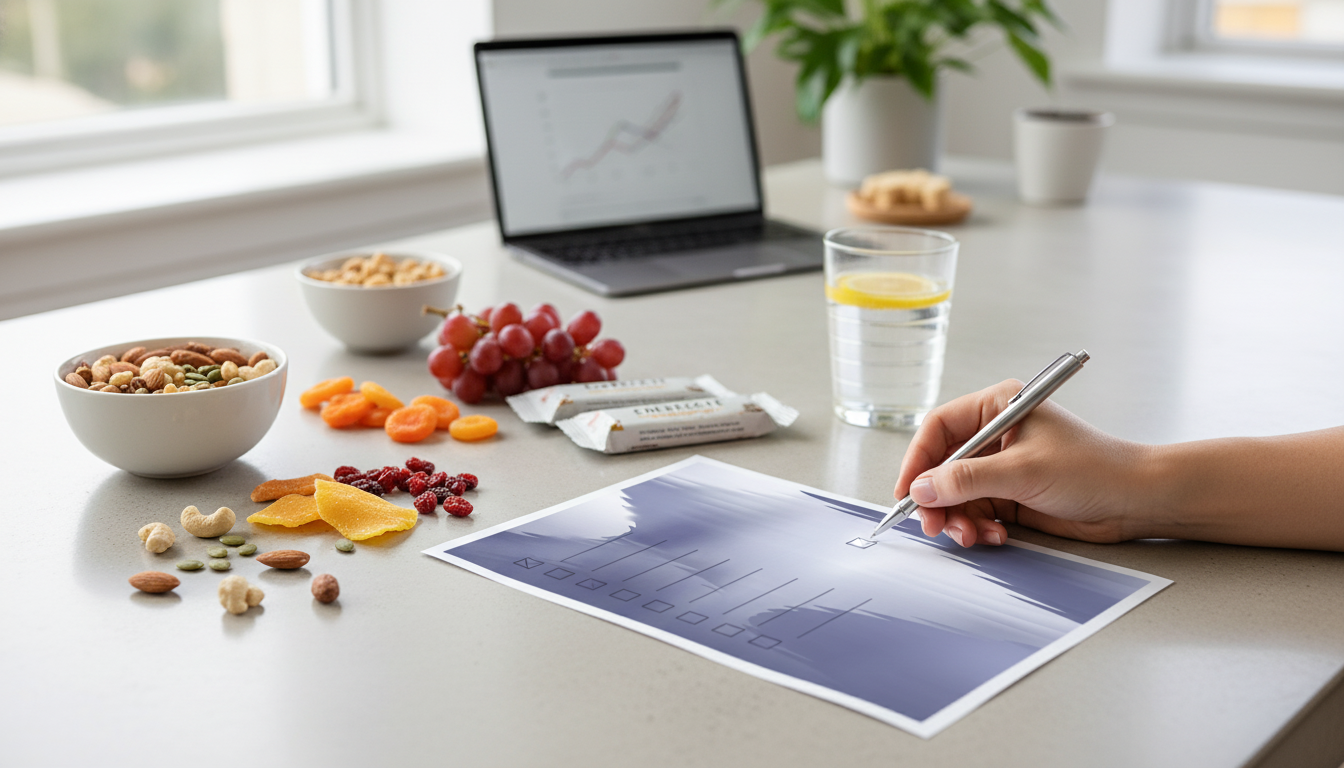
Hidden drainers: Dehydration, poor sleep, and too much caffeine late in the day can mimic hunger and fatigue. Hydration needs vary, but general guidance from the U.S. National Academies shows how daily water needs can add up through beverages and foods.
Safety note: Persistent fatigue, dizziness, or rapid heartbeat should be discussed with a clinician—snacks aren’t a substitute for medical care.
The 10 boosts: quick wins for steady energy
1) Protein + fruit
Try Greek yogurt with berries, or a banana with a few nuts. You get quick glucose plus slower digestion from protein and fat.
2) Nut butter on whole-grain toast or crackers
Simple to assemble and easy to portion. Whole grains add fiber, and nut butter adds fat/protein to soften the blood-sugar swing.
3) Hummus + crunchy veg or pita
Hummus brings fiber and protein; veggies add volume and crunch without a sugar spike. Pair with pita when you need more immediate carbs.
4) Cheese or cottage cheese + fruit
An easy desk snack that supports satiety when afternoons drag. Choose fruit you enjoy so it feels like a treat without relying on candy.
5) Hard-boiled eggs + a piece of fruit
Portable, predictable, and great before errands, pickups, or meetings. If eggs feel “too heavy,” eat one egg and add a few grapes or orange slices.
6) Trail mix (DIY)
Combine nuts/seeds with a small portion of dried fruit. Keep portions measured (a small handful) so it energizes rather than weighing you down.
7) Oat-based bite
Overnight oats or an oat bar with minimal added sugar works well mid-morning. Oats provide longer-lasting carbs that tend to feel steadier than sugary snacks.
8) Hydration reset
Water first. Add electrolytes after heavy sweating or very long days when you’ve been on your feet. If you suspect dehydration, a glass of water can be the fastest “energy snack” you try.
9) Caffeine timing boost
A small coffee or tea earlier in the day can improve alertness, especially when paired with food. Caffeine too late can disrupt sleep and backfire the next day (see the CDC’s guidance on caffeine and sleep).
10) Movement + light
Two to five minutes of brisk walking, stair climbing, or a quick lap outside—plus natural light exposure—can increase alertness quickly, even when you can’t sit down for a “proper break.”
Smart snack map: match the snack to the moment
Use this as a quick decision tool: pick the row that matches the situation, then choose any combo that fits dietary needs and availability. Aim for a “2-part snack” when possible: (carb) + (protein/fat/fiber) to reduce the crash. Keep backup options that require no prep for the busiest days.
| Situation | Snack combo | Why it helps | Prep time |
|---|---|---|---|
| Mid-morning fog | Greek yogurt + berries | Carbs + protein supports steadier focus | 2 minutes |
| Afternoon crash | Apple + peanut/almond butter | Fiber + fat slows the dip-and-crash cycle | 2 minutes |
| Pre-workout / quick errands | Banana + handful of nuts | Fast carbs plus staying power | 1 minute |
| “Too busy to cook” | Hard-boiled eggs + crackers | Portable protein with easy carbs | 0–1 minute |
| Late-day hunger (avoid heavy snack) | Hummus + carrots/cucumber | Crunchy, filling, not overly sugary | 3 minutes |
| Dehydration suspected | Water + light salty snack (as needed) | Fluids first; sodium can help after sweating | 1 minute |
Printable checklist routine: set up once, snack smarter all week
If you want a ready-to-use system, the 10 AI-Approved Boosts for Instant Energy | Printable Checklist for Smart Snacking is designed for quick decisions and repeatable routines on busy weekdays.
Portions and timing: get the lift without the slump
Quick fixes for busy days (no blender, no cooking, no time)
When to be cautious
Grab the ready-to-use checklist and snack suggestions
A printable checklist makes it easier to keep go-to snacks stocked and to rotate options without overthinking. If mornings feel chaotic, building a simple, comfortable routine space can help too—see The Cozy Corner That Changes Mornings: Ultimate Breakfast Nook with Banquette Seating Guide for practical ideas that support calmer starts.
FAQ
What is the best snack for an afternoon energy crash?
Start with water, then choose a 2-part snack like apple with nut butter, yogurt with berries, or hummus with whole-grain pita to get quick carbs plus steadier staying power.
Do energy snacks work better than coffee?
Food tends to provide more stable fuel, while caffeine mainly boosts alertness. Pairing coffee or tea with a snack can reduce jitters and help prevent a sharper crash later, especially if caffeine is kept earlier in the day.
How can energy-boosting snacks stay healthy if time is limited?
Shop by components (fruit, protein, high-fiber carbs, healthy fats), batch-portion once, and keep shelf-stable backups. Prioritize low added sugar and include protein or fiber for a calmer energy curve.








Leave a comment