K-Carat Moissanite & Diamond Rings: Size and Setting Tips
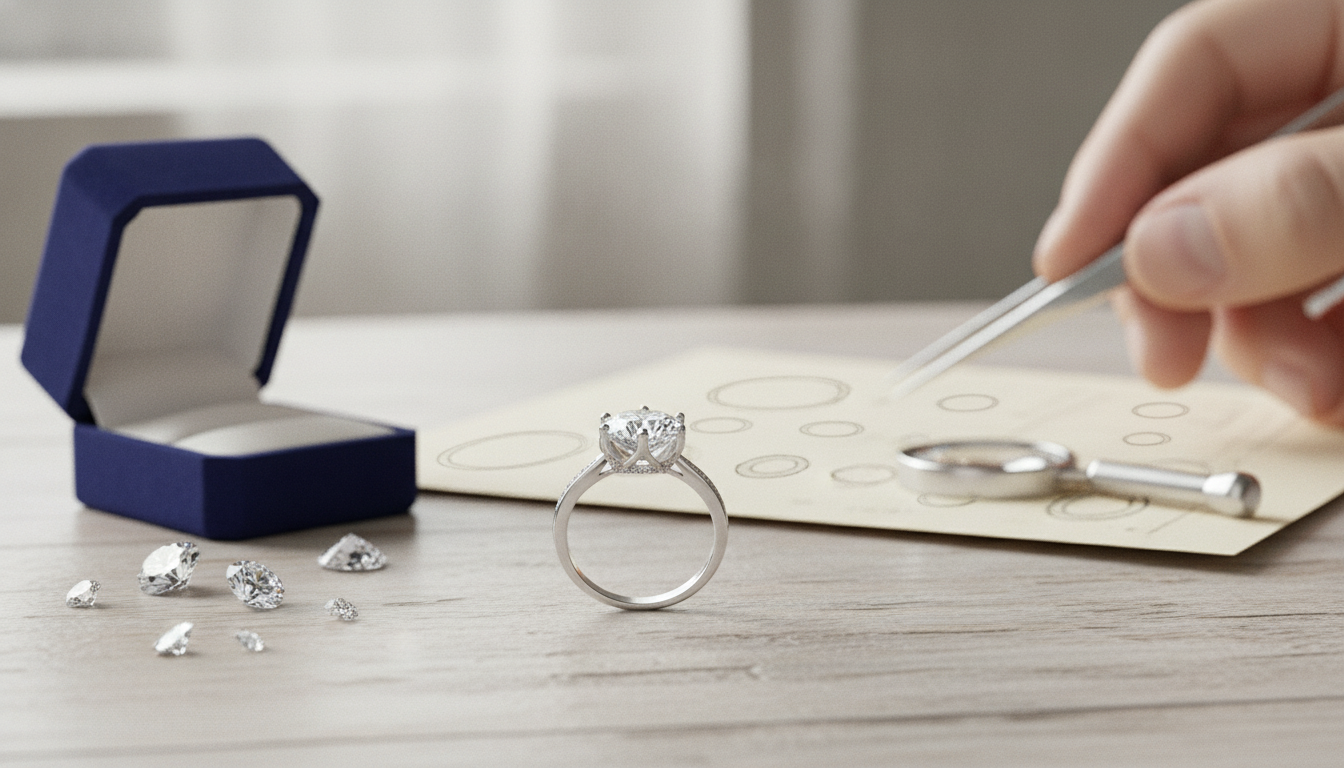
K-Carat Moissanite Diamond Engagement Rings: Brilliance, Proportions, and Practical Buying Tips
A k-carat moissanite engagement ring strikes a sweet spot: it delivers bold, eye-catching coverage while still being realistic for everyday wear. The key is understanding how carat weight translates to real-world size, how moissanite behaves compared with diamond in different lighting, and how metal and setting decisions impact comfort and long-term durability.
What “k-carat” means for an engagement ring
Carat is a measure of weight, not “how big it looks” from the top. Two stones listed at the same carat can face up differently depending on cut style, depth, and exact dimensions. That’s why millimeter measurements matter—especially when “k-carat” is used as shorthand for a larger, statement-making center stone.
Also confirm whether you’re looking at center-stone carat versus total carat weight (TCW). TCW can include side stones or accents, while “3 carat” may refer only to the center. With moissanite, many shoppers notice that the face-up look can feel generous for the listed carat equivalent, so it’s smart to check a vendor’s size chart and the stone’s stated millimeters whenever available.
Moissanite and diamond together: how the look changes in real lighting
Moissanite is celebrated for strong brilliance and colorful flashes. In daylight or under spotlights, it can read very lively, high-contrast, and “sparkly” with more rainbow fire. Diamond typically shows a different balance of white light return and fire, and the overall impression often feels crisp and classic—especially when the cut quality is strong.
When a ring combines moissanite and diamond accents, cohesion comes from matching cut style and a compatible color tone. If sensitivity to rainbow fire is a concern, lean toward classic proportions and avoid overly shallow cuts, which can amplify dispersion and make the flashes feel more intense. For a quick refresher on how quality factors affect appearance, the GIA’s overview of the 4Cs is a helpful baseline.
Size, sparkle, and wearability by carat range
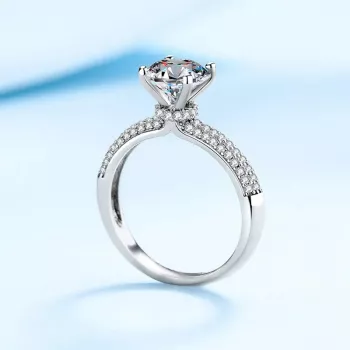
As carat range increases, finger coverage goes up—and so does the importance of setting height, band proportions, and snag resistance. A taller center can maximize light performance, but it may catch on knits, gloves, or hair. A lower-profile basket can be more practical while still letting light reach the stone.
Prongs should scale with stone size. Larger stones benefit from secure prong geometry, supportive baskets or galleries, and periodic inspections. If daily life includes hands-on work, weight training, frequent glove use, or busy commuting, a moderate height and a sturdier build can make a big difference.
Quick guide: carat range vs everyday feel
| Carat range (center stone) | Typical visual impact | Common setting preference | Everyday considerations |
|---|---|---|---|
| ~1.0–1.5 | Noticeable, balanced | Solitaire or petite halo | Usually easy to wear; lower maintenance |
| ~2.0–3.0 | Statement coverage | Solitaire with sturdy prongs or supportive basket | Watch height and snagging; choose secure prongs |
| ~4.0+ | Very bold, high presence | Reinforced basket/halo, wider band | Higher risk of knocks; prioritize durability and comfort |
18K white gold: appearance and maintenance
18K white gold is popular for engagement rings because it balances a rich gold content with a bright, modern look. Many white-gold rings are rhodium-plated to achieve a crisp white surface; over time, that plating can wear and may need periodic replating depending on wear habits and skin chemistry.
For active daily wear, it’s wise to treat white gold like a “maintenance-friendly” choice: expect fine surface scratching, schedule occasional polishing if desired, and keep an eye on prong tightness—especially when the center stone is larger and sits higher. If nickel sensitivity is a concern, confirm the alloy details before purchasing.
Setting details that matter more as carat increases
Bigger center stones magnify everything: not just sparkle, but also how a ring feels on the hand. A few construction details become especially important as you move into statement sizes.
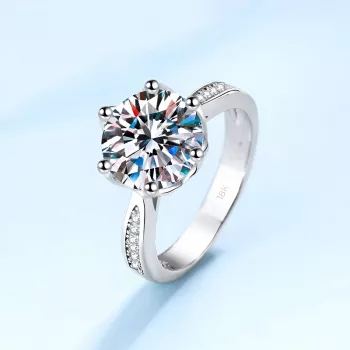
Featured option: 18K White Gold 3 Carat Moissanite Diamond Engagement Ring
For a bright white-metal profile with a bold center-stone presence, the 18K White Gold 3 Carat Moissanite Diamond Engagement Ring is designed to deliver noticeable finger coverage while staying within a range many people still wear daily—especially when the setting height is chosen thoughtfully.
Additional in-stock picks
- Mastering Your Day with Smart Habits and AI: Digital Guide, eBook, and Checklist
- Using AI for Research & Data Summaries — Digital Download
How to choose the right k-carat moissanite ring for the wearer
Finally, plan for long-term care. White gold may need rhodium replating over time, and any ring—especially a larger center stone—benefits from routine inspections to keep prongs secure. For practical cleaning and care basics, see GIA’s ring care and cleaning guidance. For labeling and marketing standards you may see while shopping, the FTC Jewelry Guides provide helpful context.
Care tips for keeping brilliance and security
FAQ
Does moissanite look like a diamond in a large carat size?
Moissanite can read very diamond-like at a glance thanks to its brightness and typically high clarity, but it often shows more rainbow fire in real lighting. Cut quality and a classic setting style can make the overall look feel more “diamond-adjacent,” while shallow cuts can amplify colorful flashes.
Is 18K white gold good for an engagement ring worn every day?
Yes—18K white gold is a popular daily-wear choice, but it will show fine scratches over time and often relies on rhodium plating for a bright white finish. Periodic replating and routine prong checks are especially valuable when the center stone is larger.
How can the right setting make a larger carat ring more comfortable?
A lower-profile basket reduces snagging and can feel more stable, while a supportive gallery helps protect the stone during bumps. Choosing adequate band width/thickness helps prevent spinning, and comfort-fit shaping improves all-day wear.






Leave a comment