2200W Electric Jack Hammer: 1350 BPM Demo Guide
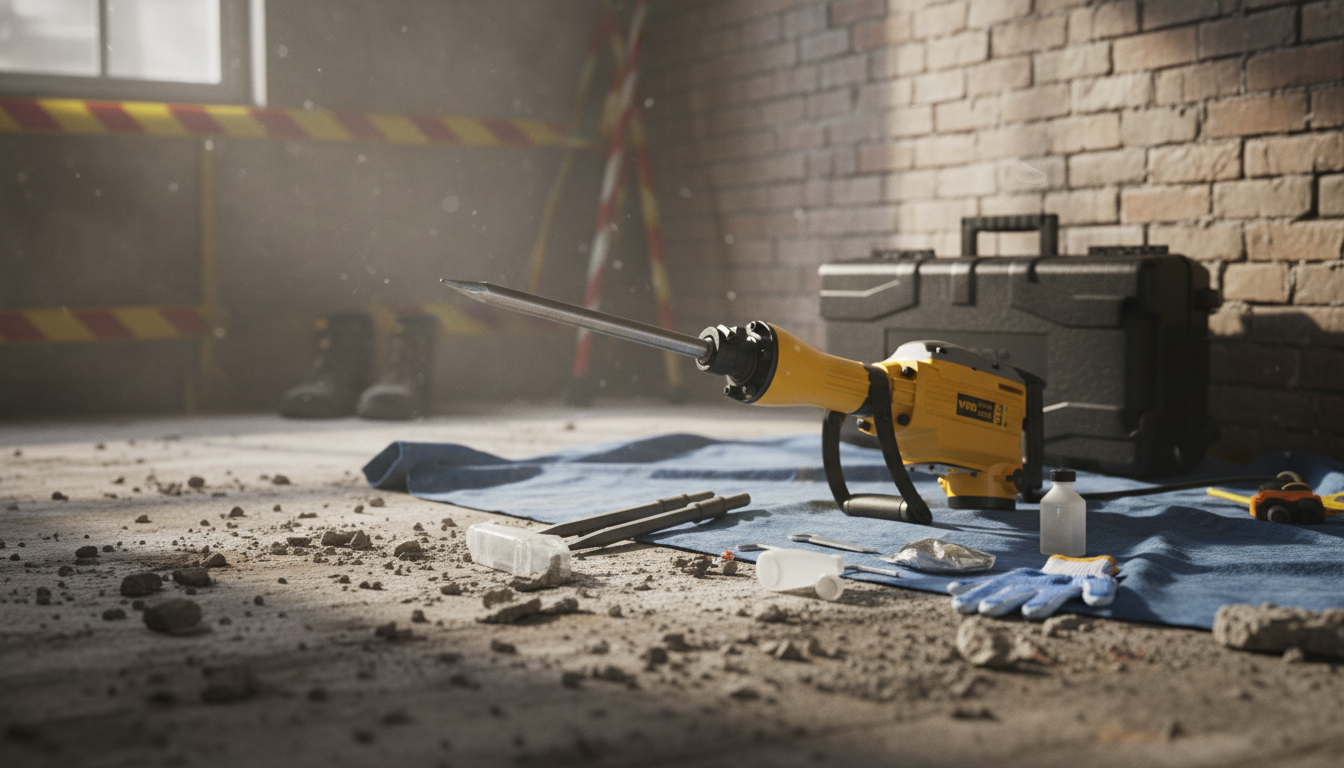
2200W Electric Jack Hammer with 1350 BPM: Power, Control, and Real-Job Performance
A high-watt demolition hammer can turn hours of breaking into a manageable, predictable workflow—if the specs match the material and the tool fits the way it will be used. The combination of a 2200W motor and a 1350 BPM impact rate is built for serious removal work: breaking concrete, chipping masonry, and stripping mortar or tile beds without relying on compressors or gas equipment. Below is a practical, jobsite-focused look at what those numbers translate to, plus setup habits that help you work faster with less fatigue.
Quick Specs and What They Mean
Specs are only useful when they predict what happens under load. On demolition tools, “under load” means the chisel is biting into hard aggregate, hitting embedded stone, or binding in a crack that suddenly closes. That’s where power delivery, impact rhythm, and tool mass show up immediately.
- 2200W motor: prioritizes sustained force for demanding tasks like slab breakup, footing removal, and tough masonry work.
- 1350 BPM (blows per minute): indicates strike frequency; a steady impact rhythm can help maintain progress in consistent material.
- Electric-powered convenience: useful where gas tools are impractical and where consistent power delivery is preferred over compressor setups.
- Best-fit job types: concrete, brick, stone, mortar beds, tile/chisel-out, and general demolition where a dedicated breaker is warranted.
Specs-to-Job Map (Practical Interpretation)
| Spec | What it affects | What to look for on the job |
|---|---|---|
| 2200W power | Ability to keep driving under load | Less stalling when the bit binds or when material density varies |
| 1350 BPM | How quickly impacts are delivered | Smoother progress in medium-to-hard material; faster chipping when technique is steady |
| Chisel type/shape | Break pattern and control | Point for starting cracks, flat for lifting slabs, spade for wider material removal |
| Tool weight and grip | Fatigue and accuracy | Enough mass to let the tool work without excessive downward force |
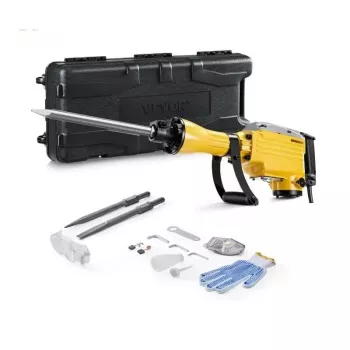
If you’re shopping for a dedicated breaker, the 2200W Electric Jack Hammer with 1350 BPM is a straightforward option to consider when the goal is consistent demolition capability without stepping into pneumatic systems.
Where 1350 BPM Helps Most
Blow rate doesn’t replace good technique, but it can make the tool feel more “predictable,” especially during long runs where you want the chisel to keep advancing without constantly re-aiming.
- Surface demolition and trenching: consistent impacts help chip and channel without repeated repositioning.
- Masonry removal: a steadier strike rhythm can reduce “skating” on brick faces compared to sporadic hits.
- Tile and mortar cleanup (with the right chisel): higher strike frequency can speed removal while maintaining control near edges.
- Cold-weather work: brittle materials may fracture more readily; controlled BPM helps avoid uncontrolled blowouts near finished surfaces.
One practical note: if the tool is “pecking” but not breaking, the fix is often not more pressure—it’s repositioning, changing chisel style, or starting a crack at a weaker edge so the impacts have somewhere to propagate.
Choosing the Right Chisel for Faster Breaks
Chisel selection is where many jobs speed up (or stall out). The right bit shape changes how the force spreads through the material, which changes crack direction, chip size, and how often the bit binds.
- Point chisel: best for starting fractures, penetrating thick sections, and targeting corners or tight areas.
- Flat chisel: effective for lifting and separating layers (thin slabs, mortar beds) after a crack is established.
- Spade/clay chisel: suited to wide material removal and scraping tasks where coverage matters more than depth.
- Keep bits sharp and undamaged: rounded or mushroomed tips reduce efficiency and increase vibration.
- Match technique to bit: let the tool’s weight and impact do the work—excessive pushing increases fatigue and can slow progress.
Setup and Operating Habits That Improve Control
Safety and Comfort Essentials for Demolition Work
- Eye and face protection: flying chips are common; use safety glasses and a face shield when conditions warrant. Look for protection that aligns with ANSI/ISEA Z87.1.
- Hearing protection: demolition hammers can exceed safe noise limits; use appropriately rated ear protection and follow guidance like NIOSH’s noise and hearing loss prevention resources.
- Respiratory protection and dust control: concrete and masonry dust can contain respirable crystalline silica; use wet methods or local extraction where feasible and reference OSHA’s respirable crystalline silica standards.
- Gloves and footwear: anti-vibration gloves can improve comfort; steel-toe boots help prevent injury from falling debris.
- Check the workspace: confirm what lies below or behind the breaking surface (rebar, conduits, plumbing, embedded lines).
Care, Storage, and Troubleshooting Basics
After demolition, many projects roll straight into a refresh—new flooring, built-ins, or a better-use corner. If the job turns into a remodel, the Ultimate Breakfast Nook with Banquette Seating Guide can help plan a clean, practical next step once the mess is gone.
FAQ
What does 1350 BPM mean on a jack hammer?
1350 BPM means the tool delivers about 1,350 impacts per minute. A higher BPM can feel smoother and help maintain steady removal in consistent material, but overall performance also depends on impact energy, bit condition, and how well the chisel is matched to the task.
Is a 2200W electric jack hammer suitable for breaking a concrete slab?
Yes—2200W electric demolition hammers are commonly used for slab breakup, especially for typical residential and light commercial concrete. Slab thickness, reinforcement (rebar/mesh), and using the right chisel and repositioning technique all affect how quickly the tool progresses and how often the bit binds.
How can dust be reduced while using an electric demolition hammer?
Use wet methods when appropriate, or pair the work with local vacuum extraction to capture dust at the source. Keep the surface lightly damp where it’s safe to do so, and wear proper respiratory protection because concrete dust can contain respirable crystalline silica.










Leave a comment