Gold Stainless Steel Flatware Set (16-Piece) for 4
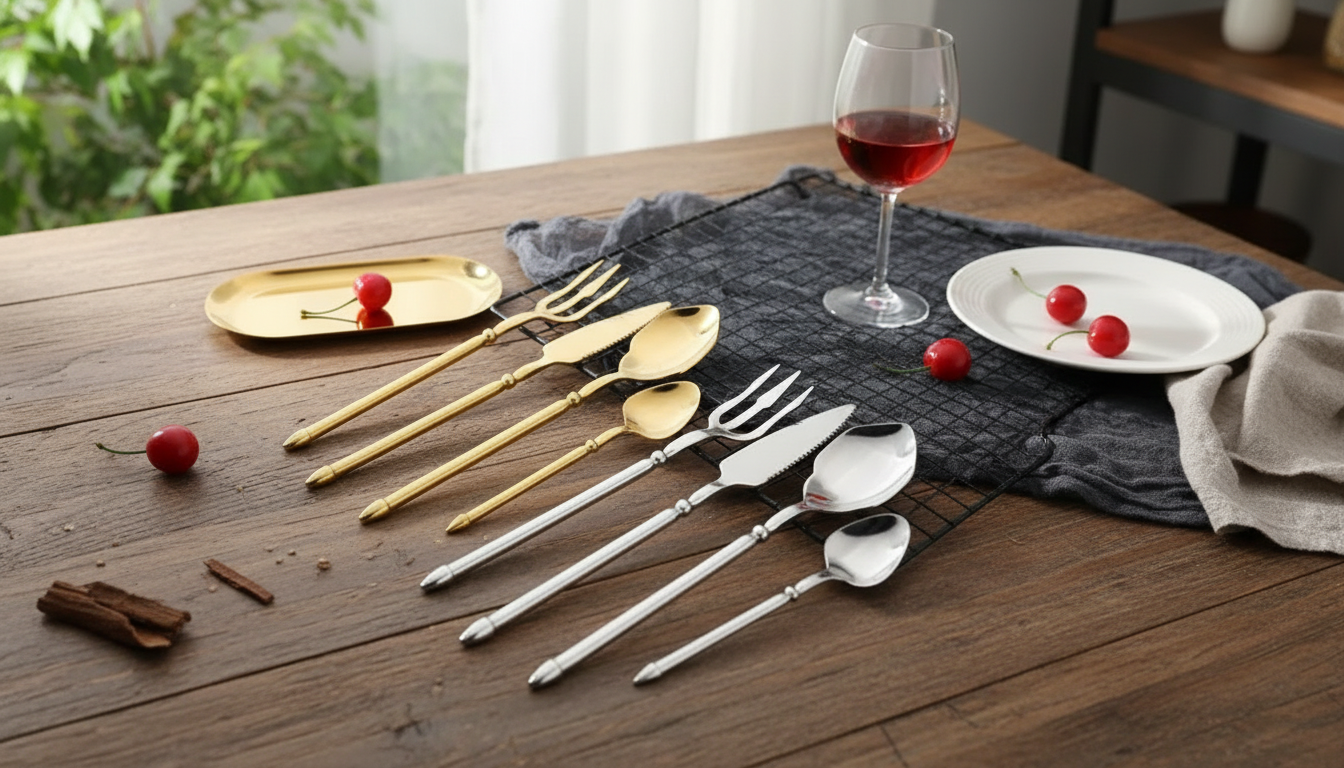
Luxury Gold Stainless Steel Cutlery Set (16 Pieces) for a Polished Table for Four
A gold-toned stainless steel flatware set can elevate everyday meals while still being practical for weeknight use. This 16-piece set is sized for four place settings and designed to bring a coordinated, upscale look to the table without the fuss of mixing and matching. If the goal is a dining setup that feels intentional—whether it’s takeout on Tuesday or a birthday dinner at home—gold flatware is one of the fastest ways to make the table look “done.”
At a Glance: What This 16-Piece Set Covers
- Designed for 4 people with 4 complete place settings
- Gold finish for a statement look at casual dinners and special occasions
- Stainless steel construction for durability and everyday usability
- A cohesive set that simplifies hosting and table styling
Typical 16-Piece Flatware Breakdown (4 Place Settings)
| Piece | Quantity | Common Use |
|---|---|---|
| Dinner knife | 4 | Main course, everyday dinners |
| Dinner fork | 4 | Main course, salads |
| Dinner spoon | 4 | Soups, pasta, rice bowls |
| Teaspoon | 4 | Coffee/tea, desserts, yogurt |
Why Gold-Tone Flatware Changes the Feel of a Meal
- Creates contrast against white plates, dark stoneware, and neutral linens
- Pairs naturally with warm materials like wood boards, rattan, and candlelight
- Photographs well for celebrations, dinner parties, and holiday settings
- Adds a “finished” look even when the menu is simple
Gold-toned cutlery tends to read as “special” because it catches light differently than silver. Even a basic bowl meal feels a bit more elevated when the utensils have a warm metallic sheen—especially when the rest of the table is calm and simple (white plates, cream napkins, clear glassware). For entertaining, it also helps every place setting look consistent, which is often the difference between “nice dinner” and “hosted dinner.”
Material and Finish: What to Expect from Stainless Steel
- Stainless steel is valued for corrosion resistance and strength in daily use
- A coated or plated gold finish can require gentler care than plain steel
- Best practice is to avoid abrasive pads and harsh powders that can dull shine
- If the household has metal sensitivities, consider how stainless steel alloys can vary and monitor comfort
Stainless steel is widely used for flatware because it’s tough, resists rust, and holds up to frequent washing. For a quick background on why stainless steel performs so well, see Encyclopaedia Britannica’s overview of stainless steel. With gold-tone sets, the “gold” is typically a finish applied over steel, so it benefits from a little extra care compared to uncoated utensils.
If someone in the home has a known sensitivity to certain metals, it’s also worth noting that stainless steel alloys can contain nickel. For general information on nickel allergy and common reactions, visit NIH MedlinePlus. Comfort varies by individual and by alloy, so paying attention to how the set feels in real use is a sensible approach.
Comfort and Balance at the Table
- Look for comfortable edges and a handle shape that feels steady in the hand
- Balanced weight can make the set feel more premium during long meals
- For hosting, consistent size across each place setting helps the table look uniform
- Gold-toned flatware often stands out most when all settings match
Flatware shouldn’t just look good; it should feel good through an entire meal. A comfortable handle and smooth edges matter most when you’re lingering over a multi-course dinner or serving a spread family-style. Balanced weight is another quiet luxury: pieces that feel substantial (without being heavy) tend to read as higher-end and are easier to control, especially with foods like pasta, salads, and rice bowls.
Care Tips to Keep the Gold Finish Looking New
- Rinse soon after meals to reduce contact time with acidic or salty residues
- Wash with mild detergent and a soft sponge; skip scouring pads
- Dry promptly to reduce water spotting and preserve shine
- Avoid prolonged soaking and avoid chlorine bleach, which can damage stainless steel and finishes
For additional everyday dishwashing best practices, the American Cleaning Institute’s dishwashing tips are a helpful reference—especially when you’re trying to preserve a finish and avoid dulling over time.
Simple Styling Ideas for Everyday and Entertaining
To build a dining area that feels just as intentional as the table itself, consider pairing your updated flatware with seating and layout ideas from The Cozy Corner That Changes Mornings: Ultimate Breakfast Nook with Banquette Seating Guide, especially if you’re refreshing a small dining space or breakfast area.
Product Options In Stock
- Luxury Gold Stainless Steel Cutlery Set 16Pcs Dinner Flatware for 4 People — $86.67 USD, in stock
- The Cozy Corner That Changes Mornings: Ultimate Breakfast Nook with Banquette Seating Guide — $7.99 USD, in stock
- 5-in-1 Hair Dryer & Styler Brush with Auto Curling and Frizz Control — $134.01 USD, in stock
FAQ
Is gold stainless steel flatware safe to use for everyday meals?
Stainless steel is a common material for food-contact items, and gold-toned sets are typically designed for regular dining. To keep the finish in good shape, avoid abrasives or bleach cleaners, and rinse and dry the pieces promptly.
What comes in a 16-piece cutlery set for 4 people?
A typical 16-piece set includes 4 place settings: 4 dinner knives, 4 dinner forks, 4 dinner spoons, and 4 teaspoons. This covers the basics for everyday meals and casual hosting.
How should gold flatware be cleaned to prevent fading or scratches?
Wash with mild dish soap and a soft sponge, avoid harsh powders or scouring pads, and skip long soaks. Drying right away helps prevent water spots, and chlorine-based cleaners should be avoided to protect both stainless steel and the gold finish.











Leave a comment