3–4 Person Pop-Up Tent: Double-Layer Ventilation Guide
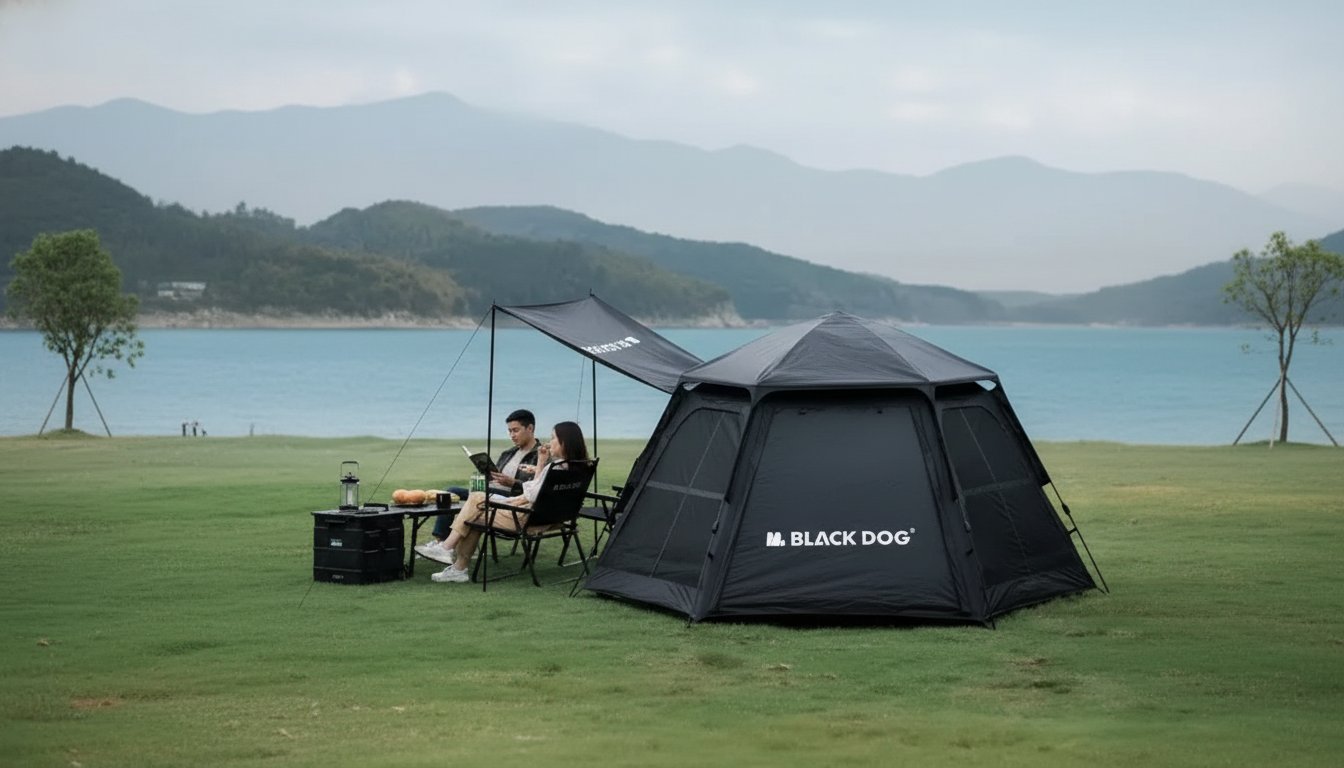
Automatic Pop-Up Camping Tent for 3–4 People with Double Layer Ventilation
Fast setup matters when you roll in after dark, camp with kids who want to “move in” immediately, or feel the first gusts of an unexpected front. An automatic pop-up design paired with a double-layer build is a practical way to simplify the first five minutes at camp while making nights more comfortable through better airflow, reduced condensation, and adaptable coverage when conditions change.
What makes a pop-up tent genuinely convenient
A true pop-up tent isn’t just “quick”—it cuts down the number of steps where small mistakes happen. The instant-frame style opens in one motion, so you spend less time sorting poles and more time getting staked and settled.
- Instant-frame structure: Opens quickly and reduces setup steps compared with traditional pole tents.
- Made for frequent stops: Ideal for short trips, festival camping, backyard overnights, and quick basecamps where time and simplicity matter.
- Speed plus comfort: The best experience comes from pairing fast setup with sensible ventilation and weather protection, not speed alone.
Quick specs at a glance
This style of tent is designed around real-world car camping: enough space for a small group, easy deployment, and a layered construction that lets you tune airflow. Capacity ratings are helpful, but comfort depends on sleeping pad width and how much gear stays inside overnight.
- Designed for 3–4 people, balancing floor space with packability.
- Double-layer construction supports flexible airflow and added coverage during wind, light rain, or cooler nights.
- Ventilation works best when paired with smart site selection and correct rainfly/outer-layer use.
| Feature | Why it matters | What to look for in use |
|---|---|---|
| Automatic pop-up frame | Cuts setup time and reduces missed steps | Practice once at home; confirm the frame locks fully before staking |
| Double-layer design | Improves comfort range and helps manage condensation | Use mesh/inner for airflow; add outer layer when wind or drizzle increases |
| Ventilation points | Moves humid air out and brings cooler air in | Create cross-breeze by opening vents/doors on opposite sides when weather allows |
| Staking & guylines | Stability in gusts and better rain shedding | Stake corners first, then tension guylines evenly |
Double-layer + ventilation: how it affects comfort
Warm days and cool nights are where double-layer tents earn their keep. The inner layer often uses mesh to keep the interior breathable, while a separate outer layer adds coverage and helps buffer wind. Together, they give you more control over how the tent “breathes.”
- Less stuffy air: Mesh inner panels increase airflow and reduce that closed-in feeling during humid evenings.
- Adaptable protection: The outer layer can block wind and light precipitation while still allowing controlled venting.
- Condensation management: Condensation is common when temperatures drop quickly; cracking upper vents and keeping wet gear out of the sleeping area helps.
- Bug-season comfort: Mesh-first airflow keeps the interior livable without inviting insects.
If you’re camping near water or in dense forest, humidity can stay high all night. In those conditions, a small amount of interior moisture can still happen—what matters is keeping air moving and avoiding contact between sleeping bags and tent walls.
Setup flow that prevents common mistakes
Pop-up doesn’t mean “skip the basics.” A few simple habits make the tent quieter, drier, and more stable.
For storm awareness, follow basic safety guidance, including lightning precautions from the National Weather Service. A fast tent is helpful, but timing and site choice matter more when weather turns.
Weather readiness without overcomplicating the pack
For longer tent lifespan, basic maintenance habits go a long way—REI’s overview of tent care and maintenance is a solid reference for drying, cleaning, and storage.
Space planning for 3–4 sleepers
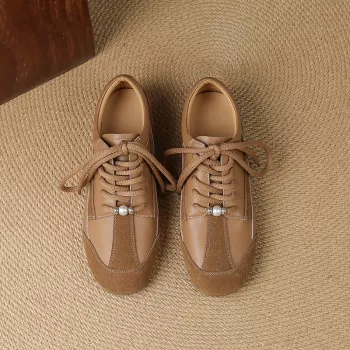
If you want to keep the sleeping area cleaner, having dedicated camp footwear helps. A low-profile option that works well for quick trips from tent to car is Women’s Suede Leather Lace-Up Loafers—easy to slip on for early-morning coffee runs or campground walks when you’d rather not lace up hiking boots.
Care and storage to keep the pop-up mechanism smooth
Whenever possible, camp with low-impact habits—packing out trash, minimizing campsite disturbance, and respecting wildlife are part of the Leave No Trace Seven Principles.
A practical option when speed and airflow matter most
For a ready-to-go option built around that balance of speed and ventilation, see Automatic Pop-Up Camping Tent for 3-4 People with Double Layer & Ventilation.
And for travelers who like to keep morning routines simple on the road—especially when you’re alternating hotels, campsites, and friends’ houses—5-in-1 Hair Dryer & Styler Brush with Auto Curling and Frizz Control can be a handy compact add-on for quick dry-and-style sessions.
FAQ
Does double-layer construction reduce condensation?
It can help by separating humid interior air from the cooler outer surface, but condensation still depends on temperature swings, campsite humidity, and wet gear inside. Keep vents cracked when possible and maintain a taut pitch to reduce moisture buildup.
How long does a pop-up tent take to set up and pack away?
Setup is typically very fast once you’ve practiced, often taking just a couple minutes. Pack-down can take longer because the folding technique matters, so a quick home practice run helps prevent frustration and frame stress.
Is a 3–4 person tent comfortable for four adults?
Capacity ratings are usually tight; four adults often fit best only with minimal gear inside. For everyday comfort, 2–3 adults (or 2 adults plus kids) is typically a better match depending on pad width and how you store gear.









Leave a comment