Twin Low Loft Bed with Storage: Kids Game House Nook
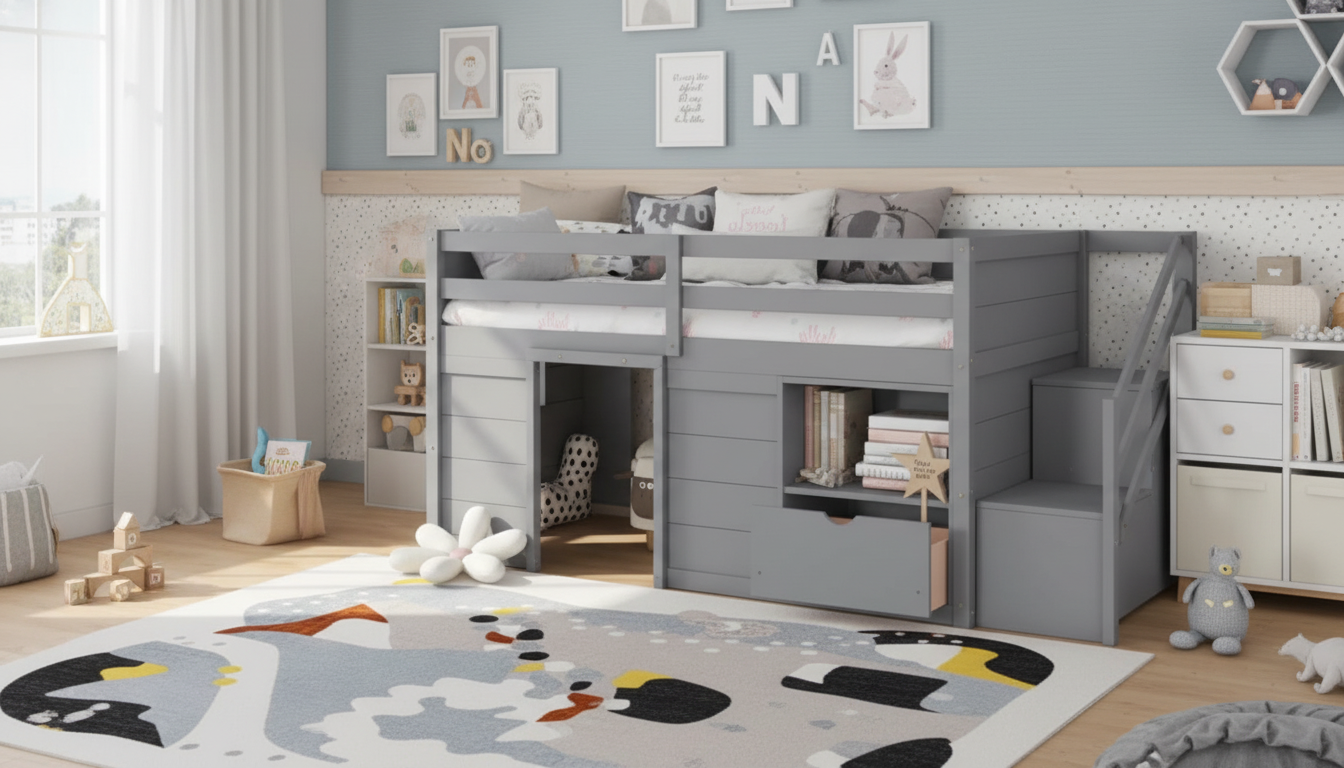
A low loft bed can turn a crowded bedroom into a calmer, more functional space—especially when it includes built-in storage and a dedicated play zone. This guide breaks down what to look for in a twin size low loft bed that combines sleep, organization, and a game-house style nook, plus practical tips for safety, room fit, and daily use.
Why a Low Loft Bed Works for Kids’ Rooms
Low loft beds hit a sweet spot for many families: they elevate the mattress to free up space underneath, but keep the sleep surface at a more approachable height than traditional lofts or bunks. For younger kids who want a “big kid bed” without a steep climb, that lower profile can make bedtime feel more confident and less intimidating.
- Keeps the sleeping surface elevated while maintaining an easy-to-reach height for younger kids
- Opens up usable floor area for reading, play, or a small “clubhouse” zone under the bed
- Makes room organization easier when storage is integrated into the frame
- Helps define zones in shared bedrooms: sleep above, play and storage below
What Makes a “Game House” Loft Setup Fun (and Practical)
The under-bed “game house” concept works because it feels like a room within a room. Kids naturally treat it as their own little headquarters—great for imaginative play, but also surprisingly useful when it’s set up intentionally. A small rug, a couple of floor cushions, and a low bin of favorites can create a space that encourages kids to settle in and focus.
- Under-bed play area feels like a mini room, encouraging independent play and imaginative games
- Works well as a quiet corner for board games, LEGO builds, or reading when paired with a small rug or floor cushions
- A designated play nook can reduce toy sprawl elsewhere in the bedroom
- Consider lighting: a clip-on light or low-heat LED strip can make the nook usable year-round
For safety and comfort, stick with low-heat lighting, keep cords secured, and avoid placing anything in the nook that could be pulled up into the sleep area. If you want guidance beyond the basics, the American Academy of Pediatrics resource hub on HealthyChildren.org is a helpful starting point for child bedroom routines and sleep considerations.
Built-In Storage: Keeping Clutter Under Control
Storage is where a low loft bed can pay off every single day. The best designs balance open cubbies (fast drop zones) with closed drawers (visual calm). When storage is placed right where kids undress, read, and play, it’s easier to build habits that actually stick.
- Look for a mix of open and closed storage (open for daily-use bins; closed for visual calm)
- Prioritize drawer glide quality and safe clearance to prevent pinched fingers
- Plan storage by category: bedtime items, school items, and toys each get a dedicated spot
- Measure typical bin sizes before buying so containers fit the available cubbies or shelves
Common Storage Zones and What to Put There
| Storage area | Best for | Tip for daily use |
|---|---|---|
| Drawers | Clothes, pajamas, extra bedding | Use drawer dividers to keep small items from shifting |
| Shelves/cubbies | Books, bins, games | Label bins with pictures for younger kids |
| Under-bed nook | Play sets, building toys, floor cushions | Add a washable rug to define the play zone |
| Side pockets/rails (if present) | Nighttime essentials | Keep only soft items for safety |
Safety and Comfort Checklist
Even a low loft should be treated like an elevated sleep space. A few careful checks can make the bed feel secure for kids and reassuring for adults.
For broader bunk/loft safety guidance and standards, review the consumer information from the U.S. Consumer Product Safety Commission (CPSC).
Room Fit: Measuring Before Buying
Featured Option: Twin Size Low Loft Bed with Storage and Game House for Kids
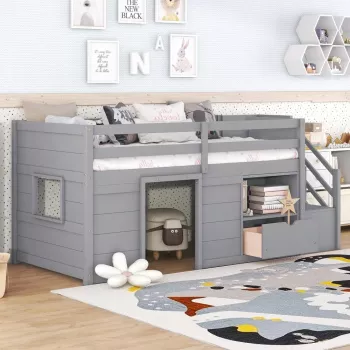
If you’re aiming to consolidate sleep, storage, and play into one footprint, Twin Size Low Loft Bed with Storage and Game House for Kids is designed around that all-in-one goal. It’s a strong match for small-to-medium bedrooms where every square foot has to work harder—especially when you want the under-bed area to feel like an intentional “game house” nook rather than leftover space.
Quick Snapshot
| Detail | What it means for daily use |
|---|---|
| Twin size sleep area | Fits standard twin bedding and keeps the footprint compact |
| Low loft height | Easier access for kids compared with taller loft designs |
| Built-in storage | Reduces the need for extra dressers or toy chests |
| Under-bed “game house” space | Creates a dedicated play zone without taking extra floor area |
Setup Tips for a Calm Bedtime and Happier Play
If you’re also organizing other small spaces at home, The Cozy Corner That Changes Mornings: Ultimate Breakfast Nook with Banquette Seating Guide offers practical ideas for building “zones” that make everyday routines smoother—similar thinking that works well in kids’ bedrooms.
FAQ
What mattress thickness is best for a low loft bed with guardrails?
Use the manufacturer’s recommended maximum mattress thickness. A mattress that’s too thick can reduce the effective height of the guardrails, which can compromise safety—especially for active sleepers.
Is a low loft bed suitable for younger kids?
Low loft beds are often more manageable than higher lofts, but readiness depends on your child’s climbing ability and how they move during sleep. Always follow the bed’s age guidance and supervise early use until your child is confident.
How can the under-bed play area stay organized?
Use labeled bins, keep a small basket for loose pieces, and rotate toy sets so the nook doesn’t overflow. A washable rug helps “draw the boundary” of the play zone and makes it easier to keep a clear entry path.








Leave a comment