Enclosed Cat Litter Box with Lid & Drawer: Less Mess
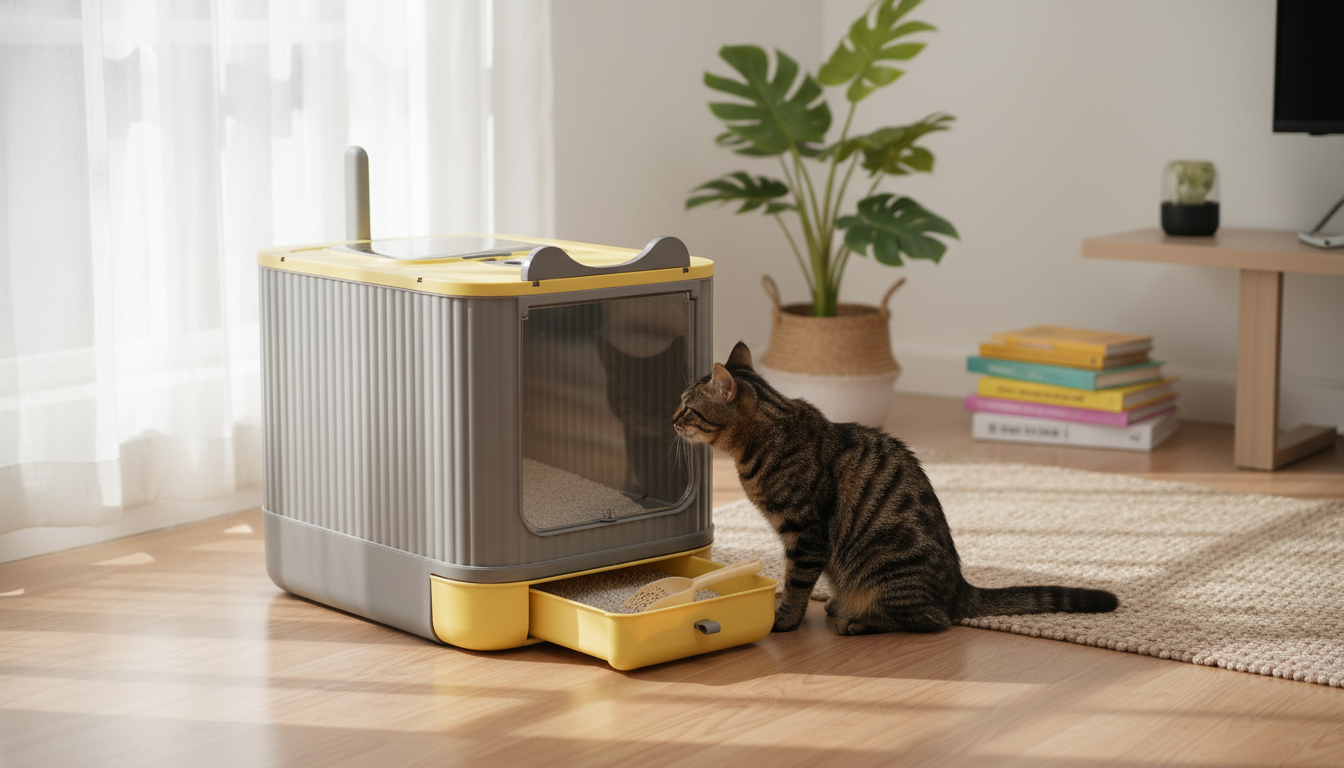
Upgraded Enclosed Cat Litter Box with Lid and Drawer: Cleaner Floors, Easier Scooping, More Privacy
An enclosed litter box with a fitted lid and a pull-out drawer can reduce tracking, help contain odors, and make daily scooping faster—especially in small homes or busy routines. This guide covers what to expect from an upgraded enclosed design, how to set it up for smooth adoption, and how to keep it fresh with minimal effort.
What an enclosed box with a drawer changes day to day
A covered litter box can make the litter area feel calmer and more contained—both for cats and for the people sharing the space. Many cats appreciate the privacy, particularly when the box is placed in a quiet spot where they won’t be startled mid-use.
Enclosed sides and a higher entry can also mean less scatter on the floor. If you’ve dealt with granules outside the pan (especially on tile or hardwood, or near doorways where litter gets tracked farther), a more contained design can reduce the radius of the mess.
The pull-out drawer is the biggest quality-of-life upgrade for many households. Instead of reaching into the box at an awkward angle, the waste is brought closer, making quick daily scoops easier to stick with. And when you’re consistent, odor control gets noticeably simpler.
Finally, a well-fitted lid can reduce visible mess and help limit airborne dust—though results depend on your litter type and how often the box is cleaned. Enclosed doesn’t mean “set it and forget it,” but it can make maintenance feel less disruptive.
Key features to look for (and why they matter)
Not all enclosed boxes are equal. Small differences in lid fit, drawer alignment, and interior space can determine whether your cat uses the box confidently—and whether you actually enjoy maintaining it.
Enclosed box feature checklist
| Feature | Why it helps | Quick check before buying/assembling |
|---|---|---|
| Pull-out drawer | Faster scooping and easier full changes | Drawer pulls out fully without tipping; latch feels secure |
| Fitted lid | Improves privacy and reduces visible mess | Lid sits flush; no large gaps at corners |
| Spacious interior | Encourages consistent use, especially for bigger cats | Cat can stand and turn without touching walls |
| Easy-clean surfaces | Less odor buildup and staining | Wipes clean with mild soap; minimal crevices |
| Stable base | Reduces wobble and litter spills | Doesn’t rock when the cat steps in |
Pay special attention to lid stability and drawer glide. A secure lid reduces gaps where odor escapes and keeps cats from dislodging the top during entry and exit. A smooth drawer makes it more likely you’ll do the quick scoop today (instead of “later”), which is where most odor issues start.
Entry design matters, too. A wide opening supports larger cats, while a more contained entry can reduce tracking for long-haired cats. Interior space is non-negotiable: cats need room to turn around comfortably, and cramped boxes can lead to avoidance. Slick, wipeable interiors also help prevent residue buildup that can linger even after a litter change.
Setup that helps cats accept an enclosed box
If your cat has only used an open pan, the fastest path to success is a gradual introduction. Start with the lid off (or propped open) for 3–7 days. Once your cat is using it consistently, add the lid so the change feels like a small step rather than a surprise.
Keep the same litter type at first. Switching box style and litter simultaneously can be too much novelty at once, increasing the chance of refusal. Location matters as well: choose a low-traffic, well-ventilated area, and avoid tight corners where your cat may feel trapped.
Multi-cat homes need enough boxes to prevent crowding and stress. If accidents show up, competition or anxiety may be part of the picture—not just the box itself. For more behavior-focused guidance, the ASPCA’s litter box tips are a helpful reference.
Cleaning and odor control routine (simple, sustainable)
Avoid harsh ammonia cleaners, which can resemble urine odor and confuse cats. Unscented products are often easier for sensitive cats to tolerate. If odor persists despite cleaning, it may be worth reviewing general care guidance from the American Veterinary Medical Association (AVMA), especially if a medical issue could be contributing.
Who benefits most from this style of litter box
Product details and what to expect during the first week
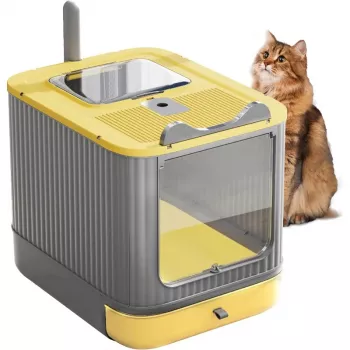
If you’re ready to upgrade, the Upgraded Enclosed Cat Litter Box with Lid and Drawer is designed to keep mess contained while making scooping more convenient through a pull-out drawer. The first week is usually about routine and reassurance: keep the location consistent, use the same litter, and reward calm curiosity with space (most cats prefer not to be hovered over).
If you’re updating other everyday routines alongside your home setup, these in-stock picks can complement a refresh: the Ultimate Breakfast Nook with Banquette Seating Guide can help organize small spaces, and the 5-in-1 Hair Dryer & Styler Brush with Auto Curling and Frizz Control is a convenient option for streamlined mornings.
FAQ
Do cats prefer covered litter boxes?
Many cats tolerate or enjoy the added privacy, but preferences vary. A smooth transition often works best by starting with the lid off and adding it only after consistent use, while keeping the box spacious and clean.
How often should an enclosed litter box be cleaned?
Scoop at least daily, wipe edges and the entry area weekly, and do a full empty-and-wash about monthly (or sooner if odor builds). Enclosed designs can trap smells if clumps are left behind.
Will a drawer-style litter box leak odors or litter?
It can if the drawer or lid isn’t well-aligned, or if cleaning falls behind. A secure latch, a flush-fitting lid, and consistent scooping do most of the work, along with keeping litter at an appropriate depth to prevent spillover.










Leave a comment