1CT D Color Moissanite Pendant in 925 Silver Lock Chain
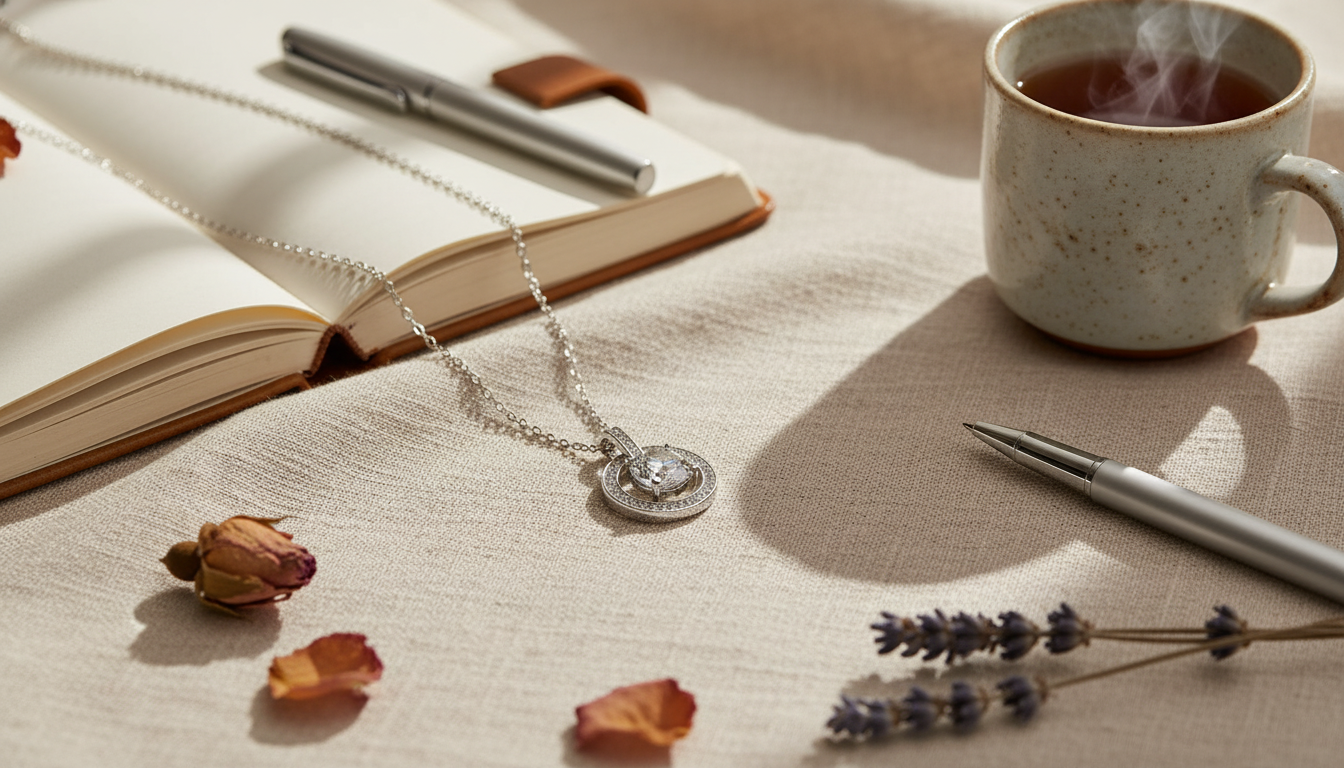
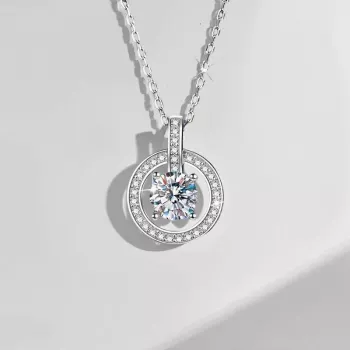
1CT D Color Moissanite Pendant Necklace in 925 Silver with Lock Chain
A bright, clear center stone and a clean silver setting make this pendant easy to wear daily while still looking polished for dinners, events, and gifting. This guide covers what “D color” and “1CT” mean for moissanite, how 925 silver wears over time, and why a lock-style chain can be a practical detail for comfort and security.
What Makes This Pendant Stand Out
- 1CT moissanite center stone designed for high sparkle and a crisp white appearance
- D color grading signals a colorless look that pairs especially well with cool-toned metals like silver
- 925 silver setting offers a bright, versatile finish for everyday outfits and special occasions
- Lock chain detail is designed to reduce accidental unclasping and improve wear confidence
- A classic pendant silhouette that layers easily with other necklaces
Moissanite Basics: Sparkle, Color, and “Carat” Size
Moissanite is a lab-created gemstone (silicon carbide) known for strong brilliance and “fire,” the rainbow flashes that show up as the stone moves under light. That’s why a simple pendant design can still read as bold—it catches light from multiple angles, even with a streamlined setting.
When you see “D color,” it’s borrowing language from the diamond color grading scale to indicate a colorless appearance. In real-life wear, D color moissanite tends to look icy-white and clean, which helps the stone stay bright against silver rather than pulling warm or tinted. If you’d like more background on the scale itself, the GIA diamond color grading overview is a useful reference point.
“1CT” in moissanite typically refers to a diamond-equivalent visual size (how large it looks), not a one-to-one match in physical weight with a diamond. In daily styling, that usually lands in the sweet spot: noticeable sparkle without feeling oversized for errands, office days, or casual dinners.
Quick Guide to What the Specs Mean in Daily Wear
| Spec | What it means | What to expect when worn |
|---|---|---|
| 1CT (diamond-equivalent size) | Visual size reference often used for moissanite | Noticeable sparkle without feeling oversized for everyday |
| D Color | Colorless look on the diamond color scale | Bright white appearance that complements silver and white gold tones |
| 925 Silver | 92.5% silver alloy for durability | Shiny, versatile finish; may need occasional polishing to maintain brightness |
| Pendant style | Center stone hangs from the chain | Frames the neckline and layers well with shorter chains |
925 Silver Setting: Comfort, Shine, and Upkeep
925 silver (also called sterling silver) is popular for jewelry because it balances a bright, clean shine with everyday practicality. Pure silver is soft, so sterling’s added alloy helps the piece keep its shape and resist dents better than pure silver would. For a simple background on silver as an element and why it’s valued, see Encyclopaedia Britannica’s overview of silver.
Over time, sterling silver can tarnish due to moisture, air exposure, and contact with skincare products. Tarnish doesn’t mean the necklace is “ruined”—it’s typically a surface reaction and can be removed. A quick rub with a silver polishing cloth often restores brightness, especially around the chain and the back of the pendant where contact is highest.
- Put jewelry on after lotion, sunscreen, and perfume to reduce residue.
- Remove before showering, swimming, or cleaning to avoid harsh chemical exposure.
- Store dry (ideally in a pouch or closed box) to slow tarnish.
- Occasional cleaning with mild soap and lukewarm water plus a soft cloth helps keep the pendant reflective.
- If you have sensitive skin, keep the necklace clean and dry; reduce wear time if irritation occurs and avoid fragranced products near the neckline.
For general guidance on jewelry marketing and disclosures in the U.S., the FTC Jewelry Guides are a helpful resource.
Lock Chain Detail: Why It Matters
A lock-style clasp is a small detail that can make a big difference in day-to-day wear. When the closure feels stable, you tend to reach for the necklace more often—whether you’re commuting, heading to an event, or just moving through a busy day.
Styling Ideas: From Minimal to Layered
Fit and Wear Guidance
Product Details and Where to Buy
- 1CT D Color Moissanite Pendant Necklace in 925 Silver with Lock Chain for Women — best for everyday sparkle, gift-giving, and a clean silver look that works year-round.
- 5-in-1 Hair Dryer & Styler Brush with Auto Curling and Frizz Control — a quick way to match your jewelry’s polished finish with a smoother hairstyle.
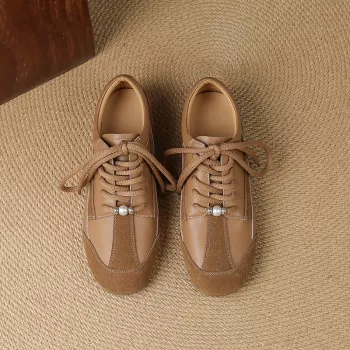
- Women’s Suede Leather Lace-Up Loafers — an easy wardrobe staple that keeps the overall look clean and put-together.
FAQ
Does D color mean the necklace will look very white in person?
D color indicates a colorless look on the diamond color scale, and D color moissanite typically presents a bright, icy-white appearance. In a 925 silver setting, that crisp whiteness often reads even more noticeable, with strong sparkle in daylight and indoor lighting.
How do you clean a moissanite pendant in 925 silver?
Use mild soap and lukewarm water, gently brushing around crevices with a soft toothbrush, then rinse and pat dry. If you see silver tarnish, finish with a silver polishing cloth; avoid harsh chemicals, and skip ultrasonic cleaning if you’re unsure about the setting’s delicacy.
Will 925 silver tarnish, and can it be fixed?
Yes—tarnish can happen with exposure to air, moisture, and products like lotion or perfume, and it’s normal for sterling silver. It’s usually removable with a polishing cloth or gentle silver cleaner, and dry storage plus putting jewelry on last can help slow it down.










Leave a comment