Warm Hooded Duck Down Sleeping Bag for 0°F–32°F
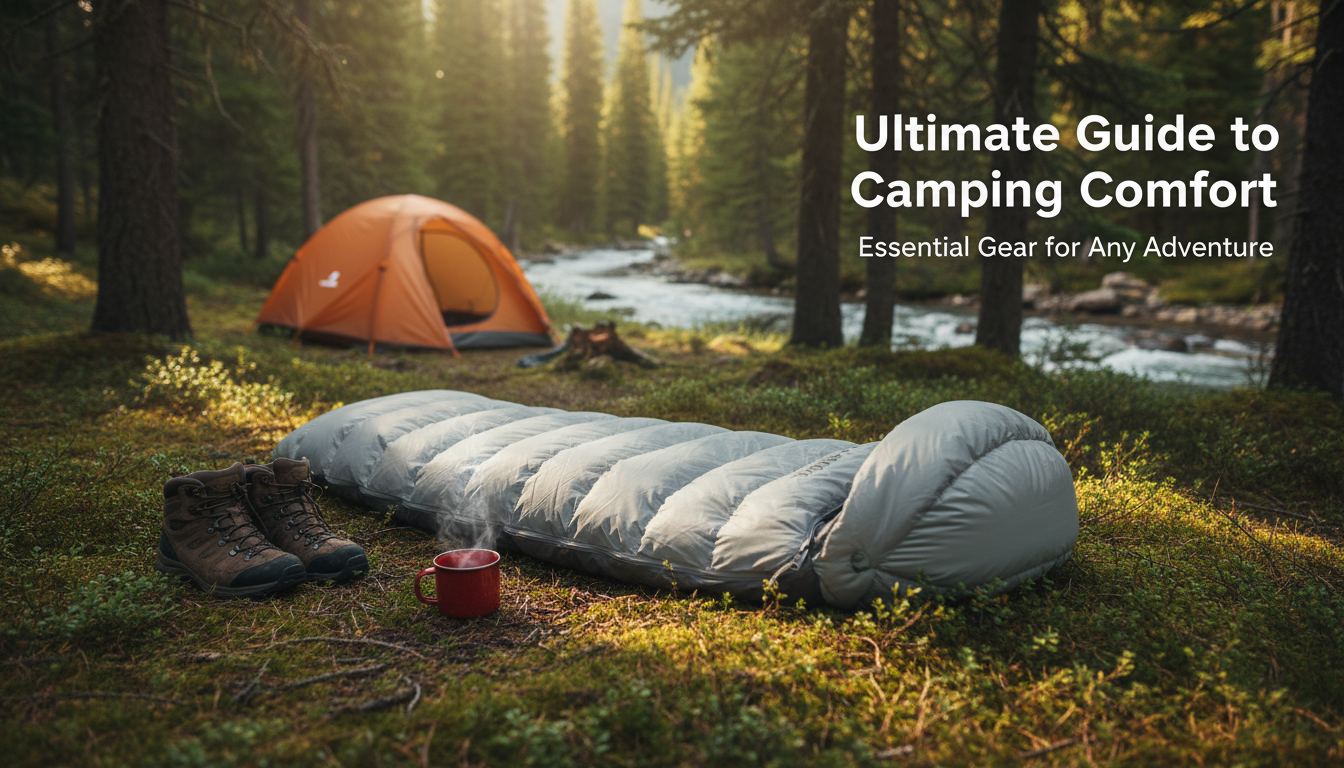
Cold nights can turn a good trip into a long one. A hooded duck down sleeping bag built for 0°F–32°F conditions focuses on holding warmth where it matters most—around the head, neck, and core—while still packing down for travel. This guide breaks down what to look for, how to use it in the field, and how to match it to the kind of camping being planned. For more guidance, see Sleeping bags for cold weather – Bogleheads.org.
Who This Sleeping Bag Suits Best
- Car camping, basecamp, and short hike-ins where warmth is the top priority
- Shoulder-season trips that can dip below freezing overnight
- Campers who prefer the cocooned feel of an integrated hood rather than relying only on a beanie
- Anyone building a cold-weather sleep system on a budget compared with premium-fill alternatives
If the forecast is borderline, a warmer bag can be a calmer choice than “hoping the layers work out.” The hood is the biggest comfort upgrade for many sleepers because it reduces the need to constantly adjust hats, buffs, and pillows when you roll over. For further reading, see the Wiggy’s -60 degree bag. Here’s my review of its features, along ….
Warmth Basics: Down Fill, Hood Design, and Draft Control
Down insulation works by lofting—creating tiny air pockets that slow heat loss. Duck down can be very efficient for warmth-to-weight, but the catch is simple: down needs to stay dry and fluffy to perform. A damp bag still “looks” like a sleeping bag, yet it can feel noticeably cooler because the loft collapses.
The hood is the other half of the equation. A shaped hood reduces heat loss from the head and neck, which is one of the fastest ways a cold night feels uncomfortable. For true cold conditions, draft control matters too: a snug neck/shoulder area (often called a draft collar) and a zipper baffle help reduce cold spots where warm air can leak.
Temperature ranges are influenced by metabolism, clothing, wind, humidity, tent ventilation, and—most importantly—your sleeping pad. For background on ratings and how they’re tested, see REI’s overview of sleeping bag temperature ratings and the standard behind many tests (ISO 23537).
What Affects Warmth Most on Cold Nights
| Factor | Why it matters | Practical tip |
|---|---|---|
| Sleeping pad insulation | Ground contact pulls heat away quickly | Use an insulated pad; add a foam layer on snow or frozen ground |
| Hood fit and closure | Loose openings leak warm air | Tighten the hood and collar to a comfortable seal without restricting breathing |
| Moisture management | Damp down loses loft and warmth | Ventilate the tent; avoid breathing into the bag; air it out each morning |
| Clothing inside the bag | Adds warmth but can trap sweat | Use dry base layers and warm socks; avoid overdressing if sweating starts |
Choosing the Right Temperature Range for Your Trips
A 0°F–32°F range covers a wide slice of real-world camping, but how it feels depends on whether you run warm or cold. A 0°F capability is helpful for winter nights, higher elevations, and unpredictable forecasts; it also adds a comfort margin for cold sleepers. Meanwhile, 32°F coverage works well for fall and spring camping where frost is possible but deep-winter conditions are less likely.
Plan for a buffer. Many sleepers are most comfortable when the bag’s rating is lower than the expected low—especially if wind picks up or humidity rises. In practice, pairing a warmer bag with lighter sleepwear can feel better than pushing a lighter bag to its limit (where you end up wearing bulky layers that restrict movement or trap sweat).
If conditions are severe or you’re unsure about exposure risk, it’s worth brushing up on cold-weather safety basics from the National Weather Service hypothermia guidance.
Fit, Comfort, and Practical Details to Check
How to Use It in Real Cold Weather
Care and Storage for Duck Down Insulation
Product Snapshot
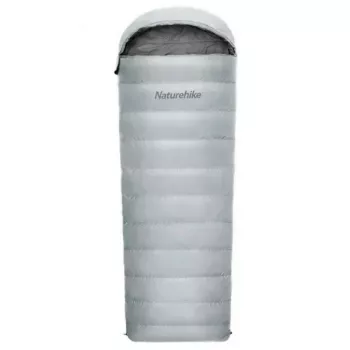
If you’re building a warmth-forward setup for cold nights, the Warm Duck Down Camping Sleeping Bag with Hood – 0°F to 32°F Cold-Weather Gear is designed for exactly that window. It’s best used as part of a complete sleep system: insulated pad + weather-appropriate shelter + dry sleep layers.
For a different kind of “warmth” (the off-trail kind), the The Cozy Corner That Changes Mornings: Ultimate Breakfast Nook with Banquette Seating Guide is a simple way to bring comfort back home—handy when cold-weather season has you craving a more inviting corner for coffee and recovery.
Quick Reference
| Item | Details |
|---|---|
| Product | Warm Duck Down Camping Sleeping Bag with Hood – 0°F to 32°F Cold-Weather Gear |
| Price | $128.47 |
| Availability | In stock |
| Best for | Cold nights, shoulder season to winter-style camping depending on conditions |
FAQ
Is a 0°F sleeping bag too warm for 32°F nights?
It can be, but it’s usually easy to manage by venting: loosen the hood, crack the zipper, or use lighter sleep layers. The key is avoiding sweat, since moisture can make you feel colder later in the night.
How do you keep a down sleeping bag warm if it’s humid or snowy?
Keep the loft dry: ventilate your tent, sleep in dry clothes, and keep wet gear out of the bag. Air the bag out each morning and consider a liner to reduce internal moisture and oils.
Do you still need an insulated sleeping pad with a warm sleeping bag?
Yes—most overnight heat loss happens to the ground, and a warm bag can’t fully compensate for an uninsulated pad. Pair the bag with an insulated sleeping pad, and add a foam layer on very cold or frozen ground.









Leave a comment