Waterproof Divider Gear Bag for Fast, Dry Camp Setups
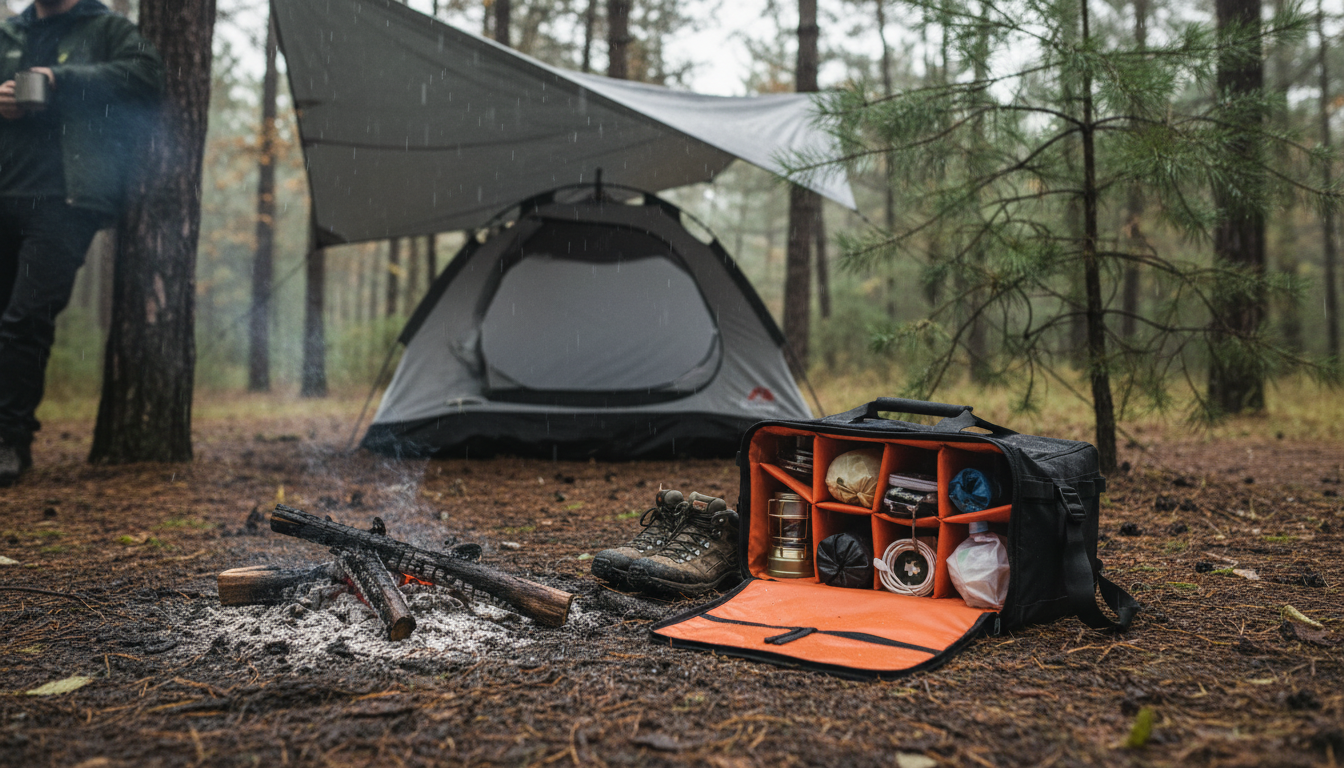
Waterproof Camping Gear Storage Bag: A Divider-Based System for Dry, Fast Setup
A waterproof storage bag with dividers keeps camp essentials grouped, protected from splash and sudden weather, and easy to find when daylight fades. The real advantage isn’t just “more pockets”—it’s turning one bag into a simple grab-and-go system for car camping, overlanding, and family trips, so the right item is always in the right compartment even when the campsite is wet and busy.
Why a Divider Organizer Beats Loose Totes at Camp
Loose totes work until the first rummage. Once small items drift to the bottom, every task turns into a scavenger hunt—usually with a headlamp in one hand and rain starting to fall.
- Stops small essentials from disappearing: Headlamps, batteries, fire starters, cutlery, spices, and repair items stay upright and visible instead of sinking under bulkier gear.
- Faster setup and teardown: Fixed “zones” mean you don’t re-sort every trip; you restock the same sections and roll out.
- Less moisture and dirt transfer: Dividers help keep wet/dirty items from touching clean camp kitchen or hygiene supplies.
- Makes missing items obvious: When each category has a home, empty space stands out—reducing duplicate packing and last-minute store runs.
- Works like a staging station: Set the bag on a picnic table or tailgate and access everything without dumping it all out.
What to Look for in a Truly Waterproof Gear Bag
“Water-resistant” and “waterproof” are not the same. For camp use, prioritize the construction details that prevent water intrusion during rain, splash, and wet-ground handling.
- Water-resistant vs. waterproof: Waterproof designs typically rely on coated fabrics, sealed construction, and closures that limit water entry.
- Closure matters as much as fabric: Storm flaps, sealed zippers, roll-top closures, or tightly fitted lids often determine whether the contents stay dry.
- Reinforced base and seams: A tougher bottom helps prevent pinhole leaks when dragged across gravel or packed tightly.
- Easy-to-clean interior: Wipe-clean coatings are a big deal when spills, mud, or food residue happen.
- Carry/access features: Good handles, a usable shoulder strap, and a wide opening make it realistic to use daily (not just “stored in the car”).
Camp Organization Feature Checklist
| Feature | Why it matters at camp | What to confirm before buying |
|---|---|---|
| Adjustable dividers | Prevents shifting, protects fragile items | Divider rigidity and whether layouts can be reconfigured |
| Waterproof shell/coating | Keeps supplies dry in rain, dew, and splash | Coated fabric, sealed seams, and closure design |
| Stiffened walls/base | Bag stands up; protects contents | Base thickness and structure when empty |
| Wide top opening | Fast access without dumping | Opening size and zipper/closure smoothness |
| Drain/dirty separation option | Keeps wet items from soaking dry gear | Dedicated compartment or ability to isolate items |
| Grab handles + strap | Comfortable carry from car to site | Handle placement, strap padding, attachment points |
Smart Divider Layouts for Real Campsite Tasks
Dividers work best when they match the way you move around camp. Build compartments around tasks, not just item types.
Using a Waterproof Organizer Bag in Different Trip Styles
For trip planning discipline that reduces “oops” moments, it helps to follow a standardized prep approach like Leave No Trace’s Plan Ahead and Prepare, and to review food storage basics that protect both your supplies and wildlife (see the National Park Service guidance on wildlife safety).
Packing Method: Dry Core, Wet Perimeter
If you want a second set of eyes on what typically gets forgotten, a printable checklist like the REI camping checklist pairs well with a divider-based packing system.
Care, Cleaning, and Long-Term Waterproof Performance
Product Picks for a More Organized, Less Chaotic Camp
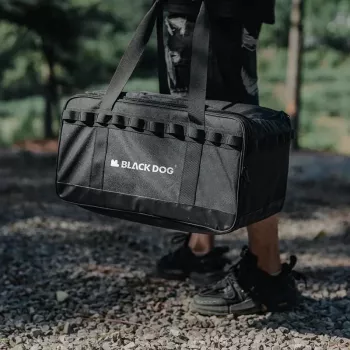
- Waterproof Camping Gear Storage Bag – Large Outdoor Organizer with Dividers ($80.67): Built to function as a “camp command bag,” using a divider system to keep small essentials separated and easier to protect from wet ground and sudden weather. For best results, set a default layout for your most common trip style and keep a small checklist inside the lid/inner panel.
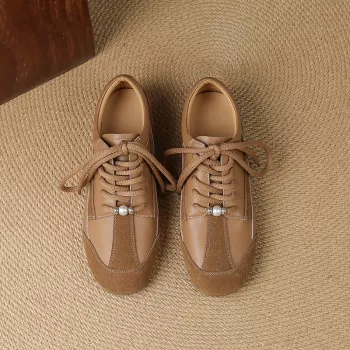
- Women’s Suede Leather Lace-Up Loafers ($43.51): A comfortable option for travel and town stops between campgrounds—handy when you want an easy lace-up shoe that feels less bulky than boots.
FAQ
How waterproof should a camping organizer bag be for rain?
For typical rain and splash, look for a waterproof design with coated fabric, sealed seams, and a closure that blocks water entry. If the bag might sit in standing water or be exposed to heavy downpour for long periods, prioritize the most secure closure system available and avoid placing it directly on pooled ground.
What should be stored in divider compartments versus loose in the bag?
Use dividers for fragile, small, and frequently accessed items like headlamps, batteries, spices, first-aid supplies, and repair tools. Keep tiny parts in small pouches, isolate wet/dirty items in a dedicated section, and pad heavy or sharp tools so they don’t grind into the bag walls.
How do dividers help keep gear dry and organized over multiple trips?
Dividers create fixed zones that reduce rummaging, which means less time with the bag open in rain and fewer chances for water to get inside. They also prevent cross-contamination between wet and dry items and make a quick end-of-trip reset routine simple and repeatable.









Leave a comment