Hybrid Audiophile Earphones: Punch, Detail, Coherence

Hybrid Audiophile Earphones: Clarity, Impact, and Detail in One In‑Ear Setup
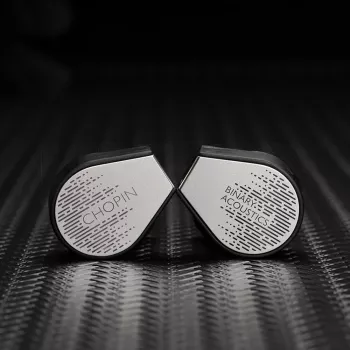
Hybrid earphones combine multiple driver types in a single in‑ear shell to balance punchy bass, natural mids, and crisp treble. For listeners who want a more speaker-like separation and improved layering compared with many single-driver designs, a well-tuned hybrid configuration can be a practical step up in everyday listening—whether that’s commuting, desk sessions, or winding down with an album front to back.
What “Hybrid” Means in Audiophile Earphones
A hybrid in-ear design typically pairs a dynamic driver (commonly tasked with low frequencies) with one or more balanced armature drivers (often used to add mid/treble speed and detail). The goal is simple: let each driver type do what it tends to do best, then blend the result into a coherent, full-range presentation.
To make that blending possible, hybrids rely on a crossover—electrical, acoustic, or both—to split the signal so each driver focuses on an appropriate frequency range. When it’s done well, bass notes feel anchored and physical while vocals stay clean and present, and high-frequency details come through without turning edgy. When it’s done poorly, the earphone can sound “split,” as if the bass and treble come from different places.
| Setup | Typical strengths | Typical trade-offs | Best for |
|---|---|---|---|
| Single dynamic driver | Natural bass texture, cohesive tone | Less micro-detail or separation depending on tuning | All‑round listening, bass realism |
| Single balanced armature | Fast transients, detail retrieval | Bass weight can feel lighter; timbre can vary | Vocals, acoustic, low-volume clarity |
| Hybrid (dynamic + BA) | Bass impact + treble detail + separation | Needs careful crossover/tuning for coherence | Mixed genres, layering, “fun + detail” balance |
| Planar magnetic | Even response, fast and clean presentation | Fit and power needs vary; can be less “slam” | Speed, clarity, controlled bass |
How Hybrid Tuning Affects What You Hear
Bass: slam vs. control
Dynamic drivers are popular in hybrids because they can deliver a more physical sense of impact—kick drums and synth hits can feel weightier and more tactile. Tuning determines whether that bass is tight and punchy (quick attack, cleaner decay) or warmer and thicker (more mid-bass presence, softer edges).
Mids: where “handoff” matters most
The transition from bass into mids is the zone where hybrids either sound seamless or show their seams. A dip around the lower mids can make vocals feel farther back; a rise can make guitars and voices pop forward. Ideally, vocals sound anchored—neither hollow nor congested—so the earphone stays versatile across podcasts, acoustic tracks, and dense modern mixes.
Treble: detail, air, and comfort
Balanced armatures can highlight fine texture: the shimmer on cymbals, reverb tails, and subtle room cues. Careful tuning is what keeps that “air” from turning into sharpness. If consonants (like “s” and “t”) feel aggressive, the upper mids/treble may be peaky, or volume may simply be too high for comfort.
Soundstage, imaging, and coherence
One reason many listeners gravitate to hybrids is improved separation—busy passages can feel less “stacked,” making it easier to track individual instruments. Still, the deciding factor is coherence: drums, bass lines, and vocals should sound like they share the same space and timing rather than layering in disconnected bands.
Fit, Seal, and Comfort: The Hidden Performance Factors
Hybrid tuning only works as intended with a solid seal. Even a small leak can drain bass, thin out the overall tonal balance, and exaggerate treble. If the low end seems anemic, tip fit is usually the first thing to fix before blaming the earphones.
Ear tips also act like a final tuning tool. Silicone tips often maintain a sense of clarity and snap, while foam tips can increase isolation and smooth treble edges for longer sessions. Comfort matters just as much: nozzle angle, shell shape, and pressure buildup tend to reveal themselves after 30–60 minutes, not during a quick try-on.
Isolation affects perceived detail too. In noisy environments, the brain loses micro-details unless volume is raised, which can introduce fatigue. For safe listening habits, it helps to keep volume moderate and follow exposure guidance like the NIOSH recommendations on noise exposure.
Source Pairing: Getting the Most from a Hybrid Earphone
A small dongle DAC can be a practical middle ground: it often improves output quality and channel balance without needing a full-size desktop setup. For measurement context, many in-ear tests reference standardized couplers (like IEC 60318-4 “711”), which helps explain why fit and insertion depth can change what you hear compared to graphs alone; the IEC overview is available via IEC documentation.
Quick Buying Checklist for Hybrid Earphones
Product Pick: Hybrid Audiophile Earphones
| Item | Price | Availability | Link |
|---|---|---|---|
| Hybrid Audiophile Earphones | $354.51 | In stock | Hybrid Audiophile Earphones |
More In‑Stock Picks
- 5-in-1 Hair Dryer & Styler Brush with Auto Curling and Frizz Control
- Women’s Suede Leather Lace-Up Loafers
- The Cozy Corner That Changes Mornings: Ultimate Breakfast Nook with Banquette Seating Guide
FAQ
Are hybrid earphones better than single-driver models?
“Better” depends on tuning and your preferences. Hybrids can improve separation and let bass and treble shine in their strengths, but a coherent tuning and a good seal matter more than driver count.
Why do hybrid earphones sometimes sound harsh or disconnected?
Harshness or a “split” sound usually comes from crossover/tuning choices, peaky upper mids/treble, or a poor seal that changes the tonal balance. Trying different tips, lowering volume slightly, and applying small EQ cuts in the upper range can often help.
Do hybrid earphones need a DAC/amp?
Many hybrids work well from a phone, but a clean dongle DAC can reduce hiss and improve dynamics on sensitive in-ears. The best match is a source with low noise and enough clean power for your specific earphone.











Leave a comment