Smart HVAC Oil Diffuser: App-Controlled Whole-Home Scent
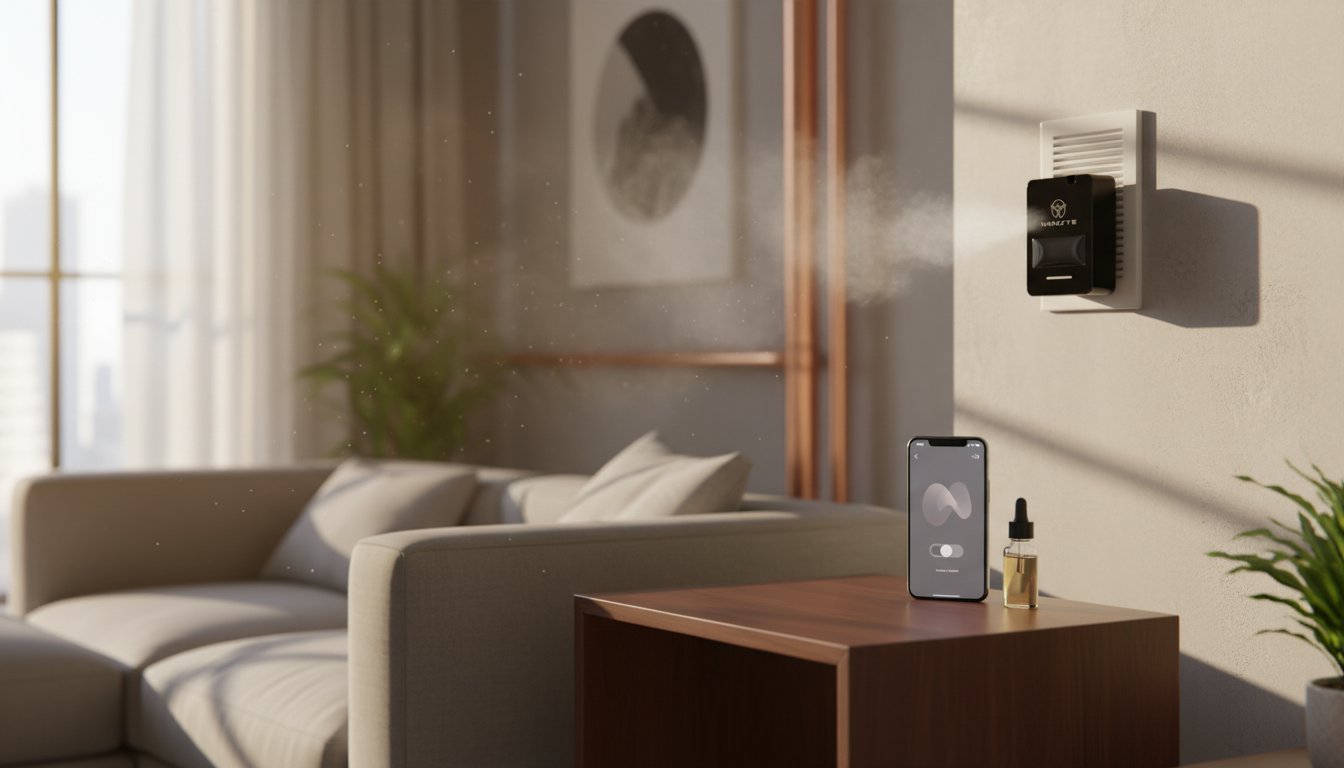
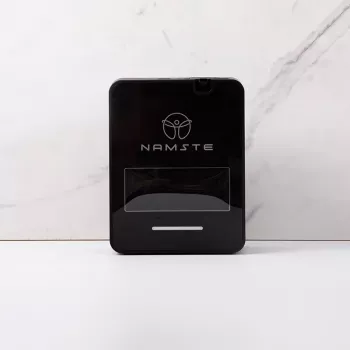
Smart HVAC Essential Oil Diffuser with App Control for Home & Commercial Use
A smart HVAC essential oil diffuser connects to existing ventilation to distribute fragrance evenly across larger spaces. With app control, scheduling, and adjustable intensity, it fits both daily home routines and commercial environments where consistent scent coverage matters. Instead of relying on a single tabletop unit that works best in one room, an HVAC-connected diffuser is built for steadier, whole-area scenting—ideal when you want the space to feel the same from the entryway to the back office.
What an HVAC essential oil diffuser does differently
Traditional diffusers are great for personal spaces, but they can struggle to cover multi-room layouts without constant repositioning. An HVAC essential oil diffuser approaches scenting like a building-wide system: it uses your forced-air airflow to help move aroma across connected areas.
- Uses HVAC airflow to help spread aroma beyond a single room, aiming for more even coverage in multi-room layouts.
- Designed for continuous, controlled scenting rather than short, localized bursts.
- App-based controls support consistent scent levels across changing occupancy (day/night, weekdays/weekends).
- Often preferred for open-plan homes, offices, studios, reception areas, and small retail spaces.
If you’re outfitting a space where people come and go all day, the most noticeable benefit is consistency: the scent is present, but not “spiky,” and it’s easier to keep it stable from morning through closing time.
Who it’s for: home comfort and commercial consistency
HVAC scenting works especially well when a space is bigger than a single room or when the goal is to create a recognizable, repeatable “signature” experience. The same features that help in a busy household—schedules, remote control, adjustable intensity—also translate neatly to customer-facing environments.
- Homes: entryways, living areas, finished basements, and multi-room scenting without moving a tabletop diffuser.
- Hospitality: lobby or front desk areas where a stable scent profile supports a welcoming feel.
- Wellness spaces: studios, treatment rooms, and waiting areas needing predictable intensity and schedules.
- Workplaces: conference rooms and shared spaces where quick adjustments from a phone are useful.
- Property managers: easy scheduling helps maintain a consistent experience across turnovers and cleaning cycles.
Common spaces and practical scenting goals
| Space | Goal | Suggested approach |
|---|---|---|
| Entryway / reception | Create a consistent first impression | Use scheduling and moderate intensity during peak hours |
| Open-plan living / office | Even distribution without hotspots | Start low, increase gradually, and confirm comfort across zones |
| Studios / wellness rooms | Maintain a calm, consistent profile | Use a fixed daily schedule; avoid rapid intensity changes |
| Retail / showroom | Support brand ambiance without overpowering | Keep intensity modest; adjust by daypart and foot traffic |
App control features that matter day to day
App control isn’t just a convenience—it’s how you avoid “set it and regret it.” When the output can be tuned in small steps and aligned to your real schedule, you’re less likely to end up with a scent that’s too strong at quiet times or too subtle during busy periods.
- Scheduling: set routines for mornings, business hours, and evenings to avoid manual on/off cycles.
- Intensity control: fine-tune output to match space size, HVAC runtime, and personal sensitivity.
- Timers and scenes: switch between profiles (e.g., “Open Hours” vs “After Close”) without reconfiguring settings.
- Remote adjustments: useful for businesses and hosts who manage spaces without being onsite.
- Practical tip: align scent schedules with HVAC fan operation to keep diffusion predictable.
A simple, reliable routine is often best: run a lighter profile during low-traffic hours and a moderate profile during peak times, with short breaks if the space is small or guests are more scent-sensitive.
Installation and setup considerations (HVAC integration)
Because an HVAC diffuser is designed to work with your airflow, placement and compatibility matter. Central air/forced-air systems are the most common match, and a little planning helps avoid “strong near the vent, weak everywhere else” results.
- Confirm compatibility with the HVAC setup (central air/forced-air systems are the most common match).
- Place the diffuser where airflow is stable and accessible for refills and periodic checks.
- After installation, run a short test cycle to ensure aroma disperses evenly and does not concentrate near vents.
- For multi-zone systems, verify whether the diffuser scenting reaches all desired zones as expected.
- If uncertain, consult an HVAC professional for placement and airflow considerations.
After your first few days, revisit intensity settings. HVAC runtime can vary a lot depending on weather, thermostat settings, and whether the fan is set to “Auto” or “On,” which changes how quickly a fragrance profile feels established.
Oil choice, safety, and indoor air comfort
For broader indoor air guidance, review resources from the U.S. Environmental Protection Agency (EPA) on indoor air quality and the CDC/NIOSH overview of indoor environmental quality. For aromatherapy-specific precautions, the National Association for Holistic Aromatherapy (NAHA) safety guidance is a helpful reference point.
Maintenance checklist for reliable performance
Troubleshooting common issues
Featured picks in stock
- Smart HVAC Essential Oil Diffuser with App Control for Home & Commercial Use
- The Cozy Corner That Changes Mornings: Ultimate Breakfast Nook with Banquette Seating Guide
FAQ
Can an HVAC essential oil diffuser scent multiple rooms at once?
Yes, when connected to a central forced-air system it can distribute aroma through the ductwork, but results depend on HVAC runtime, zoning, and airflow patterns. Start with low settings and adjust after a test cycle.
How often does an HVAC diffuser need cleaning?
Cleaning frequency depends on oil type and usage, but regular maintenance helps prevent buildup and clogs. Follow the unit’s instructions and increase cleaning if performance drops or residue appears.
Is it okay to run a diffuser in a business all day?
It can be, but continuous operation should be managed with scheduling and moderate intensity. Consider scent sensitivities, provide breaks, and avoid overpowering levels in shared spaces.









Leave a comment