Breakfast Nook Banquette Guide: Layout, Sizing & Storage
The Cozy Corner That Changes Mornings
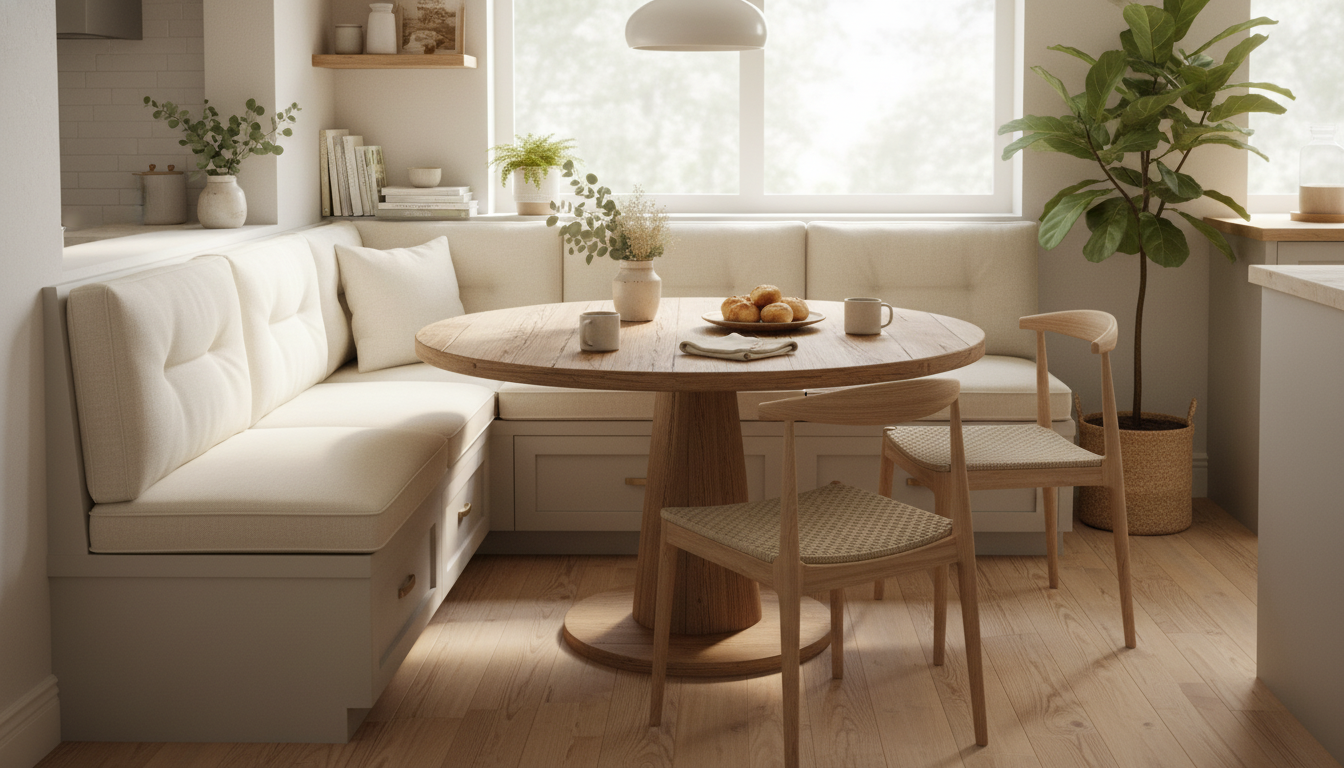
A well-planned breakfast nook turns an unused corner into a daily gathering spot—comfortable, space-smart, and easy to keep tidy. Banquette seating is the secret ingredient: it maximizes seats, adds built-in storage potential, and creates a “stay a little longer” feel for coffee, homework, and quick meals. The goal isn’t a showroom vignette; it’s a corner that works smoothly on busy weekdays and still feels special on slow weekends.
Why banquette seating works so well in breakfast nooks
Banquettes earn their keep because they solve multiple problems at once. They define the nook visually (especially in open layouts), they reduce the “chair shuffle” that eats up floor space, and they let more people sit comfortably along a wall or in a corner.
They’re also flexible: a built-in can look custom and polished, while a freestanding bench can be moved when life changes. If clutter tends to land on your table, banquettes can help there too—lift-up seats or drawers create a natural home for placemats, small appliances, and kid supplies.
Pick the right layout for the room you actually have
The best layout depends less on what looks cutest online and more on traffic flow, door swings, and who needs access to the table without climbing over anyone.
- Corner L-shape: A classic for bay windows and kitchen corners—cozy, efficient, and easy to style.
- Straight bench + chairs: Great for narrow kitchens because it keeps walkways cleaner while still creating a “nook” vibe.
- U-shape: Perfect for entertaining in larger spaces, but only if you confirm a clear entry path so it doesn’t feel like a booth trap.
- Floating banquette: Helpful when walls are limited; a low back preserves sightlines in open plans.
- Built-in vs. freestanding: Built-ins feel tailored and can hide storage; freestanding is renter-friendly and easy to rearrange.
Quick layout fit check
| Layout | Best for | Watch-outs |
|---|---|---|
| Corner L-shape | Small-to-medium corners, bay windows | Table size can overpower tight corners |
| Straight bench + chairs | Narrow rooms, galley kitchens | Bench depth must not block walkway |
| U-shape | Larger nooks, frequent hosting | Requires clearance for entry and serving |
| Floating banquette | Open plans with limited walls | Needs anchoring/stability so it doesn’t slide |
Sizing rules that keep it comfortable
Comfort comes from a few measurements that work together—seat height, seat depth, and table pairing. Get these right, and the nook feels effortless instead of cramped.
- Bench height: Aim for a seat height similar to dining chairs (typically around 17–19 inches), adjusting for cushion thickness.
- Bench depth: An 18–22 inch seat depth is a common comfort zone. Deeper seats usually need better back support and thicker cushions.
- Table height pairing: Standard dining-height tables typically work best; make sure there’s enough knee clearance between the seat and tabletop.
- Clearance behind chairs (if used): Leave a comfortable pull-back zone so everyday traffic doesn’t snag on chair legs.
- Corner comfort: A corner wedge or back pillow prevents the corner seat from feeling like the “penalty spot.”
- Kid-proofing: Rounded edges, stable benches that won’t tip, and wipeable fabrics pay off fast in daily use.
For broader spacing guidance when planning a kitchen eating area, the National Kitchen & Bath Association’s planning resources can be a helpful reference point: https://nkba.org/.
Materials and finishes that survive real mornings
A breakfast nook sees crumbs, spills, backpacks, and the occasional craft project. Choosing durable finishes up front keeps the nook looking pulled together without constant babying.
When it’s time to wipe down seats and tabletops, choosing gentler everyday cleaners can help in a high-touch eating area; the EPA’s Safer Choice program is a practical starting point: https://www.epa.gov/saferchoice.
Lighting and power: the details that make it feel finished
In darker corners, a small wall sconce can add warmth and reduce shadows. For a quick overview of layering light (ambient, task, and accent), see the American Lighting Association’s basics: https://www.americanlightingassoc.com/lighting-basics/.
Storage upgrades that reduce clutter fast
Make it look intentional: styling that doesn’t get in the way
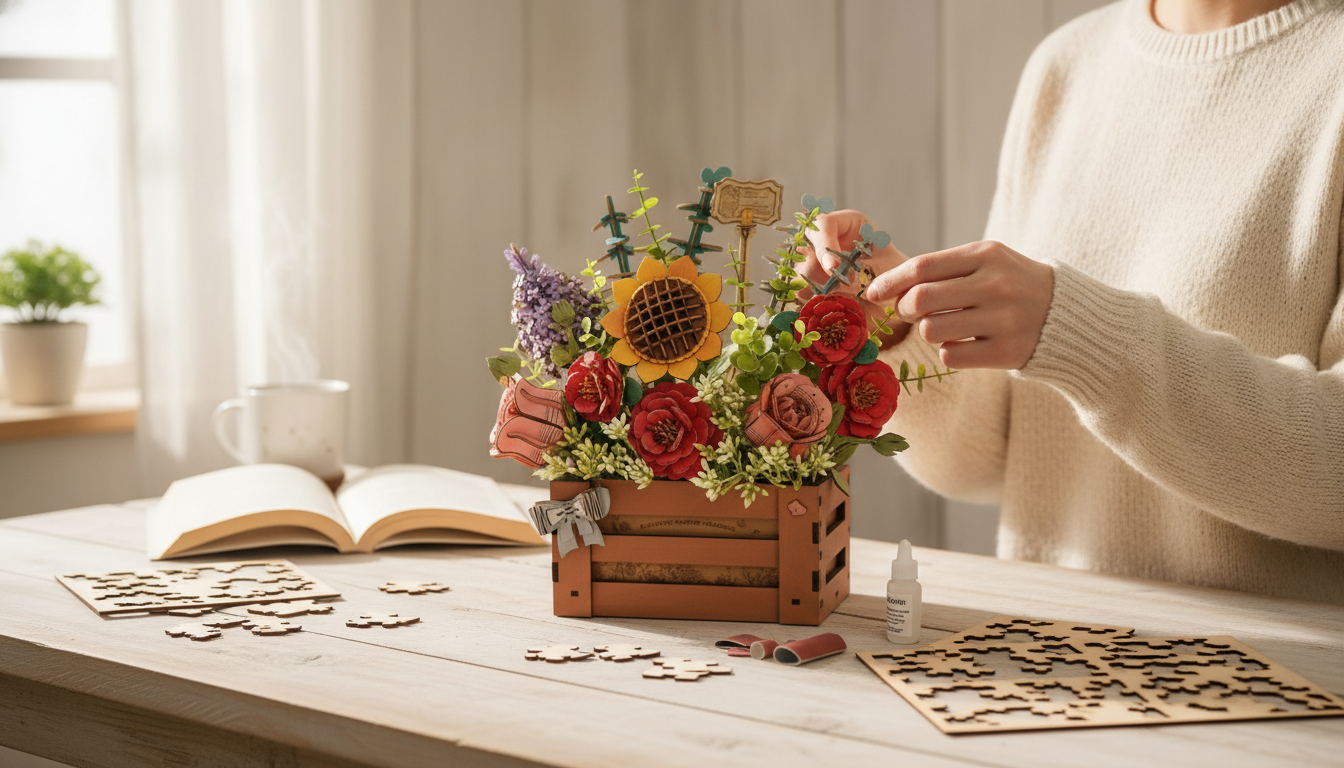
If you enjoy adding a handmade touch to shelves or a nearby ledge, a small buildable décor project like the DIY Wooden Bloom Box 3D Puzzle Kit can bring color to the nook area without taking up precious tabletop real estate.
A simple plan to build or refresh a nook in a weekend
Bring the idea home
For a ready-to-follow, step-by-step approach to planning the layout, comfort details, and finishing touches, use: The Cozy Corner That Changes Mornings: Ultimate Breakfast Nook with Banquette Seating Guide. Keeping the first version simple—correct sizing, comfortable seating, and easy-clean materials—matters more than perfectly matched decor. The best nook is the one that stays clear enough to enjoy every morning.
FAQ
How much space is needed for a breakfast nook with banquette seating?
Space needs depend on your layout and table size, but comfort comes from leaving enough clearance for sitting and a smooth walkway. Measure door swings and traffic paths first, then choose an L or U shape only if people can enter and exit without squeezing past the table edge.
What table shape works best with a corner banquette?
Round or oval tables often feel easiest in tight corners because there are no sharp edges to bump into and movement stays kid-friendly. Rectangular tables maximize surface area, but they need careful sizing so the corner seat and entry path don’t feel crowded.
What are the easiest upholstery choices for families and spills?
Performance fabrics, indoor/outdoor textiles, and wipeable leather-like materials handle daily messes with less stress. Removable, washable covers plus darker or patterned fabrics help hide wear, and high-density foam cushions resist sagging over time.






Leave a comment