Stoneware Plates & Bowls: Pros, Cons, and Tips
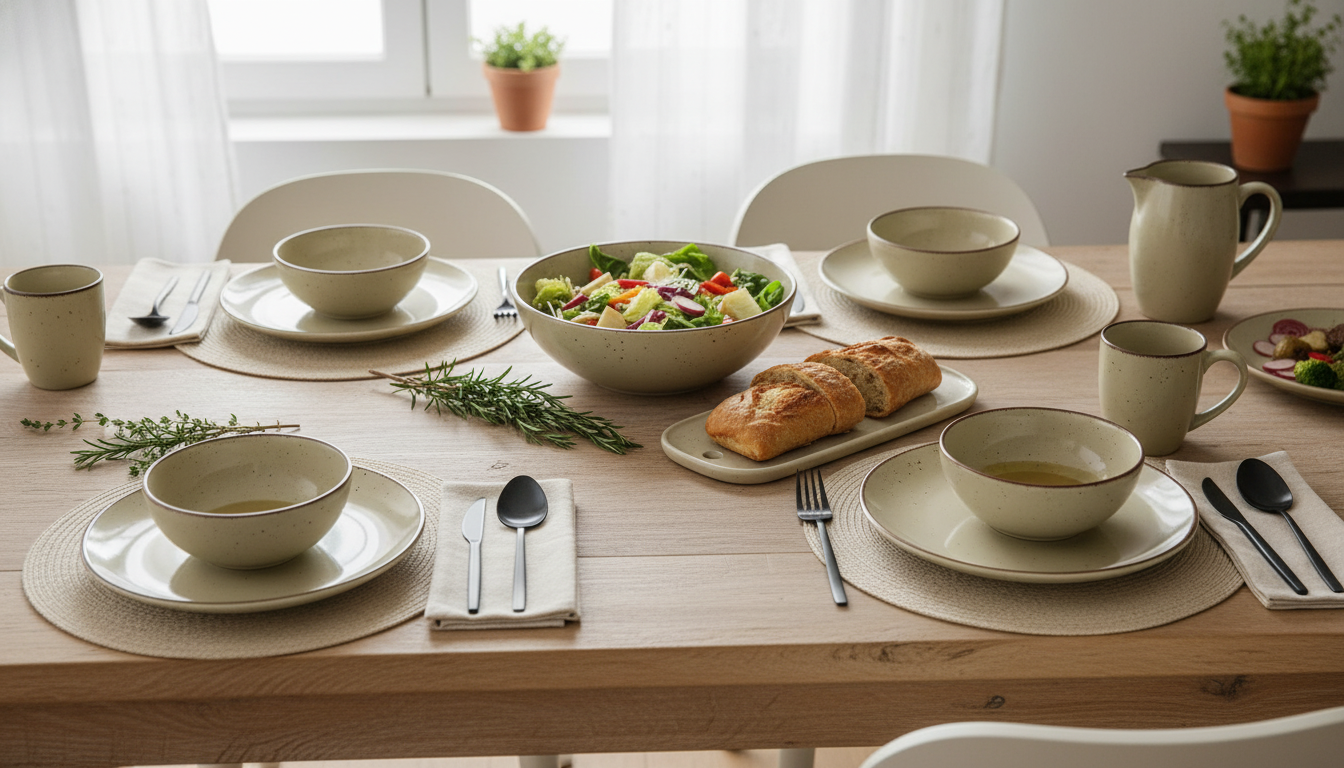
Is stoneware good for plates and bowls?
Yes—stoneware is a strong, practical choice for everyday plates and bowls, especially if you want something sturdier than porcelain while still looking elevated on the table. Because stoneware is fired at high temperatures, it becomes dense and durable, making it well-suited for daily meals, family dinners, and casual entertaining.
Most stoneware dinnerware holds up well to regular use, but performance depends on the specific set. Well-made stoneware typically resists scratches from everyday flatware and feels satisfyingly substantial in the hand. Bowls in stoneware are especially popular because the weight helps them stay put on the table and the thicker walls can help keep food warm a bit longer.
Pros of stoneware dinnerware
Durability: Stoneware is generally chip-resistant compared with lighter ceramics, making it a smart pick for busy kitchens.
Versatile style: It comes in modern matte finishes, glossy glazes, rustic speckles, and handcrafted looks that work across décor styles.
Everyday convenience: Many sets are microwave- and dishwasher-safe, which is ideal for quick reheats and easy cleanup (always confirm with the manufacturer).
Potential downsides to know
Chipping can still happen: Like any ceramic, stoneware can chip if knocked against a sink, countertop edge, or another plate.
Heavier than some alternatives: If lightweight dishes are a priority, stoneware may feel bulky in large stacks or upper cabinets.
Glaze matters: A high-quality glaze helps resist staining and utensil marks. Reactive or matte glazes can show marks more easily depending on the finish.
How to choose a good stoneware set
Look for even glazing, smooth rims, and a consistent feel across pieces. If you’re comparing piece counts or deciding between 16-, 32-, or 48-piece sets, see the full breakdown here: Stoneware dinnerware sets explained (16/32/48 pieces).
FAQ
What is the difference between stoneware and porcelain dinnerware?
Porcelain is typically lighter and more refined, while stoneware is usually thicker, heavier, and often has a more casual, artisanal look. Both can be durable, but they feel and wear differently depending on glaze and build quality.








Leave a comment