3D Insect Puzzle Kit Age Guide: Kids, Teens & Adults
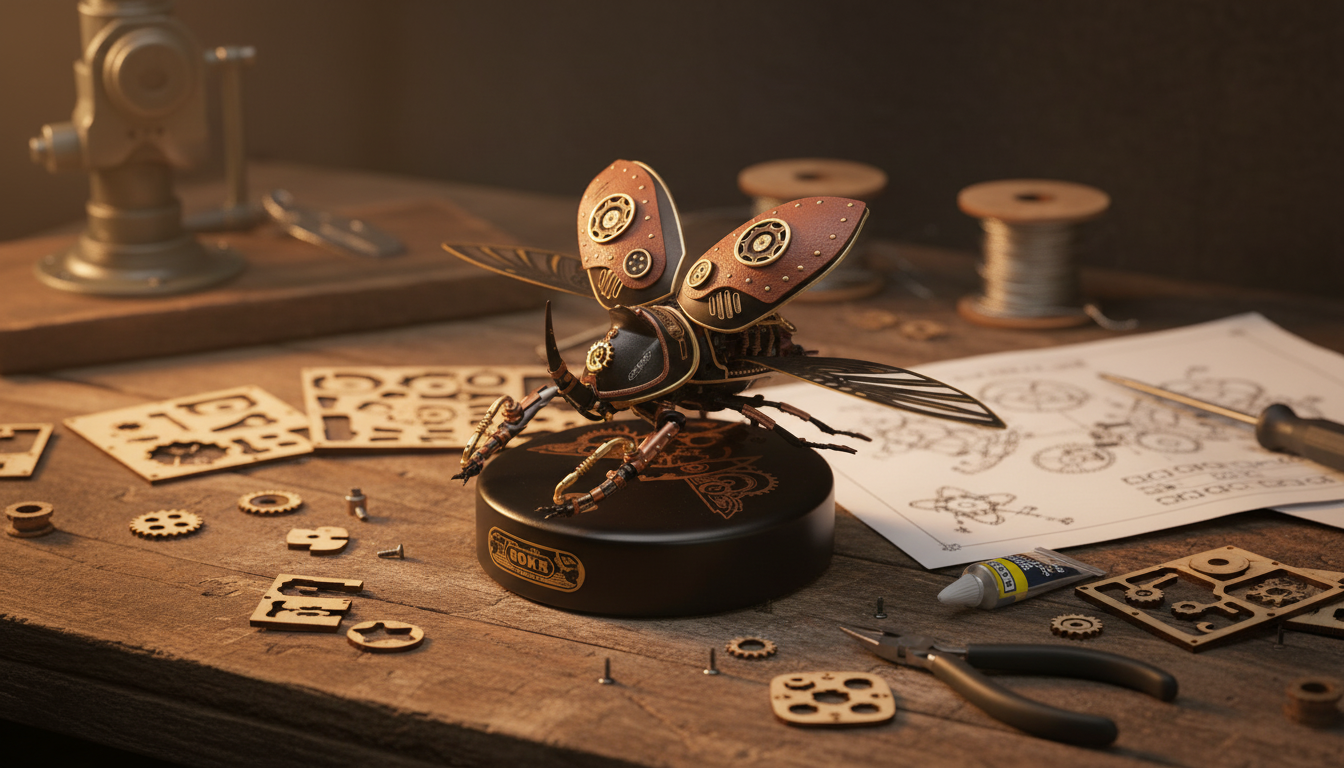
What age range is a 3D insect puzzle kit suitable for?
Answer
Most 3D insect puzzle kits work best for kids roughly ages 8 and up, with teens and adults enjoying them just as much. The right fit depends less on age alone and more on the kit’s part count, build complexity, and whether it requires tools or strong fine-motor control. If a kit includes many tiny pieces or intricate joints, it typically suits older kids (10–12+) or anyone who’s comfortable following multi-step diagrams.
For younger builders (around 6–8), look for insect models with larger parts, fewer steps, and simpler connectors—ideally something that can be assembled with gentle pressure rather than precise alignment. Adult supervision can also make a “slightly older” kit workable for a motivated younger child, especially when the project is framed as a shared build-and-display activity.
For ages 12+ and adults, higher-detail kits are often the most satisfying. These usually offer more realistic anatomy, layered structures (like wings and segmented bodies), and sturdier display results—great for STEM learning, collection shelves, or desk décor.
For a practical breakdown of what to expect from different kit styles—hands-on building, difficulty cues, and display tips—see the full guide here: 3D insect puzzle kit guide.
For 3D Insect Puzzle Kit Age Guide: Kids, Teens & Adults, the best answer depends on fit, material, care instructions, and how the product will be used day to day.
Checking those details first helps avoid a poor match and keeps the choice practical after delivery.
For 3D Insect Puzzle Kit Age Guide: Kids, Teens & Adults, the best answer depends on fit, material, care instructions, and how the product will be used day to day.
FAQ
How long does it usually take to build a 3D insect puzzle kit?
Build time varies by complexity, but many kits take about 30–90 minutes for simpler models and 2–4 hours (or more) for high-piece-count builds. Going slowly to align parts cleanly usually improves the final display.









Leave a comment